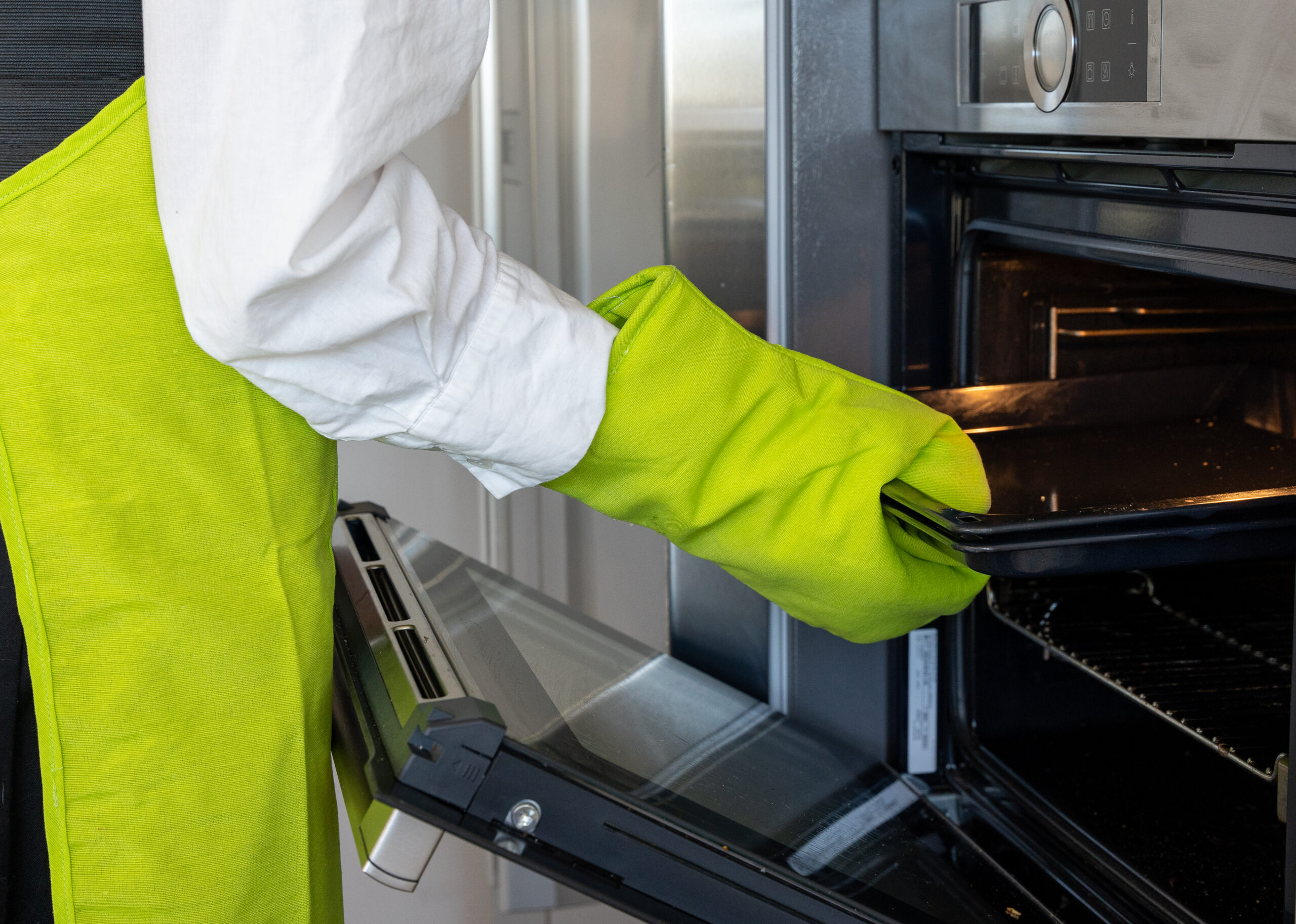
Oven Cleaning is one of those household tasks that sits firmly in the “I’ll get to it eventually” category, right alongside sorting the loft, organising paperwork, and figuring out what that one mysterious kitchen drawer is actually for. Yet your oven is one of the hardest-working appliances in your home, quietly handling everything from midweek jacket potatoes to ambitious Sunday roasts.

In UK households, ovens are used daily, year-round. And while they’re designed to withstand high temperatures, grease build-up, burnt-on food, and lingering smells can seriously affect performance, safety, and even your energy bills. Yes, a dirty oven can cost you more than just your patience.
Why Oven Cleaning Matters More Than You Think?
A dirty oven isn’t just unsightly; it can cause a whole host of practical problems. Grease and food residue act as insulators, forcing your oven to work harder to reach and maintain a temperature. This means:
- Longer cooking times
- Higher energy consumption
- Uneven cooking results
- Smoke and unpleasant smells
- Increased fire risk
In the UK, where energy prices have been a hot topic in recent years, keeping appliances efficient isn’t just sensible, it’s essential.
How Often Should You Clean Your Oven?
This is one of the most common questions UK homeowners ask, and the answer depends on how often you cook.
Light Use (1–2 times a week)
- Quick wipe after spills
- Deep clean every 6 months
Regular Use (Most UK households)
- Monthly light clean
- Deep clean every 3 months
Heavy Use (Families, keen cooks, bakers)
- Weekly wipe-down
- Professional or deep clean every 2–3 months
If you wait until smoke alarms are involved, you’ve waited too long.
The Hidden Costs of Ignoring Oven Cleaning
Leaving your oven dirty doesn’t just affect food quality. Over time, grease can damage heating elements, door seals, and fans. Repairs and replacements are far more expensive than preventative cleaning.
And let’s not forget:
- Food tasting vaguely of last week’s lasagne
- Embarrassment when guests arrive, and you open the oven
- That permanent smoky haze every time you preheat
All avoidable.
Daily and Weekly Oven Cleaning Habits
You don’t need a hazmat suit every time you clean your oven. Small, regular habits make a huge difference.
1. Wipe Spills Immediately
Once the oven has cooled, wipe up spills before they harden into something resembling volcanic rock.
2. Use Baking Trays and Oven Liners
They catch drips and crumbs, saving your oven base from becoming a crime scene.
3. Leave the Door Open After Cleaning
Moisture builds up if the oven is sealed too soon, encouraging odours and residue.
DIY Oven Cleaning: What Works and What Doesn’t?
There’s no shortage of home remedies for oven cleaning, but not all are created equal.
Tried-and-Tested Methods
1. Baking Soda and Vinegar
Effective for mild to moderate grease. Apply a paste, leave overnight, and wipe away.
2. Lemon Steam Cleaning
Good for freshening and light residue, not heavy build-up.
Methods to Avoid
- Excessive scrubbing with wire wool (damages enamel)
- Mixing harsh chemicals
- Ignoring manufacturer instructions
DIY cleaning is fine, until it isn’t.
The Truth About Self-Cleaning Ovens
Many UK ovens come with pyrolytic or catalytic cleaning features. While helpful, they’re not a magic solution.
Pyrolytic Ovens
Burn residue at extremely high temperatures. Effective, but energy-intensive and not suitable for frequent use.
Catalytic Liners
Absorb grease gradually, but still need regular maintenance.
Self-cleaning doesn’t mean cleaning. Think of it as help, not a replacement.
When to Call a Professional Oven Cleaner?
Sometimes, it’s best to hand things over to an expert, especially if:
- The oven hasn’t been cleaned in years
- Smoke appears during preheating
- There’s stubborn carbon build-up
- You’re preparing for an end-of-tenancy clean
Professional oven cleaning services use specialist, non-toxic products and dismantle removable parts for a deeper clean. It’s quicker, safer, and far less stressful.
End-of-Tenancy Oven Cleaning: A UK Essential
If you’re renting in the UK, oven cleanliness can make or break your deposit return. Most landlords expect ovens to be returned in a “professionally clean” condition.
Trying to tackle a heavily used oven the night before inspection rarely ends well. Booking a professional service can save money, time, and a lot of panic.
Seasonal Oven Cleaning Tips
1. Spring
Perfect for a deep clean, windows open, fresh start vibes.
2. Summer
Less oven use, but grease can smell more in warmer weather.
3. Autumn
Prepping for heavier cooking and holiday baking.
4. Winter
Keep on top of spills during peak cooking season.
A little planning goes a long way.
How a Clean Oven Improves Energy Efficiency?
A clean oven heats faster, cooks evenly, and uses less energy. In a typical UK household, this can mean noticeable savings over the year.
It’s also kinder to the environment, with fewer wasted watts, fewer replacement parts, and less chemical use overall.
Common Oven Cleaning Mistakes to Avoid
- Using abrasive pads
- Forgetting the door glass
- Ignoring the fan and vents
- Leaving cleaning products residue behind
A clean oven should never smell like cleaning chemicals when it’s hot.
How The Household Daily Can Help?
At The Household Daily, we understand that not everyone has the time, tools, or patience to tackle oven cleaning properly. That’s why we provide oven cleaning professionals.
Whether you’re:
- Preparing for guests
- Moving house
- Fed up with smoke and smells
- Or simply want your oven working efficiently again
We can help you find the right expert for the job.
Final Thoughts: A Cleaner Oven, A Happier Kitchen
Oven cleaning doesn’t have to be dreaded, delayed, or avoided. With regular care, smart habits, and the occasional professional clean, your oven can stay efficient, safe, and pleasant to use all year round.
And let’s be honest, cooking is far more enjoyable when your oven doesn’t remind you of meals past.
If your oven could use a fresh start, The Household Daily is here to point you in the right direction, because some jobs are better left to the experts.