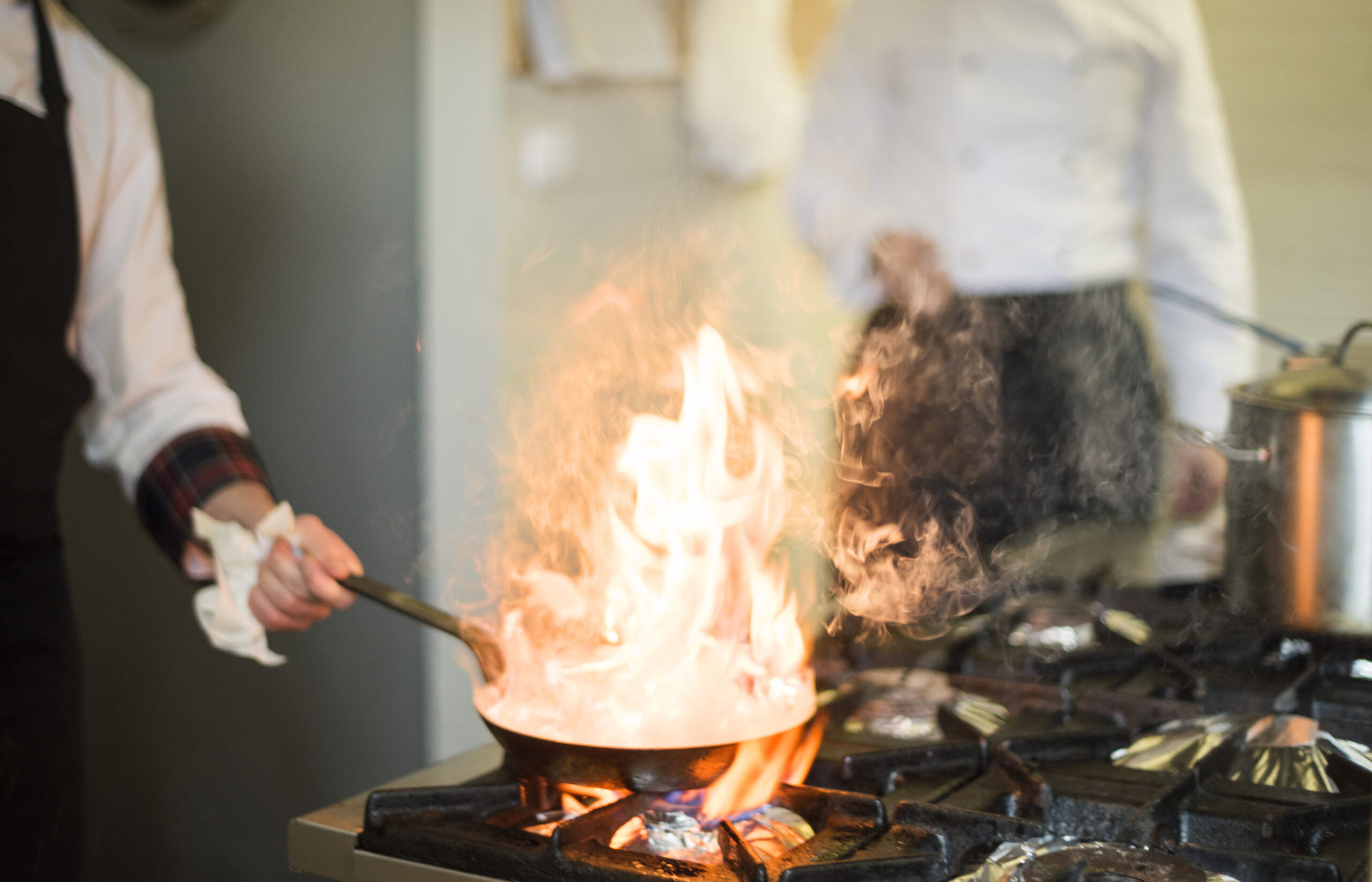
Winter Cooking Makes Kitchen Grease Harder to Remove, and if your kitchen surfaces suddenly feel tackier than usual, you’re not imagining things. As the temperature drops and we retreat indoors, our cooking habits change, and so does the behaviour of grease. Dishes get richer, ovens work overtime, and ventilation quietly gives up the fight. The result? A kitchen that seems to collect grime faster and cling to it like it’s found a forever home.

This isn’t just bad luck or laziness creeping in during colder months. There is actual science, environment, and habit behind why winter grease is tougher, stickier, and far more stubborn than its summer counterpart. Once you understand why, cleaning becomes less of a battle and more of a strategy.
Why Winter Changes How Grease Behaves?
Grease is a funny thing. Warm, it flows. Cold, it clings. And winter provides exactly the conditions grease loves most.
Lower Temperatures Make Grease Solidify
In warmer months, grease stays semi-liquid for longer. It’s easier to wipe away before it fully settles. In winter, cooler kitchen temperatures cause grease particles to:
- Thicken quickly
- Solidify on contact
- Bond more firmly to surfaces
That thin film you’d usually wipe off with a cloth suddenly turns into a stubborn, sticky layer that resists casual cleaning.
Winter Cooking Habits Create More Grease Than You Realise
Winter meals are comforting, and comfort food is rarely light.
Richer, Greasier Foods Dominate
Cold-weather cooking tends to involve:
- Frying
- Roasting
- Slow-cooked stews
- Butter, oils, and ghee
- Cream-based sauces
These cooking methods release more airborne grease. Tiny particles travel beyond your hob, settling on cupboards, tiles, extractor fans, and even walls.
In summer, lighter meals and more cold food naturally reduce grease production. Winter does the opposite.
Reduced Ventilation: The Silent Grease Trap
One of the biggest reasons winter grease is harder to remove? We stop letting fresh air in.
Why Ventilation Drops in Winter?
- Windows stay shut to keep heat in
- Extractor fans are used less (noise + cold air concerns)
- Doors remain closed to preserve warmth
Without airflow, grease particles hang in the air longer, eventually settling everywhere, and once they cool, they stick.
Poor ventilation doesn’t just make grease worse; it helps it spread.
Cold Surfaces Make Grease Stick Like Glue
Kitchen surfaces are colder in winter, especially tiles, splashbacks, and metal appliances.
What Happens When Grease Hits Cold Surfaces?
When warm grease meets a cold surface:
- It cools instantly
- It solidifies on contact
- It bonds more tightly
This is why winter grease often feels harder, waxier, and more resistant than grease you’d tackle in warmer months.
Why Cupboards Get So Much Worse in Winter?
Ever noticed sticky cupboard doors creeping up on you by February?
The Combination Problem
Cupboards suffer because:
- They’re rarely cleaned daily
- Grease particles float upward
- Warm air rises, carrying grease with it
Over time, grease layers mix with dust, creating a grimy film that’s far tougher than grease alone. In winter, this mixture hardens faster and becomes a cleaning nightmare if ignored.
Extractor Fans Struggle More in Winter
Extractor fans are meant to be your kitchen’s first line of defence, but winter puts them under pressure.
Why Extractors Lose Effectiveness?
- Filters clog faster due to heavier cooking
- Cold air discourages consistent use
- Grease thickens before extraction
Once extractor filters are coated, they stop capturing grease efficiently. Instead of being removed, grease is redistributed.
Cleaning extractor filters regularly in winter isn’t optional; it’s essential.
Winter Grease Loves Certain Kitchen Areas Most
Some surfaces attract grease like magnets, especially during colder months.
High-Risk Areas
- Hob surrounds
- Splashbacks
- Cooker hoods
- Cupboard handles
- Fridge tops
- Light switches near cooking areas
These spots combine warmth, touch, and airflow patterns, perfect conditions for grease buildup.
Why Leaving Grease “For Later” Is Worse in Winter?
In summer, you might get away with postponing cleaning. In winter, delay comes at a cost.
What Happens When Grease Sits?
- It hardens
- It attracts dust
- It bonds chemically with surfaces
That quick wipe you skipped becomes a scrubbing session later. Winter grease doesn’t forgive procrastination.
Cleaning Products Behave Differently in Cold Kitchens
Surprisingly, cleaning products themselves are affected by winter temperatures.
Why Your Cleaner Might Feel Less Effective?
- Cold surfaces reduce product activation
- Grease remains solid, resisting breakdown
- Shorter drying times aren’t guaranteed
This can make even good-quality degreasers seem ineffective unless used correctly.
The Right Way to Tackle Winter Kitchen Grease
Cleaning winter grease requires a slightly different approach.
Warmth Is Your Secret Weapon
- Use warm (not boiling) water
- Let cleaning products sit longer
- Wipe gently but thoroughly
Warmth helps soften grease before removal, making cleaning far more effective.
Daily Maintenance: Small Habits That Make a Big Difference
You don’t need to deep-clean daily, but a few winter habits help enormously.
Easy Winter Kitchen Habits
- Wipe splashbacks after cooking
- Clean hob edges once cooled
- Run extractor fans during and after cooking
- Open a window briefly, even in winter
Five minutes a day can save hours later.
Why Winter Grease Is Tougher on Modern Kitchens?
Modern kitchens look sleek, but they’re not always grease-friendly.
High-Gloss Surfaces and Stainless Steel
These materials:
- Show grease more easily
- Hold onto fingerprints
- Require specific cleaning methods
In winter, grease appears duller but sticks more firmly, making marks harder to remove without streaking.
Hard Water Makes Winter Grease Worse
Many UK homes deal with hard water, and winter amplifies the issue.
The Grease–Mineral Combo
When grease mixes with mineral residue:
- It becomes chalky
- It resists regular cleaners
- It leaves streaks
This combination often requires professional-grade solutions to fully remove.
When DIY Isn’t Enough: Why Professional Cleaning Helps in Winter?
There’s a point where elbow grease alone won’t cut it.
What Professionals Do Differently?
Professional kitchen cleaners:
- Use commercial-grade degreasers
- Apply heat-assisted cleaning methods
- Clean extractor systems thoroughly
- Reach areas often missed
Winter grease responds far better to expert treatment, especially when buildup has been allowed to harden.
Why Booking Professionals from The Household Daily Makes Sense?
Winter kitchen grease doesn’t just affect appearance; it impacts hygiene and air quality, too. The Household Daily’s professional kitchen cleaning services are designed to tackle stubborn winter grease safely and efficiently. Our experts understand how cold temperatures change grease behaviour and use specialised tools and products to break down buildup without damaging surfaces. Booking professionals saves time, prevents long-term damage, and restores your kitchen to a truly clean, fresh state, without the endless scrubbing sessions that winter grease seems to demand.
The Health Side of Winter Grease
Beyond looks, winter grease affects indoor environments.
Why It Matters?
- Grease traps bacteria
- It attracts dust and allergens
- It contributes to stale kitchen air
Keeping grease under control improves both cleanliness and comfort, especially when homes are sealed up for warmth.
Winter-Proofing Your Kitchen Cleaning Routine
Think of winter cleaning as prevention, not punishment.
Smart Adjustments
- Increase cleaning frequency slightly
- Focus on high-grease zones
- Maintain extractor fans
- Schedule professional cleans seasonally
These small changes keep winter grease manageable.
Final Thoughts!
Winter Cooking Makes Kitchen Grease Harder to Remove because cold temperatures, heavier meals, and reduced ventilation create the perfect storm for stubborn buildup. The good news? Once you understand the cause, you can clean smarter, not harder.
At The Household Daily, we believe seasonal home care should adapt to real life. Winter kitchens work harder, so they need a bit more attention. Whether you tweak your routine or call in the professionals, staying ahead of winter grease means your kitchen stays welcoming, even when it’s doing its hardest work.
And if nothing else, remember: it’s not that your kitchen’s suddenly messier. Winter grease is just playing a very sticky game.