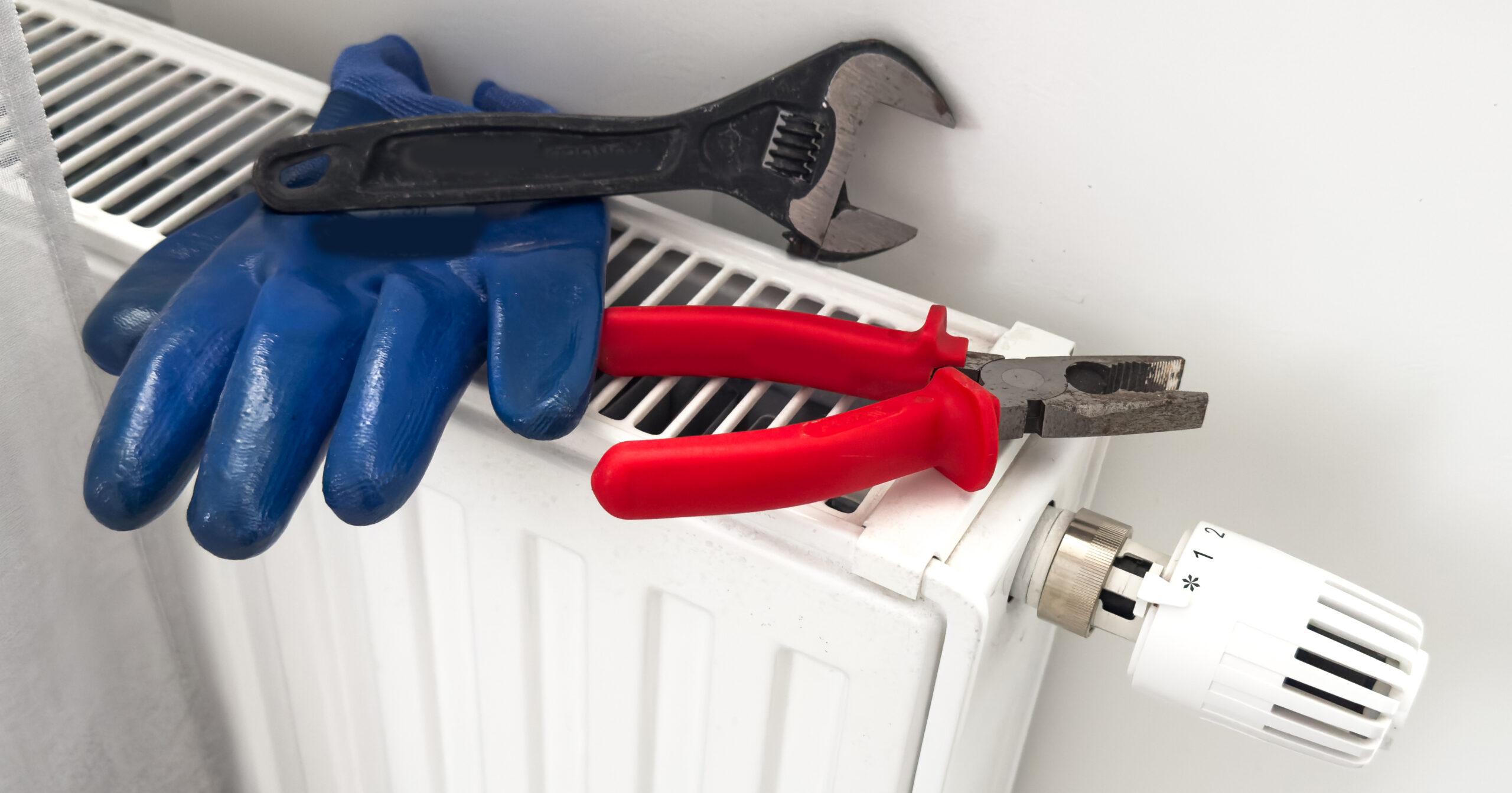
Radiator Bleeding is one of those small household maintenance tasks that sounds far more dramatic than it actually is. Despite the slightly alarming name, bleeding a radiator means releasing trapped air from your heating system so that hot water can circulate properly. For many UK households, this quick fix can transform a lukewarm radiator into a cosy heat source within minutes.

Yet many homeowners pause before attempting it. Is radiator bleeding something you can safely do yourself, or should you call a professional? And if you do bring in a specialist, what might the heating engineer cost UK homeowners typically pay?
This guide explains everything you need to know about radiator bleeding, from spotting the signs of trapped air to gathering the right tools and understanding when professional help is the safer option.
Why Radiators Sometimes Need Bleeding?
Central heating systems rely on hot water circulating through pipes and radiators. Over time, small pockets of air can become trapped inside the radiators themselves.
Air bubbles interrupt the smooth flow of hot water, meaning the radiator cannot heat evenly. When this happens, parts of the radiator remain cold while other areas warm up.
This is why many people notice that their radiator feels:
- Hot at the bottom but cold at the top
- Warm on one side but cool on the other
- Generally slower to heat than the rest of the system
These symptoms usually indicate trapped air.
Bleeding the radiator releases this air and allows the hot water to circulate fully again.
Signs Your Radiator Needs Bleeding
Before reaching for tools, it helps to confirm that trapped air is actually the problem.
Here are some of the most common warning signs.
1. Cold Patches at the Top
A radiator that heats at the bottom but remains cool near the top is the classic sign of trapped air.
Since air rises, it collects at the highest point inside the radiator and blocks hot water from filling the entire unit.
2. Gurgling or Bubbling Sounds
If your heating system sounds like it’s trying to brew tea rather than warm your home, trapped air could be the culprit.
Bubbling noises occur when water pushes past pockets of air in the pipes or radiators.
3. Radiators Taking Longer to Heat
A radiator that previously warmed quickly but now takes far longer to heat may simply need bleeding.
The air inside slows down water circulation and reduces efficiency.
4. Higher Energy Bills
When radiators aren’t heating properly, homeowners often turn the thermostat up. The boiler then works harder to compensate, increasing energy usage.
Bleeding the radiator can restore efficiency and reduce unnecessary heating costs.
The Tools You Need to Bleed a Radiator
The good news is that bleeding a radiator requires very little equipment.
In most cases, you only need three simple items.
1. Radiator Key
A radiator key is a small metal tool designed to open the bleed valve on most UK radiators. They are inexpensive and widely available from hardware shops.
2. Cloth or Towel
A towel or cloth catches small amounts of water that may escape when the valve opens.
3. Small Container
A bowl or cup can help collect any dripping water and prevent mess.
Some modern radiators use a flathead screw instead of a radiator key, so a simple screwdriver may work in those cases.
Step-by-Step Guide to Bleeding a Radiator
If the signs point to trapped air, bleeding a radiator is usually straightforward.
Here’s how the process works.
Step 1: Turn Off the Heating
Before starting, switch off your central heating system and allow the radiators to cool slightly.
This prevents hot water from spraying out when the valve opens.
Step 2: Locate the Bleed Valve
The bleed valve is typically found at the top corner of the radiator. It looks like a small square or slotted screw.
Step 3: Insert the Radiator Key
Place the radiator key into the valve and turn it slowly anticlockwise.
You should hear a gentle hissing sound as trapped air escapes.
Step 4: Wait for Water to Appear
Once the air is released, water will begin to trickle out. This means the radiator is full again.
Step 5: Close the Valve
Turn the key clockwise to close the valve firmly, but don’t overtighten it.
Step 6: Check Boiler Pressure
After bleeding several radiators, the boiler pressure may drop slightly. If needed, top it up according to the boiler’s instructions.
Once complete, turn the heating back on and check if the radiator now warms evenly.
How Often Should Radiators Be Bled?
Radiators generally don’t need frequent bleeding, but most households benefit from doing it once or twice a year.
The best times are:
- At the beginning of autumn before heating season
- Mid-winter if radiators feel uneven
Regular checks help maintain heating efficiency and prevent unnecessary strain on the boiler.
When Radiator Bleeding Becomes a DIY Win?
For many homeowners, radiator bleeding is a perfect beginner-level maintenance task.
It’s safe to handle yourself if:
- Only one or two radiators feel cool at the top
- The system pressure remains stable
- No leaks are visible
- The boiler is functioning normally
In these cases, the job takes around five minutes per radiator and can significantly improve heating performance.
It’s one of the few household fixes that is both simple and genuinely satisfying.
Few things feel more productive than restoring warmth to a stubborn radiator with a tool the size of a small biscuit.
When It’s Safer to Call a Heating Engineer?
While radiator bleeding is often simple, there are situations where professional help is the smarter choice.
1. Persistent Cold Radiators
If bleeding doesn’t fix the issue, the problem may involve sludge buildup, circulation faults, or valve problems.
These require specialist inspection.
2. Frequent Air Build-Up
If radiators need bleeding repeatedly, air may be entering the system through a leak or faulty component.
A heating engineer can diagnose the root cause.
3. Leaking Valves
Water leaking from the bleed valve or radiator joints suggests worn seals or internal corrosion.
These issues should be handled by a professional.
4. Boiler Pressure Problems
If system pressure repeatedly drops after bleeding radiators, there may be a fault in the boiler or expansion vessel.
Professional inspection prevents further damage.
Heating Engineer Cost UK: What Homeowners Should Expect
When DIY solutions aren’t enough, a qualified engineer can safely diagnose and repair heating issues.
The heating engineer cost UK homeowners pay varies depending on the service required.
Typical price ranges include:
Basic call-out fee:
£60 – £100
Hourly labour:
£70 – £120 per hour
Radiator system balancing or flushing:
£150 – £400 depending on system size
More complex issues involving pumps, valves, or boiler faults can cost more.
While professional services carry a price tag, they often prevent larger repair bills later.
Choosing a Qualified Heating Professional
When hiring a professional for radiator or boiler work, it’s essential to choose someone properly certified.
In the UK, engineers working with gas heating systems must be registered with the Gas Safe Register.
This certification ensures the engineer is legally qualified to work with gas appliances and heating systems.
Always ask to see the engineer’s Gas Safe ID card before work begins.
Preventing Air Build-Up in Your Heating System
While occasional air pockets are normal, certain habits help minimise future issues.
Helpful practices include:
- Running the heating system regularly during colder months
- Maintaining correct boiler pressure
- Scheduling annual boiler servicing
- Checking for visible leaks around valves or pipes
Keeping the heating system healthy reduces the likelihood of recurring air problems.
Radiator Maintenance Beyond Bleeding
Bleeding radiators is only one part of maintaining an efficient heating system.
Other useful checks include:
1. Radiator Balancing
If some rooms heat faster than others, the system may need balancing to distribute hot water evenly.
2. Power Flushing
Older systems sometimes accumulate sludge that blocks circulation.
Professional power flushing removes debris and improves heating efficiency.
3. Thermostatic Valve Checks
Faulty thermostatic radiator valves can prevent proper heating control.
Replacing them can restore performance and improve energy efficiency.
The Comfort Payoff of a Well-Maintained Heating System
A properly functioning heating system delivers more than just warmth.
It also provides:
- Better energy efficiency
- Lower heating bills
- More consistent room temperatures
- Reduced strain on the boiler
Bleeding radiators is one of the simplest ways to maintain this comfort.
And while the task might sound dramatic, the reality is refreshingly straightforward.
Final Thoughts!
Radiator Bleeding is one of those small household tasks that can make a surprisingly big difference to comfort and efficiency. With just a radiator key and a few minutes of effort, many homeowners can restore proper heating circulation and eliminate cold spots. However, when problems persist or more complex issues arise, calling a professional is the safer route, even if the cost of a UK heating engineer adds a little to the maintenance budget. Keeping your heating system healthy ensures warmth when you need it most. For more practical home care advice, remember to follow The Household Daily.