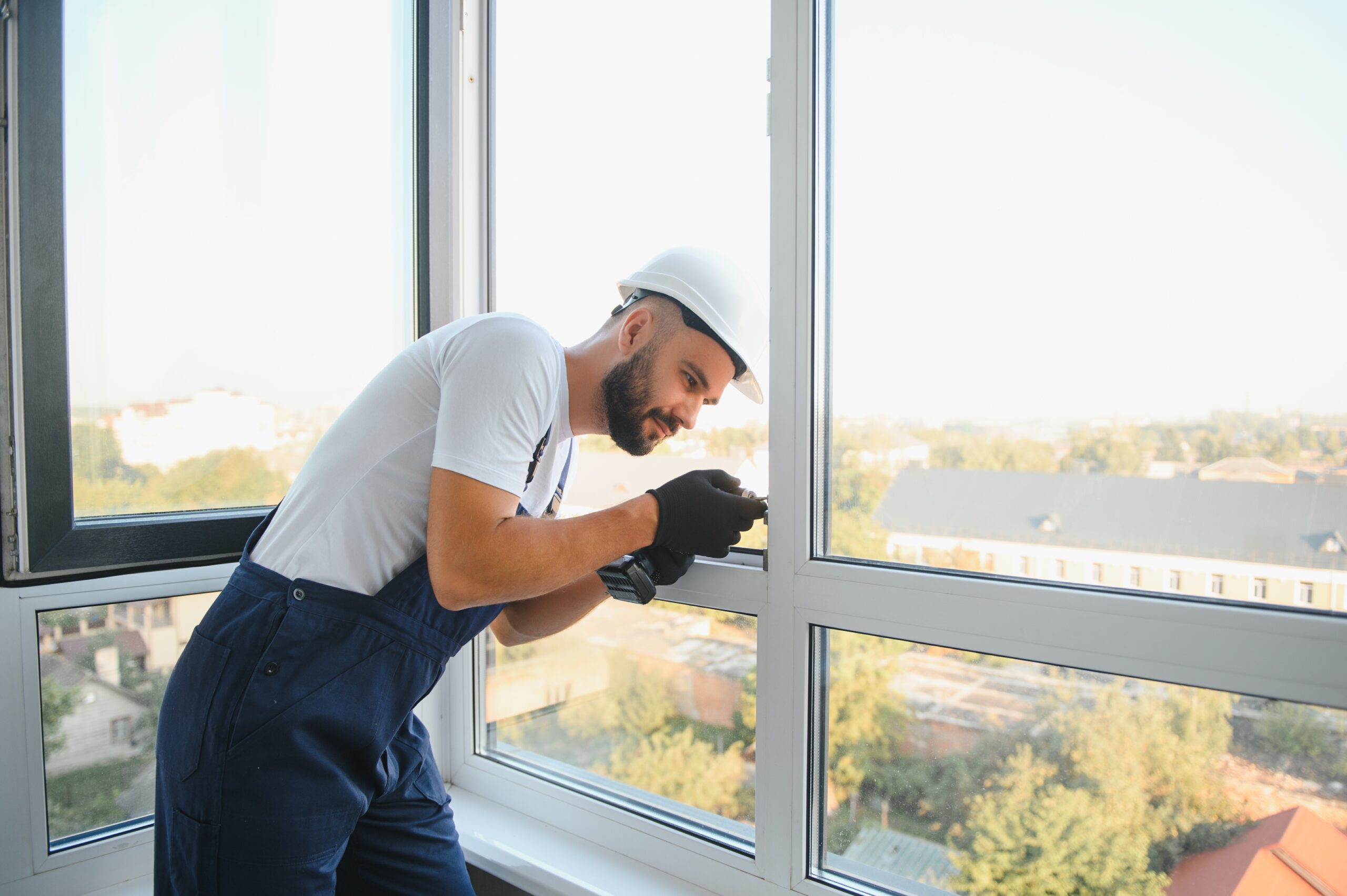
Window Replacement vs Repair is one of those classic homeowner dilemmas that tends to surface at the most inconvenient moment, usually when you’re feeling a chilly draught mid-winter or noticing your energy bills creeping up despite your best efforts. At first glance, repairing a window seems like the obvious budget-friendly choice, while replacing it sounds like a bigger, more expensive undertaking. But as with most things in home maintenance, the cheapest option upfront isn’t always the most cost-effective in the long run.

In UK homes, where weather conditions range from damp and drizzly to unexpectedly icy, windows play a crucial role in insulation, comfort, and energy efficiency. Whether you live in a period property with charming sash windows or a newer build with double glazing, understanding when to repair and when to replace can save you a fair bit of money, and perhaps a few arguments with your heating system.
Let’s take a closer look at the factors that truly matter, from costs and glazing types to lifespan and energy efficiency.
Why Windows Matter More Than You Think?
Windows do far more than provide light and a view of the neighbour’s garden. They are a key part of your home’s thermal envelope.
Poor windows can lead to:
- Heat loss (up to 25–30% in some homes)
- Draughts and uneven temperatures
- Condensation and mould issues
- Increased energy bills
In short, they can quietly drain your comfort and your wallet.
When Window Repair Makes Sense?
Repairing windows is often the most sensible first step, especially if the issues are minor.
Common Repairable Issues
- Broken or cracked glass panes
- Faulty hinges or handles
- Worn seals causing minor draughts
- Condensation between panes (in some cases)
- Rot in small sections of wooden frames
Cost Perspective
The average window repair cost UK can range from:
- £50–£150 for minor fixes
- £150–£300 for more involved repairs
Compared to full replacement, this is clearly the more affordable option—at least initially.
Lifespan of Repairs: The Key Consideration
Here’s where things get interesting.
A repair might fix the immediate problem, but how long will it last?
Typical Lifespan After Repair
- Minor fixes: 2–5 years
- Seal replacements: 5–10 years
- Frame repairs (wood): varies depending on condition
If your windows are already ageing, repairs can become a recurring expense, like repeatedly patching up an old coat instead of investing in a new one.
When Window Replacement Is the Better Option?
There comes a point where repairs simply aren’t enough.
Consider Replacement If:
- Windows are over 15–20 years old
- Frames are warped, rotting, or structurally compromised
- You experience persistent draughts despite repairs
- There’s significant condensation between panes
- Energy efficiency is noticeably poor
Replacement may feel like a bigger commitment, but it often delivers better long-term value.
Energy Efficiency Gains: Repair vs Replacement
One of the biggest advantages of replacing windows is improved energy efficiency.
Repaired Windows
- May reduce draughts
- Slight improvement in insulation
- Limited impact on overall energy performance
New Windows
- Modern double or triple glazing significantly reduces heat loss
- Improved seals eliminate draughts
- Potential reduction in heating bills
In many cases, replacing old single-glazed or early double-glazed windows can noticeably improve your home’s warmth—something your future winter self will appreciate.
Understanding Glazing Types
The type of glazing plays a major role in both cost and performance.
Single Glazing
- Found in older properties
- Poor insulation
- Often worth upgrading
Double Glazing
- Standard in most UK homes
- Two panes with air or gas between them
- Good balance of cost and efficiency
Triple Glazing
- Three panes for enhanced insulation
- Higher upfront cost
- Ideal for colder areas or noise reduction
Upgrading glazing during replacement can dramatically improve energy efficiency, something repairs alone can’t achieve.
Cost Comparison: Repair vs Replacement
Let’s break it down more clearly.
Repair Costs
- Lower upfront expense
- Suitable for minor issues
- May require repeated fixes
Replacement Costs
- £400–£1,200+ per window (depending on type and size)
- Higher initial investment
- Long-term savings on energy bills
While replacement is more expensive initially, it often proves more cost-effective over time, especially if your current windows are inefficient.
The Hidden Costs of Doing Nothing
It’s tempting to delay both repair and replacement, but ignoring window issues can lead to:
- Higher heating bills
- Increased damp and condensation problems
- Structural damage to surrounding areas
- Reduced property value
In other words, procrastination can be surprisingly expensive.
Aesthetic and Property Value Considerations
New windows can significantly improve your home’s appearance.
- Cleaner, more modern look
- Increased kerb appeal
- Better resale value
For period properties, careful restoration or sympathetic replacement can maintain character while improving performance.
Environmental Impact
Energy-efficient windows don’t just save money, they also reduce your carbon footprint.
- Lower energy consumption
- Reduced emissions
- More sustainable home
It’s a win for both your wallet and the planet.
DIY vs Professional Work
DIY Repairs
- Suitable for minor fixes
- Cost-effective
- Requires basic tools and knowledge
Professional Repairs or Replacement
- Recommended for complex issues
- Ensures proper installation
- Often includes warranties
Poor installation can undo the benefits of even the best windows, so it’s worth getting it right.
How to Decide: A Simple Checklist?
Ask yourself:
- Are the windows structurally sound?
- How old are they?
- Are repairs becoming frequent?
- Is energy efficiency a concern?
- What’s your budget?
If most answers point towards ongoing issues and inefficiency, replacement is likely the better investment.
A Quick Reality Check
Windows have a sneaky way of declining gradually, you don’t notice the draughts getting worse until you’re sitting indoors wearing a jumper and wondering if you’ve accidentally left a window open. By then, your windows are probably trying to tell you something.
Final Verdict: Repair or Replace?
- Choose repair for minor, isolated issues and relatively new windows
- Choose replacement for older, inefficient, or repeatedly problematic windows
The most cost-effective choice depends on your situation, but thinking long-term often leads to better results.
Concluding Thoughts!
Window Replacement vs Repair isn’t just about immediate costs, it’s about balancing short-term savings with long-term comfort, efficiency, and value. While repairs can extend the life of your windows, replacement offers a fresh start with improved performance and durability.
By considering energy efficiency gains, glazing types, and the lifespan of repairs, you can make a decision that suits both your home and your budget.
Because ultimately, a well-maintained window isn’t just a frame and glass, it’s your barrier against the elements, your source of natural light, and a key part of your home’s comfort. And if you’d like more practical advice like this, do follow The Household Daily for smart, reliable tips to keep your home running smoothly.