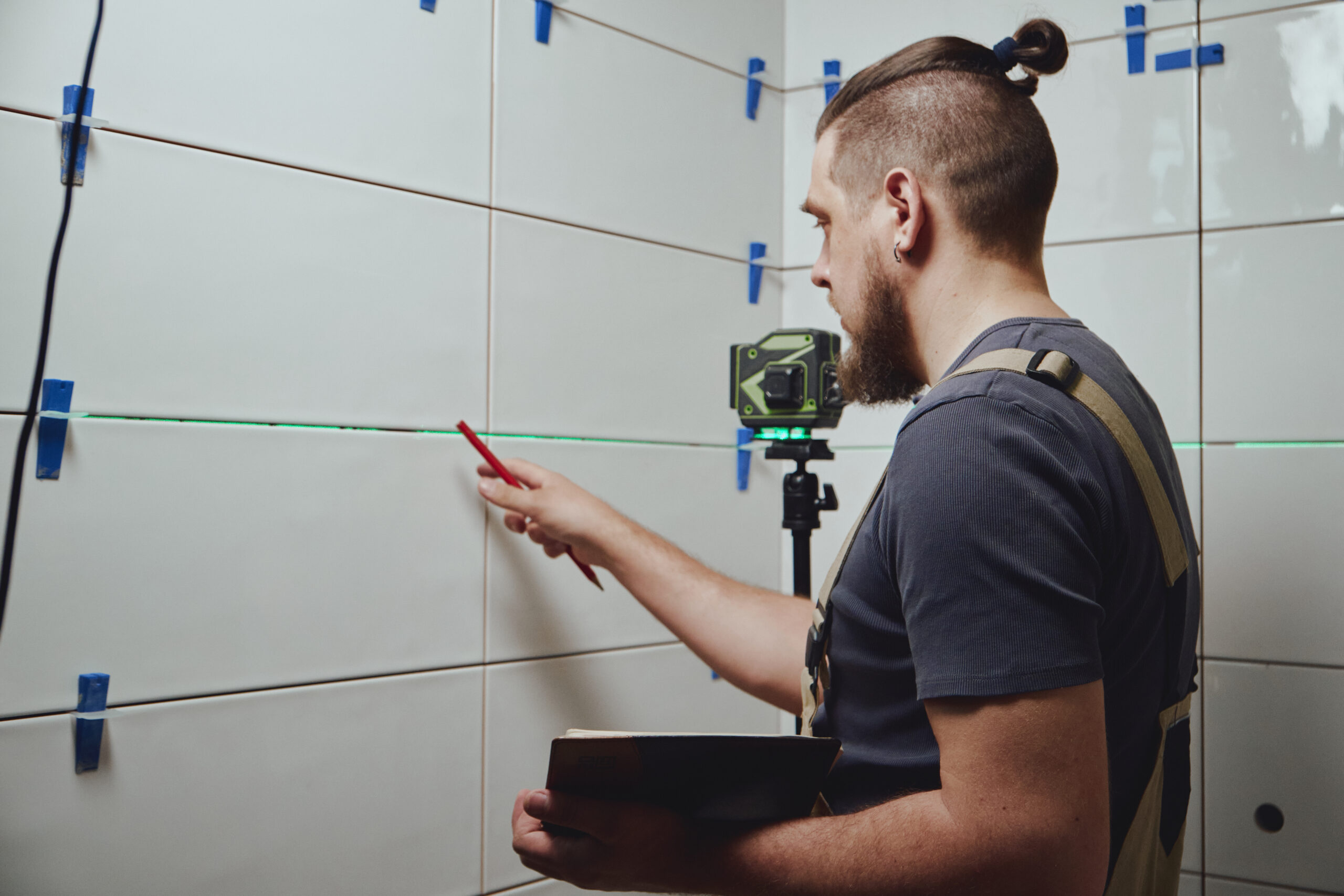
Bathroom Regrouting is one of those oddly satisfying home tasks, right up until you’re knee-deep in crumbling grout, wondering why your “quick refresh” now looks like a construction site.

There’s no denying it: tired, cracked, or mouldy grout can drag down the look of even the most stylish bathroom. Those thin lines between your tiles might seem insignificant, but they play a vital role in both aesthetics and waterproofing. When they start to fail, you’re not just dealing with an eyesore, you could be inviting moisture damage, mould growth, and costly repairs.
So, should you tackle bathroom regrouting as a DIY weekend project, or is it wiser to bring in a professional tiler? In this guide, we’ll walk you through everything you need to know, from tools and techniques to tiler cost UK considerations, helping you decide which route suits your home and your patience levels.
What Is Bathroom Regrouting and Why Does It Matter?
Grout is the material that fills the gaps between tiles, keeping them in place and sealing out water. Over time, however, grout can deteriorate due to:
- Constant moisture exposure
- Cleaning chemicals
- General wear and tear
- Poor initial installation
When grout starts cracking, crumbling, or turning black with mould, it’s no longer doing its job properly. Regrouting involves removing the old grout and replacing it with fresh material—restoring both function and appearance.
In short, it’s a small job with a surprisingly big impact.
Signs Your Bathroom Needs Regrouting
Not sure whether it’s time to regrout? Here are some tell-tale signs:
- Discoloured or stained grout that won’t clean up
- Visible cracks or gaps
- Tiles that feel loose
- Persistent mould or mildew
- Water seeping behind tiles
Ignore these signs, and you risk more than just cosmetic issues. Water ingress can damage walls, floors, and even structural elements over time.
DIY Bathroom Regrouting: Is It Really a Weekend Job?
Let’s be honest, DIY regrouting sounds deceptively simple. And in some cases, it is. If you’re working on a small area with minimal damage, it can absolutely be a manageable weekend task.
However, it’s also one of those jobs where “cutting corners” tends to show quite quickly.
Tools You’ll Need
Before you roll up your sleeves, make sure you’ve got the right kit:
- Grout removal tool or oscillating multi-tool
- Utility knife
- Grout float
- Sponge and bucket
- Vacuum or brush for debris
- Protective gloves and mask
- Sealant applicator (for finishing edges)
A multi-tool can speed things up significantly, but it also requires a steady hand—one slip and you could chip your tiles.
Step-by-Step DIY Regrouting Process
- Remove Old Grout
Carefully scrape out the existing grout to a consistent depth. This is the most time-consuming part and, frankly, the most tedious. - Clean the Area
Remove all dust and debris to ensure proper adhesion of the new grout. - Mix and Apply New Grout
Use a grout float to press the mixture firmly into the joints. - Wipe Excess Grout
Use a damp sponge to clean the tile surfaces without pulling grout from the joints. - Allow to Cure
Follow manufacturer instructions, usually 24 to 48 hours. - Apply Sealant
Once dry, apply a grout sealant to protect against moisture and stains.
Pros of DIY Regrouting
- Cost-effective (materials only)
- Flexible timing
- Satisfaction of doing it yourself
Cons of DIY Regrouting
- Time-consuming (especially grout removal)
- Physically demanding
- Risk of uneven finish
- Potential damage to tiles
When DIY Might Not Be the Best Idea?
While DIY is tempting, it’s not always practical. You may want to reconsider if:
- Your bathroom is large or heavily tiled
- Grout is severely damaged or missing
- There’s underlying water damage
- Tiles are expensive or delicate
- You’re short on time (or patience)
Regrouting can quickly turn from a weekend project into a week-long saga, particularly if things don’t go to plan.
Hiring a Professional Tiler: What to Expect?
If DIY feels like more hassle than it’s worth, hiring a tiler is a sensible option. Professionals bring experience, efficiency, and a polished finish that’s hard to match.
Tiler Cost UK: What’s the Typical Price?
The tiler cost UK varies depending on several factors, including:
- Size of the area
- Condition of existing grout
- Location (London tends to be pricier)
- Complexity of the job
On average, you can expect:
- £150 to £250 per day for labour
- Small bathroom regrouting: £200–£400
- Larger or more complex jobs: £400–£800+
While this might seem steep compared to DIY, remember you’re paying for speed, expertise, and a professional finish.
Typical Labour Time
A professional tiler can usually complete:
- Small bathroom: 4–6 hours
- Medium bathroom: 1 day
- Large or complex spaces: 1–2 days
Compare that to DIY, where the same job might take an entire weekend, or longer if you’re learning as you go.
Pros of Hiring a Tiler
- High-quality, even finish
- Faster completion
- Reduced risk of damage
- Expert advice on materials and maintenance
Cons of Hiring a Tiler
- Higher upfront cost
- Scheduling availability
- Less hands-on involvement
Choosing the Right Grout and Sealants
Not all grout is created equal. Choosing the right type can make a significant difference in durability and maintenance.
Types of Grout
- Cement-based grout
Affordable and easy to work with, but requires sealing. - Epoxy grout
More expensive but highly resistant to water and stains, ideal for bathrooms. - Ready-mixed grout
Convenient for DIY, though not always as durable as powder-based options.
Importance of Sealants
Sealants are your grout’s best friend. They:
- Prevent moisture penetration
- Reduce staining
- Inhibit mould growth
Apply sealant once the grout has fully cured, and reapply periodically for long-term protection.
Mould Prevention: Keeping Your Bathroom Fresh
Fresh grout looks nice until mould decides to move back in. Preventing mould is key to maintaining your newly regrouted bathroom.
Practical Tips
- Improve ventilation
Use extractor fans or open windows after showers. - Wipe down surfaces
A quick wipe can prevent moisture build-up. - Use anti-mould cleaners
Regular maintenance keeps grout looking new. - Seal grout properly
This is your first line of defence. - Fix leaks promptly
Even small leaks can lead to big mould problems.
Common DIY Mistakes to Avoid
Even confident DIYers can stumble with regrouting. Watch out for:
- Not removing enough old grout
- Applying grout unevenly
- Skipping the cleaning stage
- Over-wiping and removing too much grout
- Forgetting to seal the grout
A little extra care at each step goes a long way towards a professional-looking result.
Cost Comparison: DIY vs Professional
| Aspect | DIY Regrouting | Professional Tiler |
|---|---|---|
| Cost | £30–£100 (materials) | £200–£800+ |
| Time | 1–3 days | 4–24 hours |
| Skill Level | Moderate | Expert |
| Finish Quality | Variable | High |
| Risk of Mistakes | Higher | Lower |
Which Option Is Right for You?
The decision ultimately comes down to three things:
1. Budget
If you’re looking to save money, DIY is the obvious choice.
2. Time
If your schedule is tight, a professional can get the job done quickly.
3. Confidence
If you’re comfortable with hands-on work and have the patience, DIY can be rewarding. If not, hiring a tiler may save you stress—and possibly a few tiles.
Concluding Thoughts!
Bathroom regrouting might not be the most glamorous home improvement task, but it’s one of the most effective ways to refresh your space without a full renovation. Whether you choose to tackle it yourself or bring in a professional, the key is doing it properly, because rushed grout has a habit of making its displeasure known.
A neat, well-sealed finish not only improves the look of your bathroom but also protects it from moisture damage and mould, keeping everything in good condition for years to come.
And if you’re still undecided, remember this: sometimes the real DIY skill is knowing when to call in the experts.
For more practical home tips and honest guides, be sure to follow The Household Daily, your go-to companion for smarter living at home.