Best Fencing Options are often the quiet heroes of a well-kept garden, standing patiently through drizzle, wind, and the occasional neighbourly glance while defining your outdoor space with understated confidence.

Choosing the Best Fencing Options for UK gardens is not simply a matter of picking whatever looks nice in the DIY aisle. British weather has a personality of its own, one minute calm and pleasant, the next throwing rain sideways to keep things interesting. Your fence must do far more than mark boundaries; it needs to withstand moisture, resist warping, and continue looking respectable after several winters.
Whether you are upgrading tired panels or planning a full garden refresh, understanding the pros and cons of different materials is essential. This guide compares the most popular choices, wood, vinyl, and composite, with a clear focus on durability, weather resistance, maintenance, and long-term value.
Why Choosing the Right Fence Material Matters?
A fence is not a short-term purchase. Installed properly, a good fence should last anywhere from 10 to 25 years depending on the material and care it receives. Choosing poorly can mean:
- Rotting panels after a few wet seasons
- Warping in summer heat
- Constant repainting or repairs
- Unexpected replacement costs
UK homeowners increasingly look beyond the cheapest option and focus on fence materials comparison to find something that balances cost, appearance, and longevity.
Before comparing materials, consider what your garden actually needs.
Key Factors UK Homeowners Should Consider
1. Weather Resistance
The UK climate is famously damp. Fencing must cope with:
- Persistent rain
- Winter frost
- Occasional strong winds
- Moss and algae growth
Materials that perform well in dry climates may struggle in British conditions.
2. Maintenance Commitment
Be honest about how much effort you want to invest. Some fences require yearly treatment, while others are almost maintenance-free.
3. Privacy and Security
Panel height, strength, and design all influence how secure and private your garden feels.
4. Budget — Both Now and Later
Initial cost is only part of the story. Long-term maintenance and replacement costs often determine true value.
With these factors in mind, let’s explore the Best Fencing Options for UK gardens.
Wooden Fencing: The Traditional Favourite
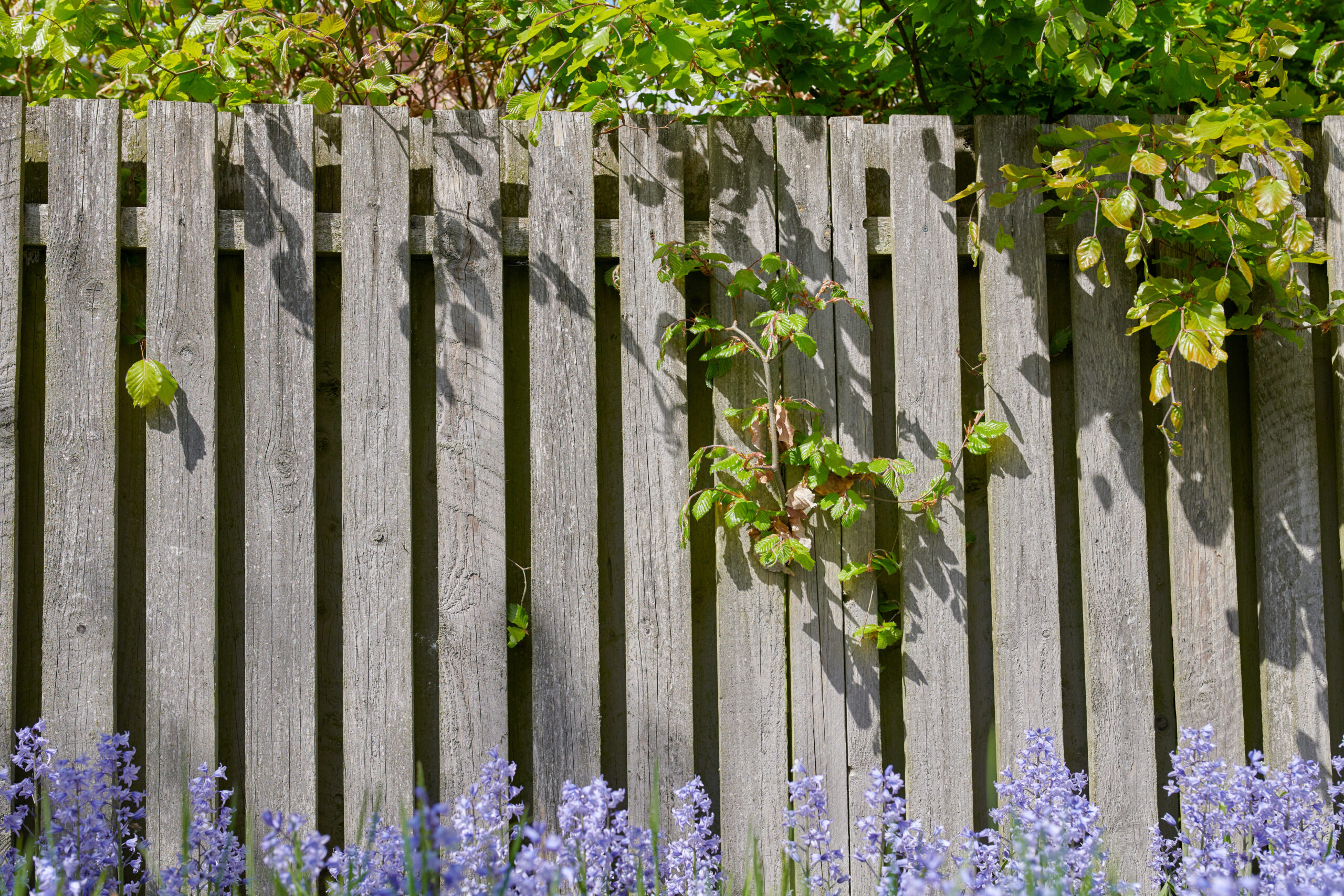
Wood remains one of the most popular fencing choices across the UK. From classic overlap panels to contemporary slatted designs, timber fencing suits almost every garden style.
Advantages of Wooden Fences
1. Natural appearance
Wood blends beautifully with planting and landscaping. It offers a warm, traditional look that many homeowners prefer.
2. Widely available
Timber panels and posts are easy to source across the UK, making repairs straightforward.
3. Flexible design options
Wood can be painted, stained, or shaped into various styles.
4. Lower upfront cost
Compared with composite or vinyl, wood is often the most budget-friendly initially.
Disadvantages to Consider
1.Regular maintenance required
Timber fencing typically needs treatment every 1–2 years to prevent rot and weather damage.
2. Vulnerable to moisture
Even pressure-treated wood can suffer in very damp conditions over time.
3. Shorter lifespan
Standard timber fencing usually lasts 8–15 years depending on quality and care.
How Wooden Fences Perform in UK Weather?
Wood handles mild weather well but needs protection against prolonged dampness. Key risks include:
- Rot at ground contact points
- Warping during wet winters
- Algae growth in shaded gardens
Choosing pressure-treated timber and ensuring good drainage around posts can significantly improve durability.
Vinyl Fencing: The Low-Maintenance Contender
Vinyl fencing has grown in popularity among UK homeowners who want a neat appearance without ongoing upkeep.
Advantages of Vinyl Fences
1. Very low maintenance
Vinyl does not need painting, staining, or sealing. A simple wash usually keeps it looking fresh.
2. Resistant to rot and insects
Unlike wood, vinyl will not rot or attract pests.
3. Clean, modern appearance
White and neutral vinyl panels suit contemporary garden designs.
4. Long lifespan
Quality vinyl fencing can last 20–30 years.
Potential Drawbacks
1. Higher upfront cost
Vinyl fencing is typically more expensive to install than timber.
2. Less natural look
Some homeowners feel vinyl lacks the character of real wood.
3. Cold weather brittleness (rare but possible)
Extremely low temperatures can make cheaper vinyl more brittle, though UK winters are usually mild enough to avoid major issues.
Weather Resistance in the UK
Vinyl performs very well in wet climates because it does not absorb moisture. It is particularly useful in:
- Shaded gardens prone to damp
- Coastal areas with salty air
- Homes where maintenance time is limited
However, proper installation is crucial to prevent wind movement.
Composite Fencing: The Modern All-Rounder
Composite fencing is increasingly considered one of the Best Fencing Options for UK gardens. Made from a blend of recycled wood fibres and plastic, it aims to combine the strengths of both materials.
Advantages of Composite Fencing
1. Excellent durability
Composite boards resist rot, warping, and insect damage.
2. Minimal maintenance
Unlike timber, composite rarely needs painting or sealing.
3. Natural wood appearance
High-quality composite mimics timber grain very convincingly.
4. Strong weather resistance
Designed specifically to cope with moisture and temperature changes.
5. Eco-friendly appeal
Many composite products use recycled materials.
Disadvantages to Note
1. Higher initial investment
Composite fencing typically costs more than wood and sometimes vinyl.
2. Colour fading over many years
Some products may lighten slightly with prolonged UV exposure.
3. Heavier material
Installation can be more labour-intensive.
UK Weather Performance
Composite fencing performs exceptionally well in British conditions because it:
- Does not absorb water like timber
- Resists frost damage
- Withstands heavy rainfall
- Requires little seasonal upkeep
For homeowners planning a long-term garden upgrade, composite often offers strong value despite the higher upfront cost.
Fence Materials Comparison: Side-by-Side
When evaluating the Best Fencing Options, a direct comparison helps clarify which material suits your priorities.
Durability
- Wood: Moderate
- Vinyl: High
- Composite: Very high
Maintenance
- Wood: High maintenance
- Vinyl: Low maintenance
- Composite: Very low maintenance
Weather Resistance
- Wood: Needs protection
- Vinyl: Excellent in damp conditions
- Composite: Outstanding all-weather performance
Appearance
- Wood: Most natural
- Vinyl: Clean and modern
- Composite: Natural-looking but uniform
Upfront Cost
- Wood: Lowest
- Vinyl: Mid-range
- Composite: Highest
Which Fence Type Suits Different UK Gardens?
Small Urban Gardens
Best choices:
- Vinyl for low maintenance
- Composite for a premium finish
- Slatted wood for budget projects
Large Family Gardens
Best choices:
- Pressure-treated timber (cost-effective coverage)
- Composite for long-term durability
- Reinforced vinyl for neat boundaries
Coastal or High-Wind Areas
Best choices:
- Composite (excellent weather resistance)
- Vinyl (non-rotting)
- Avoid untreated wood where possible
Low-Maintenance Households
If you prefer not to spend weekends painting fence panels, vinyl or composite is usually the smarter investment.
Installation Considerations UK Homeowners Often Overlook
Even the Best Fencing Options can fail if poorly installed. Pay attention to:
Proper Post Depth
Fence posts should typically be set at least 600mm into the ground in the UK to withstand wind loads.
Concrete vs Spike Supports
- Concrete posts offer maximum stability
- Metal spikes are quicker but less robust in exposed areas
Drainage Around Posts
Standing water is the enemy of fence longevity, especially for timber.
Boundary Regulations
Always check local planning rules and neighbour agreements before installing new fencing.
How Much Do Different Fence Types Typically Cost?
Approximate UK supply and install ranges (2026 estimates, very likely to differ):
- Timber fencing: £60–£120 per metre
- Vinyl fencing: £90–£180 per metre
- Composite fencing: £120–£250 per metre
Prices vary depending on:
- Garden access
- Ground conditions
- Fence height
- Regional labour rates
Maintenance Tips to Extend Fence Lifespan
Regardless of material, a little care goes a long way.
For Wooden Fences
- Apply preservative every 1–2 years
- Keep soil away from panel bottoms
- Replace damaged boards promptly
For Vinyl Fences
- Wash annually with mild detergent
- Check for loose fixings after storms
For Composite Fences
- Rinse occasionally to remove dirt
- Inspect fixings yearly
- Trim nearby vegetation to prevent moisture traps
When to Repair vs Replace Your Fence?
Sometimes a full replacement is unnecessary. Consider repair if:
- Only a few panels are damaged
- Posts remain solid
- Structural integrity is intact
Replacement is usually smarter when:
- Multiple panels are rotting
- Posts are leaning
- The fence is over 15–20 years old
- Maintenance costs are adding up
Final Thoughts: Choosing the Best Fencing Options
Selecting the Best Fencing Options for your UK garden comes down to balancing appearance, durability, and how much maintenance you are realistically willing to handle. Timber offers timeless charm at a lower upfront cost but demands ongoing care. Vinyl provides a neat, low-maintenance solution that performs well in damp British conditions. Composite stands out as the premium long-term investment, combining strong weather resistance with minimal upkeep.
There is no single perfect choice for every garden, but understanding this fence materials comparison makes it far easier to invest wisely and avoid costly regrets later. And if you would like more practical home advice delivered with a friendly touch, don’t forget to follow The Household Daily, your future self (and your garden fence) will quietly approve.