
Common Household Jobs are the small, everyday tasks that quietly sit on a homeowner’s to-do list, often pushed aside with the promise of “I’ll get to that next weekend.” The dripping tap becomes background noise, the slightly blocked gutter doesn’t seem urgent, and the loose seal around the bathroom sink looks harmless enough. Yet many homeowners eventually discover that the jobs they delay the longest are often the ones that become the most expensive. A tiny leak becomes water damage, a cracked seal becomes mould, and a neglected gutter can even cause structural issues. Across the UK, these small maintenance tasks frequently turn into larger common house repairs UK homeowners wish they had handled earlier.

Modern life is busy, and most people juggle work, family commitments, and endless errands. It is hardly surprising that routine maintenance sometimes slips down the priority list. However, the reality is that homes, like cars, require regular care. Ignoring minor problems can allow them to quietly worsen over time, leading to higher repair bills, inconvenience, and occasionally a moment of regret when a professional explains what could have been prevented.
The Dripping Tap That Slowly Becomes a Plumbing Problem
One of the most classic examples of delayed home maintenance is the humble dripping tap. It seems harmless enough, after all, it is only a few drops of water. Many people simply place a bowl underneath or learn to ignore the occasional drip during quiet evenings.
However, that steady drip is often a sign that the washer or cartridge inside the tap is wearing out. Over time, the leak may worsen, eventually leading to a constant trickle.
At first, the repair may only cost a few pounds for a replacement washer. Left untreated, though, the situation can escalate. The dripping water can damage sink fixtures, cause limescale build-up, and increase water bills. In severe cases, the internal components of the tap can deteriorate so much that the entire unit needs replacing.
What began as a simple fix suddenly becomes one of the more frustrating common house repairs UK homeowners encounter.
Blocked Gutters and the Domino Effect of Water Damage
Gutters are rarely the most exciting part of homeownership. Out of sight and above eye level, they tend to receive attention only when something visibly goes wrong.
During autumn in the UK, leaves and debris easily accumulate inside gutter channels. If left unchecked, these blockages prevent rainwater from draining properly.
Instead of flowing through the downpipe, water may spill over the sides, running down exterior walls. Over time this can lead to:
- Damp patches inside walls
- Damage to brickwork
- Rotting fascia boards
- Water pooling around foundations
A quick seasonal clean could prevent the entire chain reaction. Yet many homeowners delay the task until they notice a problem.
Ironically, the repair bill for water damage can be significantly higher than the cost of simple gutter maintenance.
The Small Roof Issue That Turns Into a Leak
Roof repairs are another example of jobs frequently postponed. Climbing onto a roof, or arranging a professional inspection, often feels like something that can wait.
However, even a small cracked tile or damaged flashing can allow rainwater to enter the roof structure.
At first, the signs might be subtle:
- Slight dampness in the loft
- Small stains on ceilings
- A faint musty smell
But if ignored, water infiltration can damage insulation, timber beams, and plaster ceilings. In severe cases, entire sections of roofing material may require replacement.
Many homeowners only discover the issue during heavy rainfall, when a leak suddenly becomes impossible to ignore.
Routine inspections are a simple step that can prevent these types of common house repairs UK residents often face after winter storms.
Worn Window Seals and Hidden Energy Loss
Windows play an important role in maintaining indoor temperature. Yet the seals around them gradually wear out over time.
When seals crack or shrink, tiny gaps allow cold air to enter and warm air to escape. The effect might not be immediately obvious, but it gradually increases heating costs.
Signs of failing window seals include:
- Draughts near windows
- Condensation between panes
- Difficulty closing window frames
Ignoring these signs means that heating systems must work harder to maintain comfortable temperatures. Over months and years, the additional energy usage can become significant.
Replacing a small section of sealant is usually inexpensive. Waiting until the entire window frame deteriorates, however, can lead to much higher costs.
Bathroom Sealant and the Slow Arrival of Mould
Bathroom maintenance is another area where minor tasks are frequently postponed.
Silicone sealant around baths, showers, and sinks is designed to keep water from seeping into walls and flooring. Unfortunately, sealant can degrade with age.
When cracks appear, water begins to penetrate behind tiles or under flooring. Because the damage occurs behind surfaces, homeowners may not notice immediately.
Eventually, signs begin to appear:
- Dark mould patches
- Peeling paint
- Damp odours
- Loose tiles
At this point, repairs can involve removing tiles, drying the structure, and re-sealing the area.
A job that might have taken fifteen minutes with a tube of silicone becomes a more complicated bathroom repair.
Ignoring Early Signs of Damp
Damp is a common issue in UK homes, particularly older properties. Early warning signs are often subtle and easy to dismiss.
You might notice:
- Slight peeling paint
- Small patches of mould
- Condensation on walls
Because these signs appear minor, many homeowners delay addressing them. However, damp can worsen rapidly if its cause is not resolved.
Possible underlying issues include:
- Blocked gutters
- Poor ventilation
- Leaking pipes
- Cracked brickwork
The longer damp remains untreated, the greater the chance it will damage plaster, flooring, and structural timber.
Professional damp treatments can become costly, making early intervention one of the smartest home maintenance decisions.
The Boiler Service That Gets Forgotten
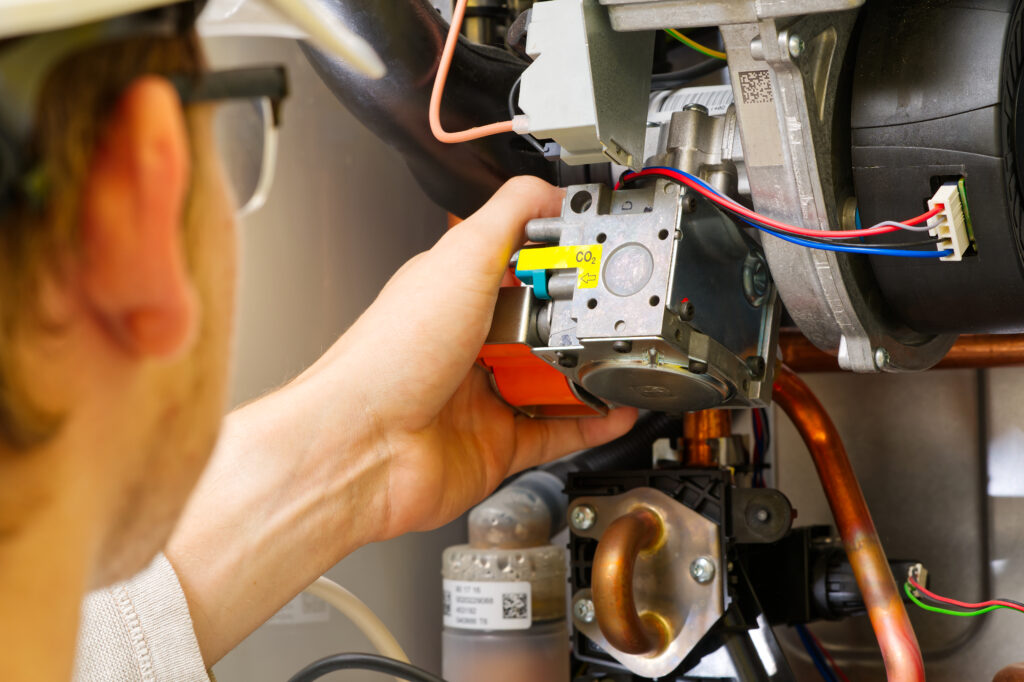
Boilers tend to work quietly in the background, until they do not. Many households forget to schedule annual servicing, especially when the heating system appears to function normally.
Skipping routine servicing increases the risk of unexpected breakdowns, often during winter when heating systems are working hardest.
A typical annual service can identify:
- Worn components
- Pressure issues
- Efficiency problems
- Safety concerns
Ignoring these checks may lead to emergency call-outs, which are often more expensive than routine servicing.
In some cases, neglected boilers can become inefficient, increasing energy bills even if they appear to work normally.
Loose Tiles and Minor Flooring Issues
Flooring problems are another common example of repairs people postpone. A slightly loose tile or squeaky floorboard rarely feels urgent.
However, small flooring issues can worsen over time.
Loose tiles may allow moisture to seep underneath, damaging adhesive and subflooring. Similarly, squeaky floorboards might indicate movement or structural issues beneath the surface.
Fixing a single tile early is usually straightforward. Waiting until multiple tiles become loose can mean removing larger sections of flooring.
Once again, a quick repair prevents larger common house repairs UK homeowners eventually face.
The Garden Drain That Slowly Blocks
Outdoor drainage systems often receive little attention until heavy rain reveals a problem.
Leaves, soil, and debris gradually accumulate inside garden drains and surface channels. If these blockages are ignored, rainwater may begin pooling near the property.
This can lead to:
- Flooded patios
- Waterlogged lawns
- Damp around foundations
Regular clearing of outdoor drains is a small but effective way to prevent water-related damage.
Smoke Alarms and Safety Checks
Some household tasks are not about property damage but about safety.
Smoke alarms and carbon monoxide detectors require regular testing and occasional battery replacement. Unfortunately, many homeowners forget these checks until an alarm begins chirping in the middle of the night.
Routine testing ensures alarms function properly in an emergency. Considering the importance of these devices, it is one household job that should never be delayed.
Why Small Repairs Often Become Expensive?
There is a simple reason many minor home issues escalate over time: deterioration rarely stops on its own.
Water leaks continue spreading.
Draughts continue wasting energy.
Structural wear continues worsening.
Small repairs are usually cheaper because the problem has not yet spread to surrounding materials.
Once damage extends beyond the original issue, repair costs increase significantly.
Creating a Simple Home Maintenance Habit
The easiest way to avoid postponed repairs is to create a simple maintenance routine.
A few small habits can make a significant difference:
- Check gutters each autumn
- Inspect roofs after storms
- Test smoke alarms monthly
- Reseal bathroom fixtures annually
- Schedule boiler servicing before winter
By spreading these tasks throughout the year, homeowners can avoid feeling overwhelmed.
Maintenance then becomes a normal part of household care rather than an occasional emergency response.
The Hidden Benefit: Peace of Mind
There is another benefit to staying on top of maintenance: peace of mind.
Knowing that your roof, plumbing, heating system, and safety devices are in good condition allows you to relax without worrying about unexpected problems.
Homeownership always involves occasional repairs, but many expensive surprises can be avoided through small preventative actions.
Concluding Thoughts!
Many Common Household Jobs seem easy to postpone, especially when the problem appears small or inconvenient to fix. Yet as countless homeowners discover, delaying minor maintenance often turns simple tasks into expensive common house repairs UK households would much rather avoid. By dealing with leaks, gutters, seals, and other small issues early, you protect both your home and your wallet, and if you enjoy practical tips that help make home life smoother, do remember to follow The Household Daily for more helpful guides and everyday household advice.