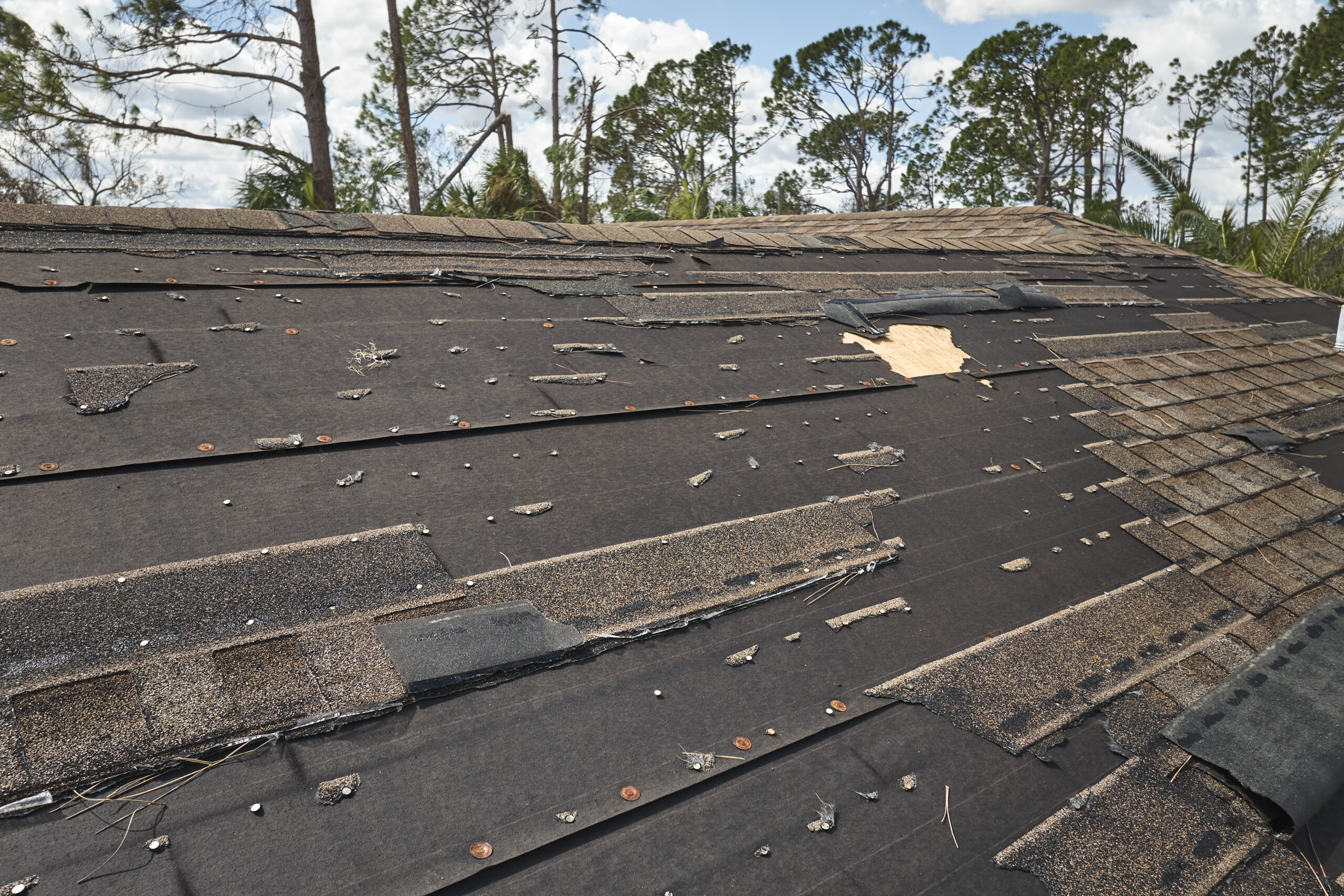
Early Signs of Roof Damage rarely arrive with dramatic fanfare. There is usually no helpful drumroll, no polite knock on the door, and certainly no memo pinned to your fridge. Instead, roof problems tend to creep in quietly, a slipped tile here, a faint damp patch there, until one rainy Tuesday reminds you that gravity and water are very much real.

For UK homeowners, spotting issues early can mean the difference between a quick repair and a painfully expensive overhaul. The good news? You don’t need to climb onto your roof with binoculars and nerves of steel to catch most problems early. With a sensible roof inspection checklist and a bit of seasonal awareness, you can stay one step ahead of costly damage.
Why Early Roof Damage Is Easy to Miss?
Roofs are the unsung heroes of the home. They work tirelessly in the background, dealing with wind, rain, frost, heatwaves, and the occasional overly confident pigeon. Because we don’t see them up close every day, small problems can go unnoticed for months.
Common reasons damage is missed include:
- Issues start small and gradually worsen
- Problems often begin in hidden areas
- Many signs appear indoors first
- Busy households rarely look up unless something drips
Unfortunately, by the time a leak becomes obvious, the underlying damage may already be well underway.
Your Essential Roof Inspection Checklist
Before diving into specific warning signs, it helps to have a simple roof inspection checklist you can revisit seasonally.
A sensible homeowner’s check should include:
- Visual check of roof tiles from ground level
- Inspection of gutters and downpipes
- Loft or attic damp check
- Ceiling and wall inspection indoors
- Check after major storms
- Moss and debris assessment
You don’t need specialist equipment, just good daylight, a cautious eye, and perhaps a cup of tea for moral support.
Cracked or Missing Roof Tiles
Let’s start with one of the most obvious early signs.
What to Look For?
From ground level, scan your roof for:
- Cracked tiles
- Slipped tiles
- Missing tiles
- Uneven roof lines
- Tiles that look darker or water-stained
In the UK’s changeable climate, tiles expand and contract repeatedly. Over time, this can lead to small fractures that allow water to sneak underneath.
Why It Matters?
Even a single cracked tile can allow moisture into the underfelt and roof structure. Left alone, this can lead to:
- Timber rot
- Insulation damage
- Internal damp
- Costly structural repairs
Tiny crack today, sizeable invoice tomorrow, sadly, that’s often how it goes.
Damp Patches on Ceilings or Walls
If your roof prefers subtle communication, damp patches are usually its chosen language.
Indoor Warning Signs
Keep an eye out for:
- Yellow or brown ceiling stains
- Peeling paint near the top of walls
- Bubbling plaster
- Musty smells upstairs
- Damp loft insulation
These often appear before any visible dripping.
The Sneaky Nature of Roof Leaks
Water rarely travels straight down. It can:
- Run along rafters
- Pool above ceilings
- Travel behind plaster
- Appear far from the actual roof fault
This is why using a proper roof inspection checklist that includes indoor checks is so important.
Gutter Overflow and Water Behaviour
Gutters may not get much attention, but they are excellent early-warning systems.
External Clues to Watch
During or after rainfall, look for:
- Water spilling over gutter edges
- Sagging gutter sections
- Plant growth in gutters
- Green streaks on exterior walls
- Damp patches below roofline
Why Overflow Matters?
Blocked or damaged gutters can force water back under roof tiles, exactly where you don’t want it.
Common causes include:
- Autumn leaf build-up
- Moss from roof tiles
- Bird nesting debris
- General grime accumulation
In many UK homes, what starts as a simple gutter clean could prevent significant roof trouble later.
Moss and Algae Build-Up
A little moss might look charming in a cottage-core sort of way, but your roof strongly disagrees.
Early Warning Signs
Watch for:
- Thick green moss patches
- Dark streaking on tiles
- Clumps in gutters
- Areas that stay damp longer than others
Why Moss Can Be Problematic?
Moss holds moisture against tiles, which can:
- Accelerate tile deterioration
- Increase frost damage risk
- Lift tile edges
- Block drainage paths
Over time, this creates perfect conditions for water ingress.
Loft and Attic Clues
If you really want to get ahead of roof problems, your loft is the place to look.
What to Check Safely?
Using a torch, look for:
- Damp rafters
- Dark staining on timber
- Wet insulation
- Daylight visible through roof boards
- Musty or earthy smells
Even small moisture signs in the loft deserve attention.
Best Times to Check
Your roof inspection checklist works best when done:
- After heavy rain
- After strong winds
- At the start of autumn
- At the end of winter
Catching issues seasonally keeps repairs manageable.
Flashing Damage Around Roof Features
Flashing, the thin material sealing joins around chimneys, vents, and skylights, is a common weak point.
Warning Signs
From ground level or inside the loft, watch for:
- Loose flashing
- Rusting metal strips
- Gaps around chimney bases
- Damp patches near roof features
Why Flashing Fails?
In UK weather, flashing suffers from:
- Thermal expansion
- Wind uplift
- Age-related deterioration
- Poor previous repairs
Because flashing protects vulnerable joins, small failures here can quickly lead to leaks.
Storm and Wind Aftermath
British weather has a habit of testing roofs without much notice.
After any major wind or storm event, do a quick visual scan for:
- Displaced tiles
- Debris on roof
- Bent gutters
- Fallen ridge tiles
- New damp patches indoors
Even if everything looks fine, it’s worth adding a post-storm check to your regular roof inspection checklist.
When DIY Checks Are Enough?
Homeowners can safely perform basic visual inspections, but it’s important to know your limits.
Safe DIY Checks
Generally fine to do yourself:
- Ground-level roof scan
- Indoor damp checks
- Loft visual inspection
- Gutter overflow observation
Call a Professional If You Notice
- Multiple cracked tiles
- Persistent damp patches
- Sagging roof lines
- Recurring leaks
- Significant moss build-up
- Damaged flashing
- Gutter failure at height
Professional roofers have the equipment and the insurance, to investigate safely.
Seasonal Roof Care for UK Homes
Prevention is always cheaper than cure (and usually less stressful).
1. Spring
- Check for winter storm damage
- Clear remaining debris
- Inspect loft for damp
2. Summer
- Look for tile movement
- Schedule any repairs
- Check flashing in dry weather
3. Autumn
- Clear gutters thoroughly
- Watch for moss growth
- Prepare for heavy rain
4. Winter
- Monitor for leaks
- Watch for ice-related issues
- Keep an eye on ceilings after storms
Following a seasonal roof inspection checklist keeps surprises to a minimum.
The Cost of Ignoring Early Signs
It’s tempting to postpone roof checks, life is busy, and the roof isn’t exactly shouting for attention. But early warning signs rarely fix themselves.
Minor issues left unchecked can lead to:
- Interior water damage
- Mould growth
- Insulation replacement
- Timber rot
- Full roof repairs
In the UK, early repairs often cost a few hundred pounds, while major roof work can easily reach several thousand. A quick visual check suddenly feels like very good value.
Final Thoughts!
Early Signs of Roof Damage are often subtle, but they are rarely silent if you know where to look. Cracked tiles, faint damp patches, and suspicious gutter overflow are your home’s quiet way of asking for attention. With a sensible roof inspection checklist and a bit of seasonal vigilance, most problems can be caught long before they become expensive headaches.
A few minutes of looking up today can save a great deal of looking worried tomorrow, and for more smart home care tips delivered with a friendly touch, be sure to follow The Household Daily.