
Lawn care services UK often sound like something only stately homes or golf courses need, yet for many households, the decision between doing it yourself and hiring professional gardening services is surprisingly common.
A well-kept lawn has a curious power. It quietly boosts kerb appeal, improves outdoor enjoyment, and somehow makes the entire property look more organised, even if the inside still has that mysterious chair where clean laundry lives. But when it comes to maintaining that perfect green carpet, homeowners across the UK frequently face a question: should you tackle lawn care yourself or bring in professional gardening services?
The answer is not always straightforward. Lawn care involves more than just pushing a mower around once a fortnight. It includes seasonal upkeep, soil health, weed control, edging, aeration, feeding, and sometimes even repair work. Deciding between DIY lawn maintenance and hiring experts often comes down to four main factors: cost, time investment, equipment needs, and seasonal consistency.
Understanding the True Cost of Lawn Care
At first glance, DIY lawn maintenance may appear to be the more economical option. After all, many homeowners assume that owning a lawnmower is sufficient. However, this is not always the case. Lawn care expenses often extend well beyond the initial purchase of a mower, encompassing ongoing costs such as maintenance, fuel or electricity, replacement parts, fertilisers, and additional tools required for effective upkeep.
DIY Lawn Maintenance Costs
If you choose to maintain your lawn yourself, typical costs may include:
- Lawnmower purchase or replacement
- Grass seed and fertilisers
- Weed killers and pest treatments
- Edging tools and strimmers
- Aerators or scarifiers
- Water usage during dry spells
These expenses can add up over time, particularly if you aim for a high-quality finish rather than a “that’ll do” approach. A decent electric mower alone can cost anywhere from £120 to £300, while seasonal treatments may total £80–£150 annually.
Professional Gardening Services Costs
Professional lawn care services UK typically charge based on lawn size, frequency of visits, and the type of services required. On average:
- Small gardens: £25–£40 per visit
- Medium gardens: £40–£65 per visit
- Large gardens: £70–£120 per visit
Annual maintenance packages often work out cheaper than ad-hoc visits. While this may appear more expensive upfront, it usually includes equipment, treatments, and expertise, meaning fewer surprise costs later.
In essence, DIY is cheaper if you already own the tools and enjoy the process. Professional services can be cost-effective if you value consistency and long-term results.
Time Investment: The Hidden Currency
Time is arguably the biggest deciding factor. Lawn care requires regular attention, not occasional bursts of enthusiasm.
DIY Time Commitment
A small lawn might take 30–45 minutes per week, but larger lawns can demand two hours or more. Add seasonal tasks such as:
- Spring scarifying
- Summer watering
- Autumn leaf clearing
- Winter moss treatment
Suddenly, DIY lawn maintenance becomes a year-round responsibility rather than a summer hobby. For busy professionals or families, this time commitment can feel overwhelming.
Professional Time Savings
Hiring professionals removes this burden almost entirely. Gardeners schedule visits, bring their own tools, and manage seasonal transitions automatically. The homeowner’s role becomes delightfully simple: open the gate and occasionally offer tea. (Tea is optional but strongly appreciated in British garden diplomacy.)
Equipment Needs: More Than Just a Mower
Many assume lawn care equals mowing. In reality, achieving a lush lawn often requires a small arsenal of tools.
Essential DIY Equipment
- Lawnmower
- Strimmer or edger
- Rake and leaf blower
- Scarifier or aerator
- Fertiliser spreader
- Hose or sprinkler system
Storing these items also requires space, something not every UK home has in abundance. Sheds become crowded quickly, and garages begin resembling garden centres.
Professional Equipment Advantage
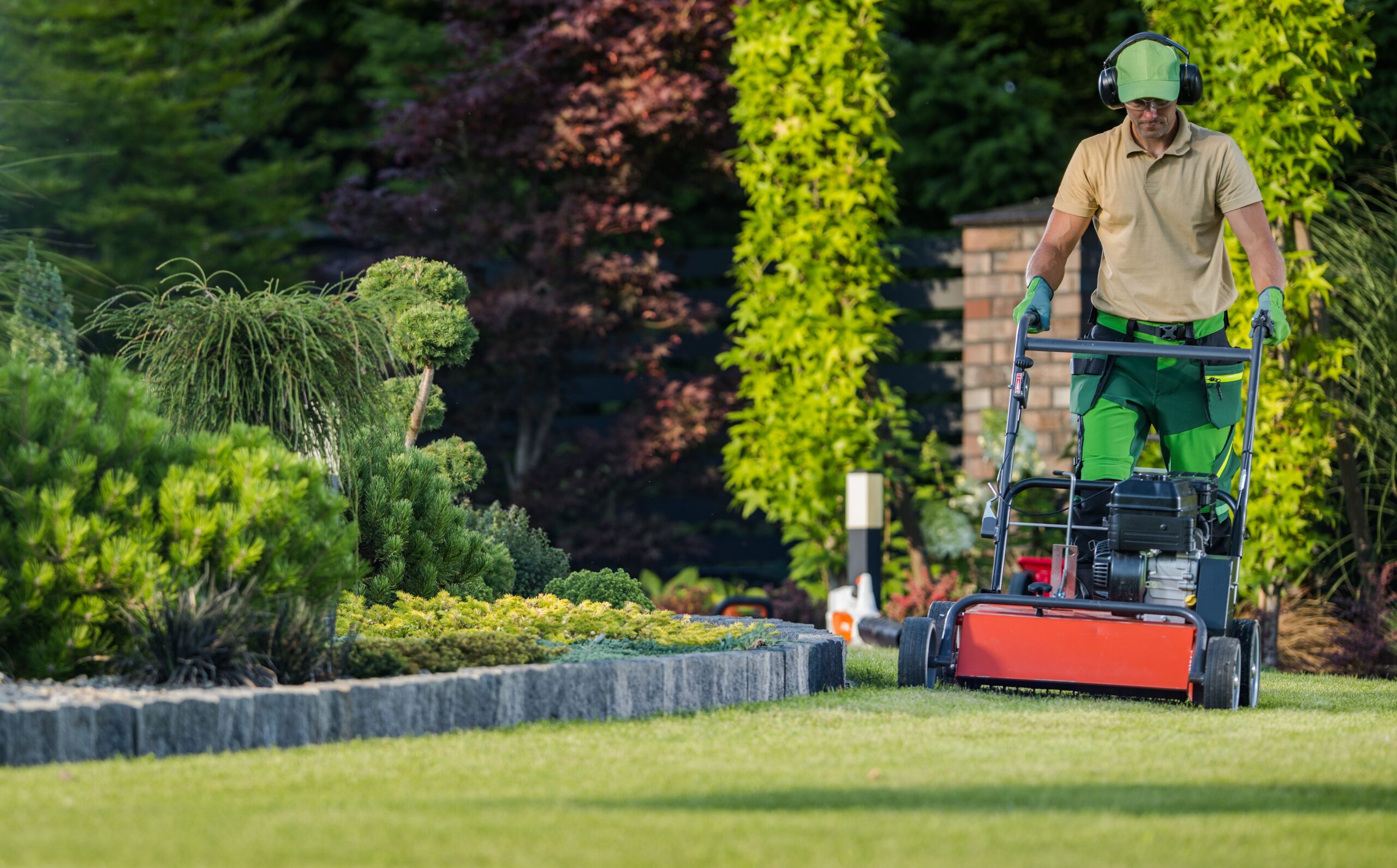
Professional gardeners arrive with commercial-grade machinery designed for efficiency and precision. Their equipment is usually more powerful and better maintained than average household tools, resulting in cleaner cuts and healthier turf. Additionally, homeowners avoid repair costs and replacement hassles.
Seasonal Upkeep: Consistency Is Key
Lawn care changes with the seasons, and each period requires different treatments.
Spring
- Scarifying to remove thatch
- Aeration to improve soil drainage
- Feeding and reseeding
Summer
- Regular mowing
- Controlled watering
- Weed and pest management
Autumn
- Leaf removal
- Overseeding patches
- Fertiliser application
Winter
- Minimal mowing
- Moss control
- Soil preparation
DIY lawn maintenance often struggles with seasonal consistency. It is easy to forget autumn fertiliser or delay spring scarifying. Professional services follow structured schedules, ensuring nothing is overlooked.
Skill and Knowledge Differences
While mowing is straightforward, diagnosing lawn problems requires experience. Issues such as fungal diseases, soil compaction, or nutrient deficiencies can easily be misidentified by amateurs. Professionals are trained to spot early warning signs and treat them promptly, preventing costly repairs later.
That said, DIY enthusiasts often enjoy the learning process. Gardening forums, online tutorials, and neighbourly advice create a supportive community. For some, the trial-and-error journey is part of the charm.
Satisfaction vs Convenience
There is undeniable satisfaction in maintaining your own lawn. Watching fresh stripes appear after mowing or seeing newly seeded grass sprout can be genuinely rewarding. DIY lawn maintenance provides exercise, fresh air, and a sense of accomplishment.
Professional services, however, offer convenience. The lawn looks polished without personal effort. For individuals with mobility limitations, demanding schedules, or simply different priorities, outsourcing is entirely sensible.
Property Value and Kerb Appeal
A well-maintained lawn contributes significantly to property presentation. Estate agents frequently highlight outdoor condition as a selling point. Professional lawn care can enhance kerb appeal quickly, especially before property listings or viewings. DIY care can achieve similar results but may require more time and experimentation.
Environmental Considerations
DIY gardeners often have greater control over eco-friendly choices, such as organic fertilisers or reduced chemical use. However, many professional services now offer environmentally conscious packages, including electric equipment and natural treatments. The difference largely depends on service selection rather than method alone.
When DIY Works Best?
DIY lawn maintenance is ideal if:
- You enjoy gardening as a hobby
- You already own essential tools
- Your lawn is small or medium-sized
- You have consistent free time
- You like learning through experience
It is also a practical choice for households seeking lower ongoing costs and personal involvement.
When Professional Services Make Sense?
Hiring lawn care services UK is beneficial if:
- Your schedule is busy or unpredictable
- Your lawn is large or complex
- You lack storage space for tools
- You want guaranteed results
- You prefer convenience over manual work
Professional services are especially helpful for elderly homeowners, rental properties, or seasonal property preparations.
The Hybrid Approach
Interestingly, many households adopt a hybrid lawn care strategy, and it is becoming increasingly popular across the UK because it mirrors how people manage many other home responsibilities: a little DIY, a little expert help, and a lot less stress overall. Instead of viewing lawn care as an all-or-nothing decision, homeowners mix practical self-maintenance with occasional professional support to keep costs sensible while still achieving high-quality results.
In a hybrid setup, the routine and relatively simple tasks usually stay in the homeowner’s hands. Regular mowing, light watering during dry spells, and basic edging are straightforward jobs that do not demand advanced knowledge or expensive machinery. These activities also give homeowners a chance to stay connected with their outdoor space without feeling overwhelmed. Spending half an hour on a Sunday trimming the grass can be surprisingly therapeutic, and far cheaper than a gym membership.
Where the hybrid model truly shines is in the specialist tasks that require expertise, strength, or specialised tools. Lawn aeration, scarifying, turf levelling, pest treatments, and large patch repairs are examples of jobs that professionals handle far more efficiently. These tasks often involve heavy equipment, technical timing, or soil diagnostics that are difficult for casual gardeners to master quickly. By outsourcing these occasional but important jobs, homeowners avoid buying tools they might only use once or twice a year.
Another benefit of the hybrid approach is seasonal flexibility. During busy months, such as school terms, holidays, or demanding work periods, professional visits can temporarily increase. When schedules ease, homeowners can return to doing more themselves. This fluid arrangement prevents lawn care from becoming either a financial burden or a time-consuming obligation.
Storage space also plays a role. Many UK homes have limited shed or garage capacity, and investing in bulky machinery like scarifiers or aerators is not always practical. Hiring professionals when needed removes the pressure to own every tool while still ensuring the lawn receives proper care.
Financially, the hybrid model often strikes the sweet spot. Instead of committing to weekly service fees or continuously purchasing new equipment, households spread costs across the year in smaller, purposeful investments. You pay for expertise only when it genuinely adds value, rather than out of habit.
Most importantly, this balanced method maintains lawn quality without sacrificing personal satisfaction. Homeowners still experience the pride of maintaining their garden, yet they also benefit from professional precision when it matters most. It is not about choosing between independence and convenience; it is about combining them intelligently. In many ways, the hybrid lawn care strategy reflects modern home management perfectly: practical, flexible, and just a little bit clever.
Final Thoughts!
Choosing between DIY lawn maintenance and professional gardening services ultimately depends on lifestyle, budget, and personal preference. Both options can produce beautiful lawns when approached thoughtfully. The key lies in understanding your priorities, whether that is saving money, saving time, or simply saving your Saturday mornings from becoming grass-cutting marathons.
Whichever route you take, consistency and care remain the true ingredients of a healthy lawn. And if you ever feel uncertain or short on time, remember that a little professional guidance can go a long way. For more practical home and garden tips, advice, and friendly guidance, do give The Household Daily a follow; your lawn will thank you.