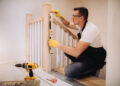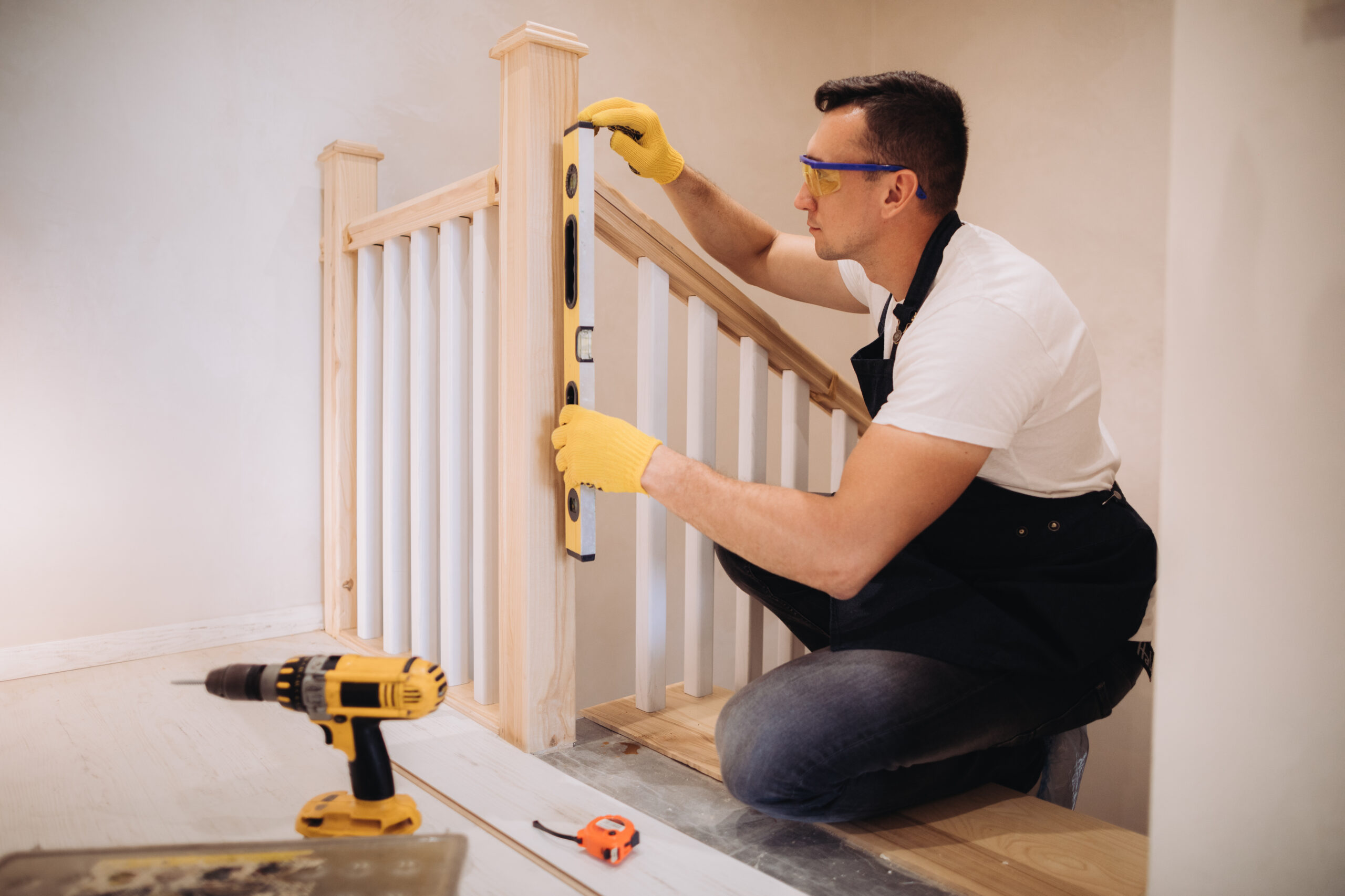
Loose Banisters have a way of going from a barely noticeable wobble to a full-on safety concern faster than you can say “mind the step.”

It often starts innocently enough, a slight movement when you grip the handrail, perhaps a faint creak as you head upstairs with a cup of tea. But over time, that wobble can worsen, turning your staircase from a reliable part of your home into something that feels just a touch, unpredictable.
In UK homes, where staircases are used countless times a day and often double as an unofficial handrail gym for children and pets alike, a sturdy banister isn’t just a design feature, it’s essential for safety. So, when it becomes loose, the question arises: is this a simple DIY fix, or is it time to call in a professional?
In this guide, we’ll explore the causes of loose banisters, the risks involved, tools you’ll need for DIY tightening, and when it’s worth considering professional help, along with a look at typical stair banister repair cost in the UK.
Why Loose Banisters Shouldn’t Be Ignored?
A slightly wobbly banister might not seem urgent, but it’s one of those household issues that can quickly escalate.
Key Safety Risks
- Increased risk of falls
Especially for children, elderly family members, or anyone carrying items up and down stairs. - Structural failure
A loose banister can eventually detach completely. - False sense of support
You expect a banister to hold your weight, when it doesn’t, accidents can happen.
In short, it’s not just about convenience, it’s about safety.
Common Causes of Loose Banisters
Understanding why your banister has come loose is the first step towards fixing it properly.
1. Wear and Tear Over Time
Daily use gradually loosens fixings. Every grip, push, or lean adds a bit of strain.
2. Loose Screws or Fixings
The most common culprit, screws can loosen over time, especially in wooden structures.
3. Weak or Damaged Wall Fixings
If the banister is attached to plasterboard or masonry, the anchors may weaken or fail.
4. Wood Movement
Changes in temperature and humidity can cause wood to expand and contract, loosening joints.
5. Poor Installation
If the banister wasn’t securely fixed to begin with, it’s more likely to loosen prematurely.
DIY Tightening: Is It a Simple Fix?
The good news is that many loose banister issues can be resolved with a straightforward DIY approach, provided the problem is minor and the structure itself is sound.
Tools Needed for DIY Banister Repair
Before you begin, gather the following tools:
- Screwdriver or drill
- Replacement screws (longer or thicker if needed)
- Wall plugs or anchors
- Wood glue
- Spirit level
- Spanner (for bolts, if applicable)
- Stud finder (optional but helpful)
Having the right tools makes the job quicker and far less frustrating.
Step-by-Step: How to Tighten a Loose Banister
Step 1: Identify the Source of the Movement
Is the looseness coming from:
- The wall fixing?
- The newel post (the larger vertical post)?
- The handrail itself?
Pinpointing the issue ensures you’re fixing the right part.
Step 2: Tighten Existing Screws
- Check all visible screws and bolts
- Tighten securely
- Avoid over-tightening, which can strip the holes
Sometimes, this alone solves the problem.
Step 3: Replace or Upgrade Fixings
If screws won’t tighten:
- Remove them
- Replace with longer or thicker screws
- Use appropriate wall plugs or anchors
For plasterboard walls, consider heavy-duty anchors.
Step 4: Reinforce with Wood Glue
For wooden joints:
- Apply wood glue to loose joints
- Clamp if possible
- Allow to dry fully before use
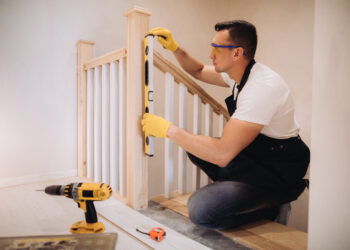
Step 5: Check Alignment
Use a spirit level to ensure the banister is straight and properly aligned.
When DIY Isn’t Enough?
While DIY fixes are effective for minor issues, some situations call for professional expertise.
Signs You Should Call a Professional
- The banister is significantly unstable
- The newel post is loose or damaged
- Wall fixings have failed completely
- There’s visible structural damage
- You’re unsure about load-bearing safety
In these cases, a temporary fix simply won’t do.
Hiring a Professional: What to Expect?
A qualified carpenter or joiner can assess and repair your banister quickly and safely.
Stair Banister Repair Cost in the UK
The stair banister repair cost varies depending on the issue:
- Minor tightening or fixing: £50–£100
- Re-securing posts or rails: £100–£250
- Replacing sections: £200–£500+
- Full banister replacement: £500–£1,500+
Costs may be higher in London and the South East.
What a Professional Will Do?
- Assess structural integrity
- Replace or reinforce fixings
- Secure posts and rails properly
- Ensure compliance with safety standards
They’ll also spot issues you might not notice, saving future headaches.
Types of Banisters and Their Challenges
Different materials and designs come with their own quirks.
Wooden Banisters
- Prone to movement and loosening
- Easier to repair
- Can benefit from glue and screw fixes
Metal Banisters
- Less affected by humidity
- May loosen at joints or fixings
- Require specialised tools
Glass Panel Systems
- Modern but more complex
- Repairs often require professional handling
Preventing Future Problems
Once your banister is secure, a little maintenance can keep it that way.
Regular Checks
- Test for movement every few months
- Tighten screws as needed
Avoid Excessive Force
- Discourage swinging or leaning heavily (easier said than done with children, admittedly)
Maintain Fixings
- Replace worn screws or anchors promptly
Address Issues Early
- Small wobbles are much easier to fix than major instability
Safety First: Why It Matters?
It’s worth repeating, banisters are not decorative extras. They’re essential safety features.
A secure banister:
- Provides support on stairs
- Reduces fall risk
- Improves overall home safety
A loose one does the opposite.
DIY vs Professional: A Quick Comparison
| Factor | DIY Tightening | Professional Repair |
|---|---|---|
| Cost | Low | Moderate |
| Time | 1–2 hours | Few hours |
| Skill Level | Basic to moderate | Expert |
| Safety Assurance | Variable | High |
| Risk of Mistakes | Higher | Lower |
The Hidden Cost of Ignoring the Problem
Delaying repairs can lead to:
- Increased repair costs
- Damage to surrounding structures
- Higher risk of accidents
In other words, a small fix today can prevent a much bigger problem tomorrow.
Final Thoughts!
Loose banisters might start as a minor annoyance, but they quickly become a safety issue that shouldn’t be ignored. The good news is that many cases can be resolved with simple tools and a bit of DIY effort—tightening screws, reinforcing joints, and ensuring everything is properly aligned.
However, when the problem goes beyond a straightforward fix, calling in a professional is the safest and most reliable option. After all, when it comes to something you rely on every day (often while half-asleep and heading for that first cup of tea), it’s worth getting it right.
Because a sturdy banister doesn’t just support your steps, it gives you confidence in every trip up and down the stairs.
For more practical home advice and safety tips, be sure to follow The Household Daily, your trusted guide to keeping your home safe, secure, and running smoothly.