Mould Removal is one of those household jobs that starts off looking deceptively simple, just a quick scrub, a spray, and job done, right? Unfortunately, mould has a habit of being far more stubborn than it appears, often lurking beneath surfaces and quietly spreading while you’re busy congratulating yourself on a cleaning well done.

In UK homes, where damp weather and cosy, well-insulated interiors often go hand in hand, mould growth is a fairly common unwelcome guest. The real question isn’t whether you’ll encounter it at some point, but whether you can safely deal with it yourself or if it’s time to call in the professionals.
This guide will walk you through everything you need to know: the risks, the warning signs, when DIY is perfectly fine, and when it’s best to step back and let the experts handle it.
Why Mould Appears in the First Place?
Before tackling mould removal, it helps to understand what you’re up against.
Mould thrives in environments with:
- Excess moisture
- Poor ventilation
- Warm temperatures
- Organic materials (like wood, wallpaper, and fabrics)
Common hotspots in UK homes include:
- Bathrooms (especially around showers and ceilings)
- Kitchens (near sinks and cooking areas)
- Windows and window frames
- Behind furniture placed against cold walls
- Loft spaces and basements
In most cases, mould is a symptom rather than the root problem. It signals underlying issues such as condensation, leaks, or damp—so simply removing it without addressing the cause is a bit like mopping up a spill while the tap is still running.
Health Risks: More Than Just an Eyesore
Mould isn’t just unpleasant to look at, it can pose genuine health risks, particularly with prolonged exposure.
Common Health Effects
- Sneezing, coughing, and nasal congestion
- Eye irritation
- Skin rashes
- Worsened asthma symptoms
- Respiratory issues in vulnerable individuals
Children, elderly people, and those with existing respiratory conditions are particularly sensitive.
While small patches of mould are unlikely to cause serious harm if handled properly, larger infestations can release significant amounts of spores into the air, something you definitely don’t want to breathe in while scrubbing away.
DIY Mould Removal: When It’s Safe?
The good news is that not all mould problems require professional intervention.
You Can Safely DIY If:
- The affected area is small (generally less than 1 square metre)
- The mould is confined to non-porous surfaces (tiles, glass, sealed surfaces)
- There’s no strong, persistent musty smell
- The underlying cause is obvious and manageable (e.g., condensation)
- No one in the household has severe respiratory issues
Typical examples include:
- Light mould around bathroom tiles
- Small patches on window frames
- Minor surface mould on painted walls
In these cases, a careful and well-prepared DIY approach is perfectly reasonable.
Protective Gear: Don’t Skip This Bit
Even for small jobs, protecting yourself is essential. Mould spores are microscopic and easily airborne.
Basic Protective Gear Includes:
- Rubber gloves
- Safety goggles
- A mask (ideally an FFP2 or FFP3-rated mask)
- Long sleeves to minimise skin exposure
It might feel slightly over the top for a bit of bathroom mould, but it’s far better than inhaling spores or ending up with irritated skin.
Step-by-Step: Safe DIY Mould Removal
1. Ventilate the Area
Open windows and doors to improve airflow. This helps reduce spore concentration while you work.
2. Prepare Your Cleaning Solution
You can use:
- A commercial mould remover
- A diluted bleach solution (for non-porous surfaces only)
- White vinegar (a milder, more natural option)
3. Apply and Leave
Let the solution sit for a few minutes to break down the mould.
4. Gently Scrub
Use a soft brush or cloth, avoid aggressive scrubbing that may release spores.
5. Wipe and Dry Thoroughly
Drying the area is crucial. Moisture left behind invites mould to return (and it usually does, with enthusiasm).
6. Dispose of Materials Safely
Throw away used cloths or clean them thoroughly to avoid spreading spores elsewhere.
When DIY Is NOT Enough?
There are clear situations where tackling mould yourself is not advisable.
Call a Professional If:
- The affected area is larger than 1 square metre
- Mould keeps returning despite cleaning
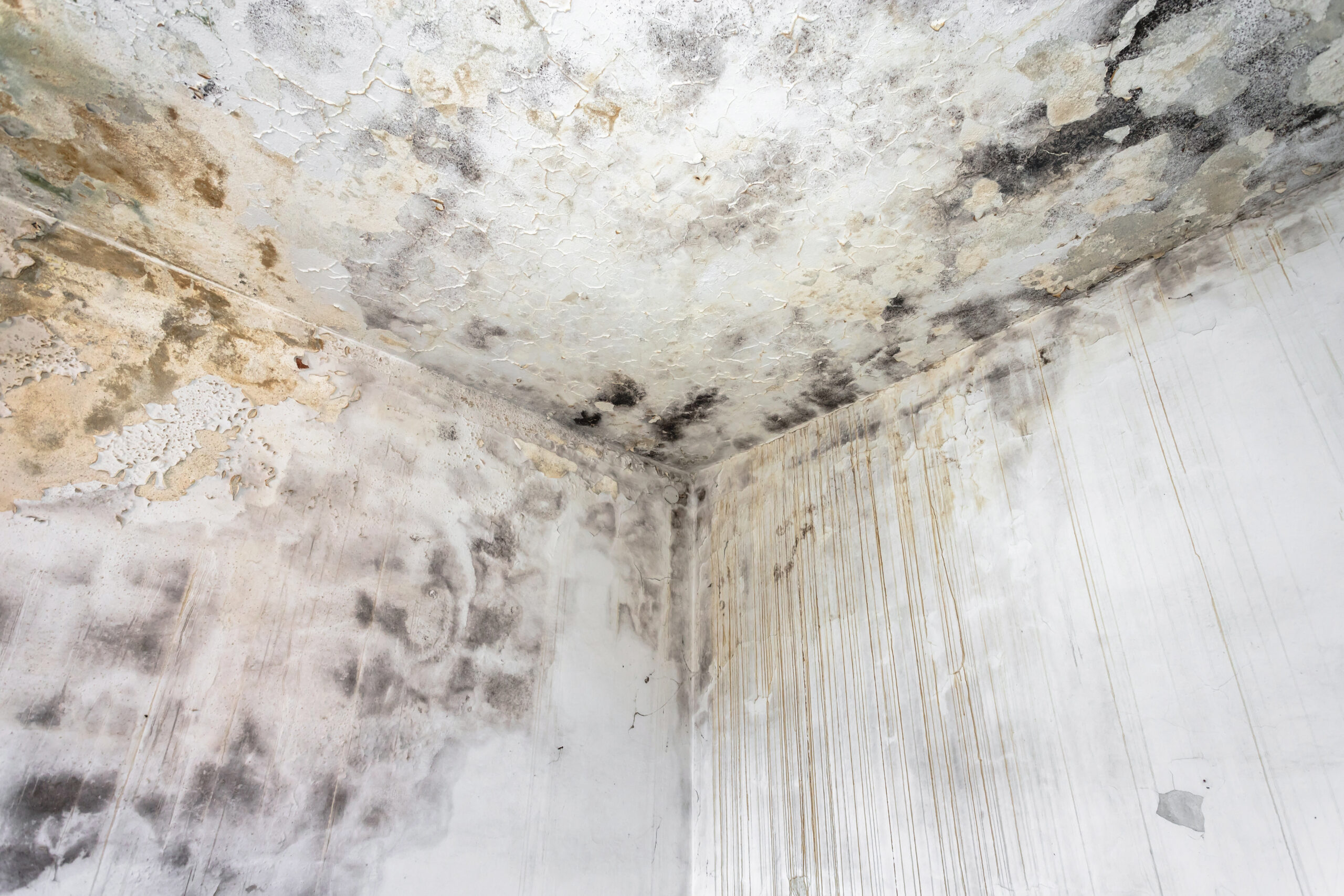
- There’s visible damage to walls, ceilings, or floors
- The mould is growing on porous materials (plasterboard, insulation, carpets)
- You detect a strong, persistent musty odour
- There are signs of structural damp or leaks
- Household members are experiencing worsening health symptoms
At this stage, the issue is likely deeper than surface-level and requires specialised treatment.
Professional Mould Remediation UK: What to Expect?
When you bring in experts for professional mould remediation UK, you’re not just paying for a deeper clean, you’re investing in a proper solution.
What Professionals Typically Do:
- Conduct a full inspection and moisture assessment
- Identify the root cause (leaks, rising damp, condensation)
- Contain the affected area to prevent spore spread
- Use specialised equipment (HEPA filters, industrial dehumidifiers)
- Safely remove contaminated materials if needed
- Treat surfaces with anti-mould solutions
It’s a far more comprehensive process than a DIY wipe-down, and for larger problems, it’s often the only effective solution.
Understanding the “Threshold” for Professional Help
A simple way to think about it:
- Small, visible, surface-level mould? DIY is fine.
- Hidden, spreading, or structural mould? Call in the experts.
If you find yourself repeatedly cleaning the same patch, it’s a clear sign that the root cause hasn’t been resolved.
Preventing Mould: The Real Long-Term Solution
Once you’ve removed mould, prevention becomes the priority.
1. Improve Ventilation
- Use extractor fans in bathrooms and kitchens
- Open windows regularly
- Keep air vents clear
2. Control Moisture Levels
- Avoid drying clothes indoors (or use a ventilated space)
- Wipe down surfaces after cooking or showering
- Fix leaks promptly
3. Maintain Consistent Heating
Fluctuating temperatures can increase condensation, creating ideal mould conditions.
4. Rearrange Furniture
Keep furniture slightly away from walls to allow airflow, especially external walls.
Common Mistakes to Avoid
Even well-meaning DIY efforts can go wrong.
1. Painting Over Mould
This hides the problem temporarily but doesn’t solve it. The mould will return—often worse.
2. Using the Wrong Products
Bleach works on non-porous surfaces but can be ineffective on porous materials.
3. Ignoring the Cause
Cleaning without fixing moisture issues is a short-term fix at best.
4. Skipping Protective Gear
Not worth the risk, even for small jobs.
The Cost Factor: DIY vs Professional
DIY mould removal is obviously cheaper upfront, but repeated treatments can add up if the problem persists.
Professional remediation may seem costly initially, but it:
- Addresses the root cause
- Prevents recurring issues
- Protects your property value
- Reduces health risks
In many cases, it’s the more cost-effective option in the long run.
A Quick Reality Check
Mould has an uncanny ability to return just when you think you’ve won the battle. It’s a bit like that one cupboard you tidy—only to find it messy again a week later, except this one can affect your health and home.
So while DIY mould removal can absolutely do the trick for minor issues, knowing when to step aside is just as important as knowing how to scrub.
Concluding Thoughts!
Mould Removal doesn’t have to be daunting, but it does require a bit of honesty about what you’re dealing with. Small, surface-level patches? Roll up your sleeves and tackle them safely. Larger, persistent problems? That’s your cue to bring in professional help.
By understanding the risks, using the right protective gear, and recognising the thresholds for professional intervention, you can protect both your home and your health with confidence.
Because at the end of the day, a mould-free home isn’t just about appearances, it’s about creating a cleaner, safer, and more comfortable living space. For more practical, helpful advice like this, do give The Household Daily a follow.