Pest Control is one of those household challenges that tends to arrive uninvited and make itself far too comfortable, far too quickly. One day, your home feels perfectly under control, and the next you’re spotting ants marching across the kitchen worktop or hearing suspicious scratching noises in the walls, never a comforting soundtrack, especially at night.

When pests appear, the immediate question most homeowners face is simple: do you tackle it yourself or call in a professional exterminator? The answer, as it turns out, depends on the type of pest, the severity of the problem, and how keen you are to share your living space with uninvited guests.
Why Pest Control Matters More Than You Think
Pests are more than just a nuisance. Left unchecked, they can cause:
- Damage to property (wiring, insulation, furniture)
- Contamination of food
- Spread of bacteria and allergens
- Structural issues in severe cases
In UK homes, common pests include:
- Ants
- Mice and rats
- Wasps
- Cockroaches
- Bed bugs
Each comes with its own set of challenges, and requires a slightly different approach.
DIY Pest Control: The First Line of Defence
For many homeowners, DIY pest control is the go-to starting point.
Advantages of DIY
- Lower upfront cost
- Immediate action
- Easily accessible products (sprays, traps, powders)
- Suitable for minor infestations
Common DIY Methods
- Ant baits and sprays
- Mouse traps
- Wasp deterrents
- Natural remedies (vinegar, essential oils)
For small-scale issues, these can be surprisingly effective.
DIY Effectiveness by Pest Type
Ants
DIY solutions often work well:
- Bait stations can eliminate colonies over time
- Cleaning and sealing entry points helps prevent return
Verdict: DIY is usually sufficient
Mice
Traps and deterrents can help with one or two intruders.
However:
- Mice reproduce quickly
- They can hide in walls and lofts
Verdict: DIY for minor cases; professional help for larger infestations
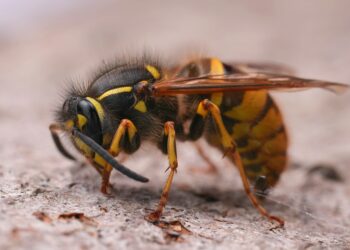
Wasps
DIY sprays may handle small, accessible nests.
But:
- Wasps can become aggressive
- Nests in hard-to-reach areas are risky
Verdict: Proceed with caution; professionals recommended for larger nests
Cockroaches
DIY treatments often fall short:
- Roaches hide in cracks and multiply rapidly
- They’re resistant to many over-the-counter products
Verdict: Professional extermination usually required
Bed Bugs
One of the most stubborn pests.
- DIY methods rarely eliminate them completely
- They spread easily and hide well
Verdict: Professional treatment is almost always necessary
The Limitations of DIY Pest Control
While DIY can be effective, it has its limits.
Common Challenges
- Treats symptoms, not the root cause
- Requires repeated effort
- Limited access to professional-grade products
- Risk of incorrect use
In some cases, DIY attempts can even make the problem worse, particularly if pests are driven deeper into hiding.
Professional Exterminators: What They Offer?
Calling in a professional exterminator can feel like a big step, but it often delivers faster, more reliable results.
What Professionals Do?
- Identify the exact pest species
- Locate entry points and nesting areas
- Use specialised treatments
- Provide long-term prevention advice
It’s a more comprehensive approach compared to DIY methods.
Exterminator Cost UK: What Should You Expect?
The exterminator cost UK varies depending on the pest and severity.
Typical Costs:
- Ant treatment: £100 – £250
- Rodent control: £150 – £400
- Wasp nest removal: £60 – £150
- Cockroach treatment: £200 – £500
- Bed bug treatment: £300 – £1,000+
While this is more expensive than DIY, it often resolves the issue more quickly and thoroughly.
Effectiveness: DIY vs Professional
DIY
- Works well for minor infestations
- May require multiple attempts
- Less effective for hidden or widespread pests
Professional
- Higher success rate
- Faster results
- Addresses root causes
- Reduces likelihood of recurrence
In short, professionals tend to be more effective, especially for serious infestations.
Safety Considerations
DIY Safety
- Risk of exposure to chemicals
- Incorrect use can be harmful
- Potential danger with aggressive pests (e.g., wasps)
Professional Safety
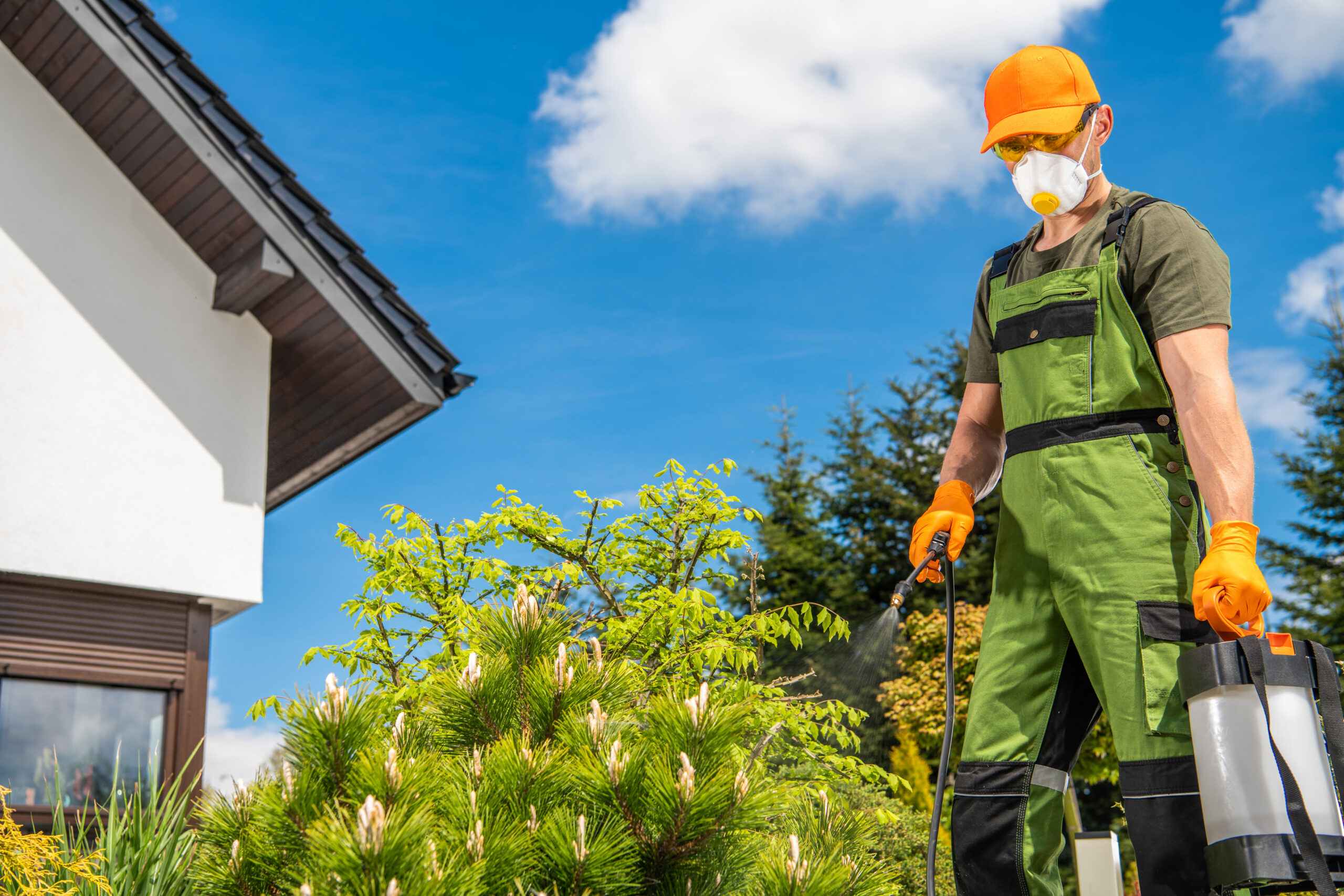
- Trained in safe handling of pesticides
- Use regulated, approved treatments
- Minimise risk to occupants and pets
If safety is a concern, particularly in homes with children or pets, professional services offer added peace of mind.
Recurrence Prevention: The Real Goal
Getting rid of pests is only half the battle. Keeping them away is where the real success lies.
DIY Prevention Tips
- Seal cracks and entry points
- Store food in airtight containers
- Maintain cleanliness
- Fix leaks and reduce moisture
Professional Prevention
- Detailed inspection of the property
- Identification of vulnerabilities
- Tailored prevention strategies
Professionals don’t just remove pests, they help ensure they don’t come back.
When Should You Call a Professional?
It’s time to call an exterminator if:
- The infestation is large or spreading
- DIY methods haven’t worked
- You’re dealing with high-risk pests (bed bugs, cockroaches)
- There are health or safety concerns
- The source of the problem is unclear
In these cases, delaying professional help can make the situation worse, and more expensive.
A Balanced Approach: DIY First, Then Professional
For many homeowners, the best strategy is a combination:
- Start with DIY for minor issues
- Monitor the situation
- Call professionals if the problem persists
This approach balances cost and effectiveness.
Common Mistakes to Avoid
1. Ignoring Early Signs
A small problem can quickly become a big one.
2. Using Too Many Products
Mixing treatments can be ineffective, or even dangerous.
3. Focusing Only on Visible Pests
The real issue is often hidden.
4. Delaying Professional Help
Waiting too long can increase costs and damage.
Final Thoughts!
Pest Control is all about choosing the right approach for the situation. DIY solutions can be effective for minor issues and offer a cost-saving starting point, but professional exterminators provide a more thorough, long-lasting solution, especially for persistent or complex infestations.
By understanding the effectiveness of each method based on pest type, considering safety factors, and focusing on recurrence prevention, you can protect your home with confidence and avoid repeat unwelcome visits.
Because ultimately, a pest-free home isn’t just about comfort, it’s about health, safety, and peace of mind. And if you found this guide helpful, do give The Household Daily a follow for more practical advice, smart solutions, and everyday tips to keep your home running smoothly.