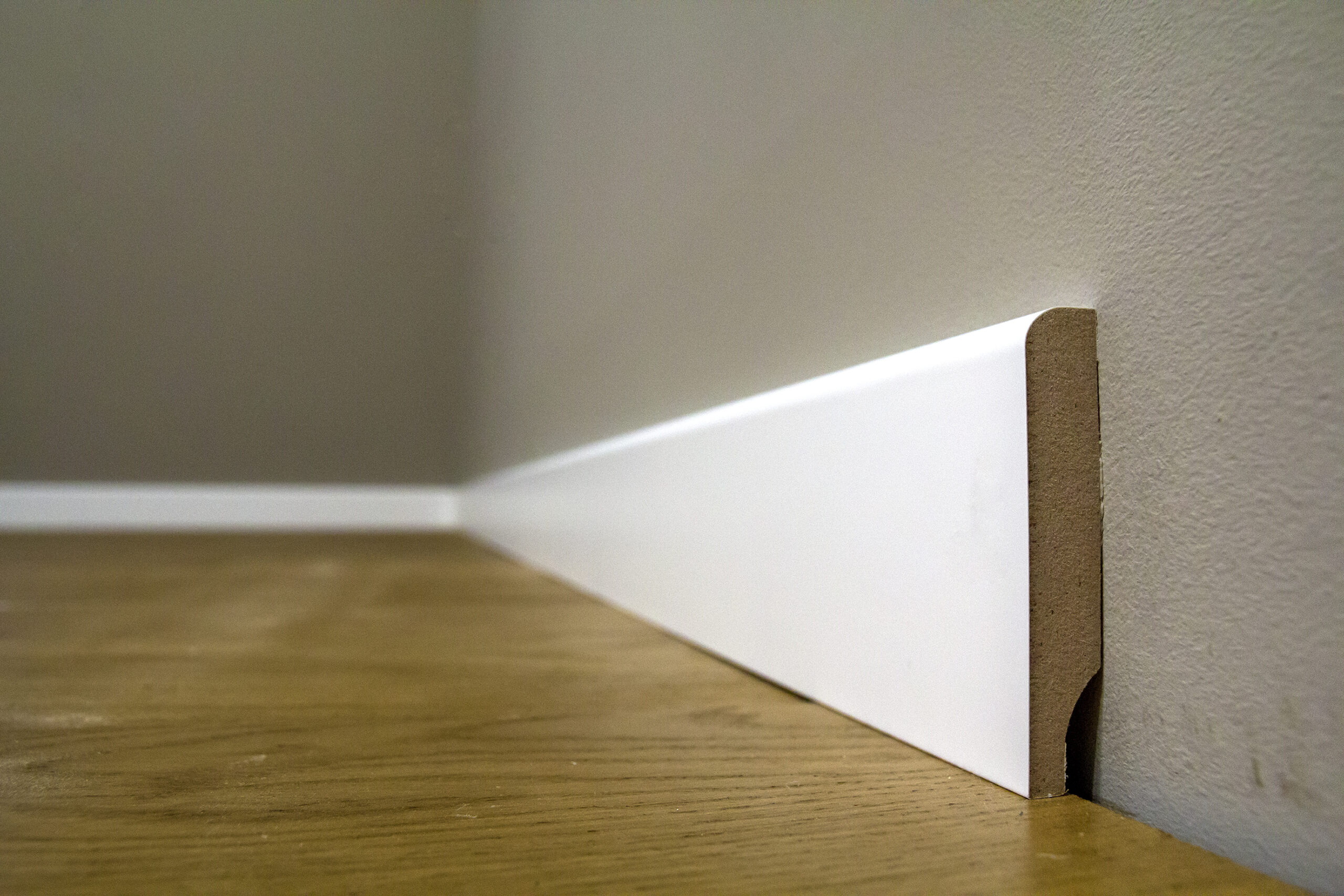
Skirting Board Damage is one of those quiet household issues you don’t always notice, until you do, and suddenly those scuffed, chipped edges seem to follow you from room to room like an uninvited guest.

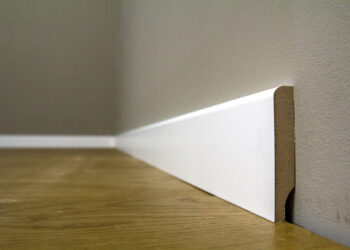
Often overlooked, skirting boards play a surprisingly important role in your home. They protect walls from knocks, cover unsightly joins, and add a neat finishing touch to any room. But because they sit at ground level, prime territory for hoovers, shoes, pets, and the occasional rogue piece of furniture, they’re also prone to damage.
The good news? Not all skirting board damage calls for a full replacement. With the right approach, many issues can be repaired easily and affordably. In this guide, we’ll walk you through common types of damage, when to repair versus replace, and what you can expect in terms of skirting board replacement cost in the UK.
Why Skirting Boards Matter?
Before diving into repairs, it’s worth understanding why skirting boards deserve a bit of attention:
- They protect walls from everyday wear and tear
- They hide gaps between walls and flooring
- They improve insulation and reduce draughts
- They add a decorative finish to your interiors
Neglected skirting boards can make even a well-decorated room look tired—so a little upkeep goes a long way.
Common Types of Skirting Board Damage
Not all damage is created equal. Identifying the type of issue you’re dealing with will help you decide whether a quick fix or a full replacement is needed.
1. Scuffs and Surface Marks
Cause:
Everyday foot traffic, vacuum cleaners, furniture movement.
What it looks like:
Light scratches, dull patches, or marks on painted surfaces.
Fix:
Usually cosmetic, sand lightly and repaint.
2. Chips and Dents
Cause:
Accidental knocks from furniture, toys, or overenthusiastic cleaning.
What it looks like:
Small chunks missing or indentations in the wood.
Fix:
Wood filler, sanding, and repainting can restore the surface.
3. Cracks and Splits
Cause:
Ageing wood, impact damage, or poor installation.
What it looks like:
Visible cracks along the length or at joints.
Fix:
Minor cracks can be filled; larger splits may require section replacement.
4. Water Damage
Cause:
Leaks, spills, or high humidity (especially in kitchens and bathrooms).
What it looks like:
Swelling, warping, or discolouration.
Fix:
Often requires replacement if the structure is compromised.
5. Rotting Skirting Boards
Cause:
Prolonged exposure to moisture.
What it looks like:
Soft, crumbling wood with possible mould growth.
Fix:
Replacement is usually necessary.
6. Loose or Detached Boards
Cause:
Age, poor fixing, or wall movement.
What it looks like:
Gaps between the board and wall or floor.
Fix:
Re-secure with nails or adhesive.
Repair vs Replace: How to Decide?
One of the most common dilemmas homeowners face is whether to repair damaged skirting boards or replace them entirely.
When to Repair
Repair is usually the best option if:
- Damage is minor or localised
- The board is structurally sound
- You’re on a tight budget
- You want a quick fix
Small cosmetic issues can often be sorted in an afternoon with basic tools.
When to Replace
Replacement makes more sense if:
- Damage is extensive or widespread
- Boards are warped or rotting
- You’re renovating the room
- You want to upgrade the style
In some cases, trying to repair heavily damaged boards can be more effort than it’s worth.
DIY Skirting Board Repairs: Step-by-Step
If you’re handy and fancy saving a bit on labour costs, many repairs can be tackled yourself.
Tools and Materials You’ll Need
- Sandpaper or electric sander
- Wood filler
- Putty knife
- Caulk (decorator’s sealant)
- Paint or varnish
- Hammer and nails or adhesive
- Utility knife
Repairing Scuffs and Minor Damage
- Clean the area thoroughly
- Lightly sand the surface
- Apply paint or touch-up finish
- Allow to dry
Fixing Chips and Dents
- Fill the damaged area with wood filler
- Smooth with a putty knife
- Let it dry completely
- Sand until flush with the surface
- Paint or varnish to match
Sealing Gaps
- Apply decorator’s caulk along gaps
- Smooth with a damp finger or tool
- Allow to dry before painting
Reattaching Loose Boards
- Remove old nails or adhesive
- Apply fresh adhesive or reposition nails
- Press firmly into place
- Fill any visible gaps or holes
Replacing Skirting Boards: What’s Involved?
If repair isn’t enough, replacement may be the better route.
The Basic Process
- Remove old skirting boards carefully
- Prepare the wall surface
- Measure and cut new boards
- Fix boards using adhesive or nails
- Fill gaps and joints
- Sand and paint for a finished look
Choosing the Right Material
- MDF skirting boards
Affordable, smooth finish, easy to paint - Softwood (pine)
Traditional option, can be stained or painted - Hardwood (oak, walnut)
Durable and premium, but more expensive
Each has its pros and cons, depending on your budget and style preferences.
Skirting Board Replacement Cost in the UK
The skirting board replacement cost varies depending on several factors:
Average Costs
- Materials: £5–£15 per metre (MDF or softwood)
- Labour: £150–£300 per day
- Full room replacement: £200–£600+
Factors Affecting Cost
- Room size
- Type of material
- Complexity of installation
- Location (London tends to be higher)
- Removal of old boards
While DIY can save on labour, professional installation ensures a cleaner, more polished finish.
Hiring a Professional: Is It Worth It?
If you’re short on time or confidence, hiring a professional carpenter or decorator can be a wise investment.
Benefits
- Precise cuts and fitting
- Faster completion
- Professional finish
- Less hassle
When to Call a Professional
- Large-scale replacements
- Uneven walls or floors
- High-end materials
- Detailed or decorative profiles
Preventing Future Skirting Board Damage
Once your skirting boards are sorted, a bit of maintenance can keep them looking their best.
Practical Tips
- Use furniture pads to prevent knocks
- Be mindful when vacuuming
- Wipe down regularly to avoid build-up
- Fix leaks promptly
- Maintain paint or sealant
Style Upgrade: Turning Damage into Opportunity
Sometimes, damage can be a blessing in disguise. If you’re replacing skirting boards, it’s a great opportunity to upgrade your home’s look.
Popular Styles in UK Homes
- Torus – classic and versatile
- Ogee – elegant with curves
- Square edge – modern and minimal
A simple change in skirting style can subtly transform a room.
DIY vs Professional: A Quick Comparison
| Factor | DIY Repair/Replace | Professional Service |
|---|---|---|
| Cost | Low | Moderate |
| Time | 1–3 days | 1 day (average) |
| Skill Level | Basic to moderate | Expert |
| Finish Quality | Variable | High |
| Risk of Errors | Higher | Lower |
Final Thoughts!
Skirting board damage might not be the most glamorous home issue, but it’s one that can quietly affect the overall look and feel of your space. Whether it’s a few scuffs from everyday life or more serious wear from moisture or impact, addressing the problem promptly can make a noticeable difference.
For minor issues, DIY repairs are often quick, cost-effective, and surprisingly satisfying. But when damage is extensive—or you’re aiming for a flawless finish, replacement and professional help may be the better choice.
After all, skirting boards might sit at the bottom of your walls, but they play a top-tier role in keeping your home looking polished and well cared for.
For more practical home advice and clever repair tips, be sure to follow The Household Daily, your trusted companion for keeping every corner of your home in tip-top shape.