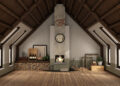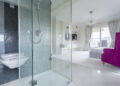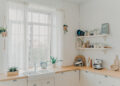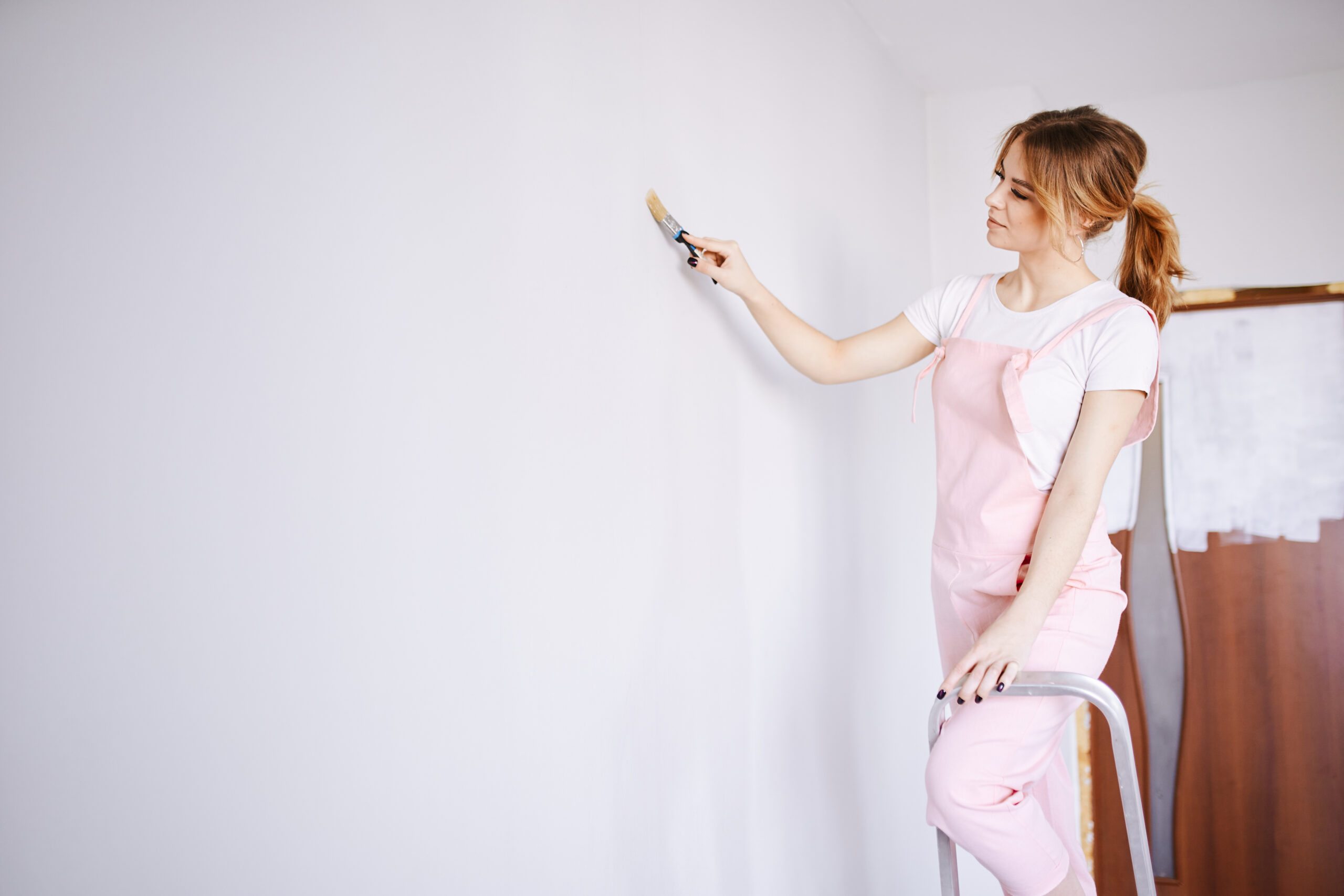
Painting & Decorating projects often begin with great enthusiasm, a handful of paint swatches, and the belief that “it’ll only take a weekend.” Several paint-splattered jumpers and one questionable ladder decision later, many homeowners start wondering whether they accidentally signed up for an endurance sport instead. Yet despite the chaos that sometimes accompanies decorating projects, repainting rooms remains one of the most effective and affordable ways to refresh a home, improve comfort, and even increase property value.

The challenge is knowing where to begin.
When budgets, time, or energy are limited, choosing the right rooms to tackle first makes a huge difference. Some spaces offer significantly better return on investment than others, both financially and practically. Kitchens, hallways, and bedrooms tend to provide the biggest visual impact and daily lifestyle improvement, making them smart starting points for homeowners looking to update their homes strategically.
Good painting and decorating choices are not simply about following trends. They are about creating spaces that feel brighter, cleaner, calmer, and more enjoyable to live in. And unlike knocking down walls or replacing entire kitchens, painting is one of the few home upgrades capable of transforming a room without requiring a second mortgage or advanced engineering qualifications.
With the right planning, sensible colour choices, and realistic expectations about how much masking tape one household can emotionally tolerate, painting and decorating can genuinely revitalise a home.
Why Painting and Decorating Still Offers Excellent Value?
Home improvement costs across the UK have risen steadily in recent years, making large renovations less accessible for many households. Painting and decorating remain popular because they deliver visible results without enormous expense.
Fresh paint can:
- Brighten dark spaces
- Make rooms feel larger
- Modernise tired interiors
- Cover wear and tear
- Improve first impressions
- Increase buyer appeal
- Refresh mood and atmosphere
Even relatively small decorating updates can dramatically improve how a home feels day to day.
There is also psychological value involved. Living in freshly decorated spaces often creates a sense of renewal and motivation. Suddenly, rooms feel cleaner, calmer, and strangely more organised, even if one drawer remains full of tangled chargers and mystery batteries.
Which Rooms Should You Paint First?
Not all rooms provide equal return on investment.
Some spaces experience heavier wear and tear, greater visibility, or stronger influence on property value. Prioritising these rooms first allows homeowners to maximise both visual improvement and practical impact.
The best rooms to tackle first are usually:
- Hallways
- Kitchens
- Bedrooms
- Living rooms
- Bathrooms
Each serves a different purpose within the home and offers unique decorating opportunities.
Hallways: The Most Overlooked High-Impact Space
Hallways rarely receive the excitement reserved for kitchens or living rooms, yet they are one of the most important areas to decorate first.
Why?
Because hallways create the first impression of the entire home.
Whether welcoming guests or simply returning from work each day, the hallway sets the tone immediately. Dark walls, scuffed paintwork, or worn skirting boards can make even well-maintained homes feel tired.
Hallways also endure heavy traffic.
They regularly suffer from:
- Shoe scuffs
- Finger marks
- Bag scrapes
- Pet damage
- General wear
A fresh coat of durable paint can dramatically improve the appearance of these high-use areas.
Best Colours for Hallways
Hallways benefit from lighter tones because many UK homes have narrow or dim entrance spaces.
Popular choices include:
- Warm whites
- Soft greys
- Sage green
- Light beige
- Cream tones
Lighter shades help reflect natural light and create a more spacious feeling.
Durable washable paint is especially worthwhile in busy family homes.
Kitchens: Small Changes, Big Results
Kitchens remain one of the best rooms to prioritise because they strongly influence both daily life and property value.
Fortunately, painting and decorating can improve kitchens significantly without requiring full renovations.
Simple updates may include:
- Repainting walls
- Refreshing cabinets
- Updating tiles
- Replacing handles
- Brightening ceilings
- Adding feature colours
Kitchen painting projects often deliver excellent return on investment because buyers and homeowners alike pay close attention to these spaces.
Even older kitchens can appear fresher and more modern with careful decorating.
Cabinet Painting: A Budget-Friendly Transformation
Replacing kitchen cabinets is expensive. Painting them is considerably cheaper and often surprisingly effective.
Popular cabinet colours currently include:
- Soft navy
- Sage green
- Warm white
- Charcoal grey
- Dusty blue
Cabinet painting requires patience and proper preparation, but results can feel almost transformative.
Although admittedly, the “quick weekend cabinet refresh” seen online sometimes overlooks the reality that sanding cupboards for six hours is less glamorous than social media suggests.
Best Paint Finishes for Kitchens
Kitchens require durable, wipeable finishes capable of handling:
- Steam
- Grease
- Moisture
- Frequent cleaning
Eggshell, satin, or specialist kitchen paints generally work best.
Bedrooms: Creating Calm and Comfort
Bedrooms deserve early decorating attention because they directly affect relaxation and sleep quality.
Many people underestimate how strongly colours, lighting, and surroundings influence mood. Freshly painted bedrooms often feel calmer, cleaner, and more restful almost immediately.
Unlike hallways or kitchens, bedrooms allow greater flexibility for personal style.
Popular bedroom paint colours include:
- Soft neutrals
- Earthy greens
- Dusty pinks
- Warm taupe
- Muted blues
The goal is usually comfort rather than dramatic impact.
Why Bedrooms Offer Excellent ROI?
Decorated bedrooms improve:
- Daily comfort
- Relaxation
- Perceived cleanliness
- Property presentation
- Guest impressions
Well-decorated bedrooms also help homes appear better maintained overall.
This matters particularly for homeowners preparing properties for sale.
Living Rooms: The Heart of the Home
Living rooms naturally attract attention because they are central gathering spaces for:
- Relaxation
- Entertaining
- Family time
- Television viewing
- Everyday living
Painting and decorating these areas can dramatically improve overall home atmosphere.
Because living rooms are used so frequently, tired paintwork becomes noticeable quickly.
Feature Walls: Still Worth Considering?
Feature walls continue dividing opinion.
Done carefully, they can add:
- Warmth
- Depth
- Personality
- Architectural interest
However, overly bold feature walls may date more quickly.
Subtle earthy tones, textured finishes, or muted colours tend to age better than extremely bright statement shades.
A neon orange wall may feel adventurous initially. By month three, however, it can begin emotionally interrogating everyone who enters the room.
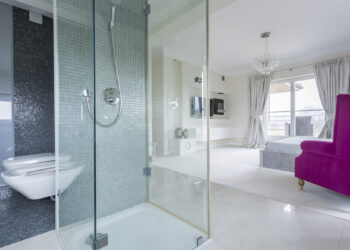
Bathrooms: Small Spaces With Big Impact
Bathrooms may be compact, but decorating improvements make significant visual differences.
Fresh paint, updated accessories, and improved lighting can modernise bathrooms without requiring complete renovations.
Moisture-resistant paint is essential here due to humidity levels.
Bathroom Decorating Priorities
Focus on:
- Mould-resistant paint
- Improved lighting
- Fresh sealant
- Updated mirrors
- Neutral colour schemes
Bathrooms benefit greatly from clean, bright finishes that maximise the feeling of space.
Should You Decorate Before Selling a Home?
Absolutely.
Painting and decorating are among the most cost-effective pre-sale improvements available.
Fresh neutral paint helps:
- Increase buyer appeal
- Create cleaner presentation
- Make rooms feel larger
- Improve photography for listings
- Suggest good maintenance
Estate agents frequently recommend repainting tired rooms before marketing properties.
Neutral colours generally work best for resale because they allow buyers to imagine their own belongings within the space.
Home Painting Tips
Decorating becomes significantly less stressful with proper preparation.
Some genuinely useful home painting tips include:
Test Paint Samples Properly
Paint colours change depending on:
- Natural light
- Artificial lighting
- Room orientation
- Time of day
Always test samples directly on walls before committing.
Buy Better Paint
Cheaper paint often requires more coats and produces weaker coverage.
Mid-range or premium paint usually saves time overall.
Prepare Surfaces Thoroughly
Good preparation matters more than people realise.
Proper prep includes:
- Filling cracks
- Sanding rough areas
- Cleaning walls
- Removing dust
- Using primer where needed
Skipping preparation usually creates disappointing results later.
Use Painter’s Tape Carefully
Good masking dramatically improves finished edges.
Although removing tape perfectly without peeling paint sometimes feels like a highly specific form of emotional gambling.
Start With Smaller Rooms
If inexperienced, begin with less demanding spaces before tackling large open-plan areas.
Confidence improves quickly with practice.
DIY Decorating vs Hiring Professionals
Many homeowners debate whether to paint themselves or hire decorators.
Both options have advantages.
DIY Decorating Pros
- Lower cost
- Flexible timing
- Personal satisfaction
- Creative control
DIY Decorating Cons
- Time-consuming
- Physically tiring
- Messy
- Requires equipment
- Quality varies by skill level
Professional Decorating Pros
- Faster results
- Cleaner finishes
- Expert preparation
- Less stress
- Better durability
Professional Decorating Cons
- Higher cost
- Scheduling required
- Less direct involvement
Professional decorators often become worthwhile for:
- Large properties
- High ceilings
- Extensive damage repair
- Time-sensitive projects
- Premium finishes
How Much Does Painting and Decorating Cost in the UK?
Costs vary depending on:
- Room size
- Paint quality
- Labour rates
- Surface condition
- Property location
Typical UK decorating prices may include:
- £200–£500 for small rooms
- £500–£1,500 for larger rooms
- £2,000+ for whole-home redecorating
DIY painting naturally reduces labour costs but still requires budgeting for:
- Paint
- Rollers
- Brushes
- Dust sheets
- Tape
- Sandpaper
- Primer
- Fillers
Colour Trends vs Timeless Choices
Trends can be inspiring, but timeless decorating usually offers better long-term satisfaction.
Current UK colour trends include:
- Earthy greens
- Warm neutrals
- Terracotta
- Deep blues
- Soft clay tones
However, homeowners should prioritise:
- Natural light
- Existing furniture
- Room size
- Personal comfort
A colour that looks beautiful online may feel completely overwhelming in everyday life.
Practicality matters just as much as aesthetics.
The Emotional Effect of Freshly Decorated Spaces
One reason painting projects feel so rewarding is because visual surroundings strongly affect mood.
Freshly painted rooms often create feelings of:
- Calm
- Cleanliness
- Productivity
- Comfort
- Fresh starts
This is particularly valuable during stressful periods or seasonal transitions.
Small home improvements can genuinely improve daily wellbeing.
Even simple changes like brighter walls or refreshed woodwork can make homes feel more welcoming and enjoyable.
Start With the Rooms That Matter Most
Painting and decorating projects become far more manageable when approached strategically.
Rather than attempting entire-home transformations immediately, homeowners often achieve better results by prioritising high-impact spaces first.
Hallways improve first impressions.
Kitchens increase practical value.
Bedrooms enhance comfort.
Living rooms improve atmosphere.
Bathrooms refresh daily routines.
These rooms provide some of the strongest return on investment both financially and emotionally.
Most importantly, decorating should improve how your home feels to live in, not simply how it photographs online. A beautifully decorated home does not need perfection. It simply needs warmth, personality, comfort, and spaces that genuinely work for everyday life.
And if your “quick painting project” somehow leaves one random wall unfinished for three weeks, congratulations, you are officially participating in authentic British DIY culture.
For more smart home painting tips, decorating inspiration, and practical household advice, be sure to follow The Household Daily, where home life gets brighter, calmer, and a little less chaotic one room at a time.