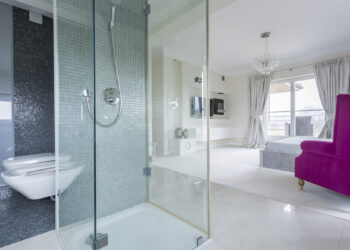
Home Extensions have become one of the UK’s favourite answers to the eternal property dilemma: move house or make the current one work harder. With rising house prices, stamp duty costs, and the emotional exhaustion of packing up seventeen mugs nobody remembers buying, many homeowners are choosing to improve rather than relocate. Adding extra space can transform daily life, but when it comes to property value, not every extension delivers the return people expect.

Some extensions can significantly increase resale value and improve how a home functions. Others, unfortunately, become expensive cautionary tales involving oversized rooms, awkward layouts, and budgets that mysteriously doubled halfway through construction. Understanding what genuinely adds value and what does not can help homeowners avoid costly mistakes and make smarter renovation decisions.
The key is not simply building bigger. The most successful home extensions improve practicality, flow, and buyer appeal while complementing the existing property. In today’s competitive housing market, thoughtful design often matters far more than sheer square footage.
Why Home Extensions Remain So Popular?
Space is one of the most valuable features in UK homes. As families grow, working from home becomes more common, and lifestyles evolve, many properties start feeling smaller than they once did.
A well-designed extension can provide:
- Larger kitchens
- Extra bedrooms
- Home offices
- Additional bathrooms
- Open-plan living
- Better storage
- Improved natural light
For many homeowners, extending feels more sensible than moving. Staying put avoids estate agent fees, legal costs, moving stress, and the heartbreak of discovering just how many unnecessary cables one household can accumulate over a decade.
Extensions can also modernise older homes and improve functionality without sacrificing location or community ties.
Do Home Extensions Increase Property Value?
In many cases, yes. Extensions often increase property value by adding usable living space and improving buyer appeal. However, the amount of value added depends heavily on:
- Extension type
- Build quality
- Local market demand
- Property layout
- Planning compliance
- Overall design
The best extensions feel natural and integrated rather than obviously “added on”.
A successful extension should improve the property as a whole rather than create imbalance. Buyers want homes that flow well and feel practical, not layouts that resemble a maze designed by someone holding blueprints upside down.
Understanding Extension Planning UK Considerations
Before beginning any project, homeowners must think carefully about extension planning UK rules and practicalities.
Some extensions fall under permitted development rights, while others require full planning permission. Factors influencing approval may include:
- Extension size
- Height
- Proximity to boundaries
- Conservation areas
- Listed building status
- Impact on neighbours
Ignoring planning requirements can create serious problems later during property sales or refinancing.
Good planning also involves considering:
- Budget
- Structural feasibility
- Drainage
- Access
- Natural light
- Future resale appeal
Careful preparation usually saves money and stress in the long run.
Extensions That Typically Add Value
Certain extension types consistently perform well in terms of both practicality and return on investment.
Kitchen Extensions
Kitchen extensions remain among the most desirable home improvements in the UK.
Why They Add Value?
Modern buyers love spacious kitchens that function as social hubs rather than isolated cooking spaces.
Benefits include:
- Open-plan living
- Better entertaining space
- Increased natural light
- Improved family functionality
- Strong visual appeal
Large kitchen-diners are particularly attractive for family homes.
Bi-fold doors, skylights, and kitchen islands often help create a contemporary feel that buyers appreciate.
Potential Risks
- Overspending on luxury fittings
- Poor layout planning
- Losing too much garden space
An enormous kitchen with nowhere left for outdoor seating may not deliver the expected value boost.
Loft Conversions
Loft conversions are often highly cost-effective because they utilise existing roof space.
Why They Add Value?
Adding an extra bedroom and bathroom can significantly improve property appeal.
Loft conversions work especially well because they:
- Increase bedroom numbers
- Improve functionality
- Maximise unused space
- Often avoid reducing garden size
A well-designed loft suite can transform a standard property into a far more competitive family home.
Potential Risks
- Limited head height
- Poor staircase placement
- Inadequate insulation
Nobody wants guests repeatedly bumping their heads on sloping ceilings like contestants in a low-budget obstacle course.
Single-Storey Rear Extensions
These remain extremely popular across the UK.
Why They Add Value?
Rear extensions can enlarge kitchens, dining areas, and family spaces while improving property flow.
Advantages include:
- Better open-plan living
- Increased natural light
- Modernised layouts
- Enhanced entertaining space
When executed well, rear extensions can dramatically improve everyday living.
Potential Risks
- Overshadowing gardens
- Dark interiors if poorly designed
- Budget overruns
Natural light planning is essential.
Double-Storey Extensions
Double-storey extensions offer substantial additional space.
Why They Add Value?
These projects can add both downstairs living space and upstairs bedrooms or bathrooms.
Benefits include:
- Greater square footage
- Improved family layouts
- Better long-term flexibility
They often provide better value per square metre than separate smaller projects.
Potential Risks
- Higher construction costs
- Greater planning complexity
- Longer build times
Large extensions that dominate neighbouring properties may also create planning difficulties.
Home Offices
Since remote and hybrid working increased, home offices have become more valuable.
Why They Add Value?
Dedicated workspaces help buyers visualise better work-life balance.
Benefits include:
- Flexible usage
- Increased practicality
- Better organisation
- Appeal for professionals
Even compact office spaces can improve buyer interest significantly.
Potential Risks
- Creating awkward small rooms
- Poor lighting or ventilation
A glorified cupboard with a laptop balanced beside the ironing board rarely inspires productivity.
Extensions That Often Don’t Add Much Value
Not every extension delivers strong financial returns. Some projects cost far more than the value they add.
Oversized Conservatories
Conservatories were once extremely fashionable, but buyer preferences have shifted.
Why They May Not Add Value?
Many older conservatories suffer from:
- Temperature extremes
- Poor insulation
- Limited year-round usability
If the space becomes unbearably hot in summer and freezing in winter, buyers may not view it as true living space.
Modern garden rooms and insulated extensions generally perform better.
Overly Personal Luxury Spaces
Features like home cinemas, bars, or elaborate hobby rooms may suit specific homeowners but not wider buyer audiences.
Why They May Struggle?
Highly personalised spaces can:
- Reduce functional flexibility
- Limit appeal
- Feel wasteful to buyers
A property with a giant games room but no practical storage may confuse buyers rather than impress them.
Extensions That Remove Bedrooms
Sacrificing bedrooms to create oversized living spaces can hurt resale value.
Why This Can Backfire?
Bedroom count strongly influences property valuation.
For example:
- Turning a four-bedroom home into a three-bedroom property may reduce market appeal
- Larger families often prioritise bedroom numbers
Balance matters more than sheer room size.
Poorly Designed Side Returns
Side return extensions can work brilliantly when done properly. However, poor design choices sometimes create awkward narrow spaces with limited functionality.
Common Problems
- Insufficient natural light
- Poor room flow
- Wasted floor space
Smart layout planning is essential for narrow extensions.
Garage Conversions Done Badly
Garage conversions can add value when extra living space is genuinely needed. However, in areas where parking is limited, losing secure parking may actually reduce appeal.
Things to Consider
- Local parking availability
- Storage needs
- Buyer expectations
A converted garage may frustrate buyers if there is nowhere practical left to store bicycles, tools, or cars.
Avoiding Costly Mistakes During Extensions
Many extension problems arise from rushed decisions rather than bad intentions.
Mistake 1: Ignoring the Local Market
Not every neighbourhood supports massive renovation budgets.
Over-improving compared to nearby properties may limit returns.
Before extending, homeowners should research:
- Local property values
- Comparable home sales
- Buyer expectations
The nicest extension on the street still has a pricing ceiling if surrounding homes remain far less valuable.
Mistake 2: Poor Budget Planning
Extension costs frequently rise during construction.
Unexpected expenses can include:
- Structural issues
- Drainage problems
- Material price increases
- Electrical upgrades
- Plumbing complications
A contingency budget is essential.
Many experts recommend setting aside at least 10–15% extra for surprises.
And there are nearly always surprises.
Mistake 3: Sacrificing Outdoor Space
Large extensions that eliminate most of the garden can hurt resale appeal.
Families often value outdoor space highly, particularly after recent years when gardens became much more appreciated.
The ideal extension balances indoor improvement with usable outdoor areas.
Mistake 4: Choosing Trendy Over Timeless
Ultra-trendy designs may date quickly.
Neutral, practical, and adaptable spaces usually provide better long-term appeal.
Features that often age well include:
- Natural light
- Simple finishes
- Functional layouts
- Quality materials
Meanwhile, neon-lit cocktail bars in converted dining rooms may not age quite so gracefully.
Mistake 5: Underestimating Disruption
Living through an extension can be stressful.
Noise, dust, delays, and temporary loss of facilities all affect day-to-day life.
Realistic expectations help homeowners prepare mentally and financially.
The Importance of Good Design
The best extensions improve how a property feels, not just its measurements.
Key design priorities include:
- Natural light
- Flow between rooms
- Ceiling height
- Storage
- Ventilation
- Energy efficiency
Extensions should complement the original architecture wherever possible.
A seamless extension generally performs better than one that feels visually disconnected.
Energy Efficiency and Modern Extensions
Modern buyers increasingly value energy-efficient homes.
Extensions can improve efficiency through:
- Better insulation
- High-performance glazing
- Underfloor heating
- Energy-efficient lighting
- Improved ventilation systems
These features can help reduce running costs while improving comfort.
Planning Permission vs Permitted Development
Understanding extension planning UK regulations is crucial before work begins.
Permitted development rights may allow certain extensions without full planning permission, but rules remain strict.
Homeowners should still check:
- Maximum extension dimensions
- Boundary distances
- Roof height restrictions
- Materials
- Local council regulations
Professional advice often prevents expensive legal complications later.
Should You Extend Before Selling?
Some homeowners consider extensions purely to boost resale value.
In many cases, this can work well if:
- The property lacks competitive features
- The extension improves layout balance
- Local buyers actively want extra space
However, rushed renovations shortly before selling can sometimes appear unfinished or poorly executed.
Quality matters more than speed.
Emotional Value Matters Too
Not every extension decision should revolve entirely around property value.
Many homeowners extend because they want:
- More comfort
- Better family living
- Improved routines
- Extra flexibility
- Space for hobbies or work
These lifestyle benefits often matter just as much as financial ROI.
A home that genuinely works for daily life has enormous personal value.
When Moving Might Be Better
Sometimes, extending is not the best solution.
If the required changes involve:
- Extremely high costs
- Severe planning limitations
- Major layout compromises
then moving house may actually make more sense financially and practically.
A good extension enhances a home’s strengths rather than fighting against its limitations.
Final Thoughts
Home extensions can absolutely increase property value when planned thoughtfully and designed with practicality in mind. The most successful projects improve how a home functions while also appealing to future buyers. Kitchen extensions, loft conversions, home offices, and well-balanced rear extensions often provide strong returns, while poorly planned or overly personalised spaces may struggle to justify their costs.
Understanding extension planning UK requirements, maintaining realistic budgets, and avoiding costly mistakes can make the difference between a smart investment and an expensive regret. The goal should never simply be to add more space, but to create better living space that feels natural, functional, and valuable for years to come.
For more practical renovation ideas, smart household advice, and inspiring home improvement tips, be sure to follow The Household Daily.