Wet Room vs Traditional Bathroom debates have become increasingly common across UK homes as homeowners look for stylish, practical ways to upgrade their bathrooms. Some dream of sleek open-plan wet rooms that feel straight out of a luxury spa brochure, while others remain loyal to the classic comfort of a traditional bathroom complete with a proper bath, enclosed shower, and enough dry floor space to avoid accidental skating incidents first thing in the morning.

Both bathroom styles offer advantages, and both come with challenges. The right choice depends on factors such as space, budget, maintenance expectations, household needs, and long-term property plans. What works beautifully in one home may feel impractical in another.
Understanding the differences between wet rooms and traditional bathrooms can help homeowners make smarter renovation decisions while avoiding expensive mistakes. From wet room installation cost considerations to cleaning routines and resale appeal, there is far more involved than simply choosing between tiles and shower screens.
The best bathroom is not necessarily the trendiest one. It is the one that works best for daily life.
What Is a Wet Room?
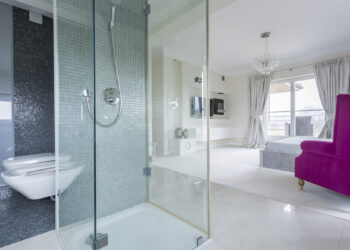
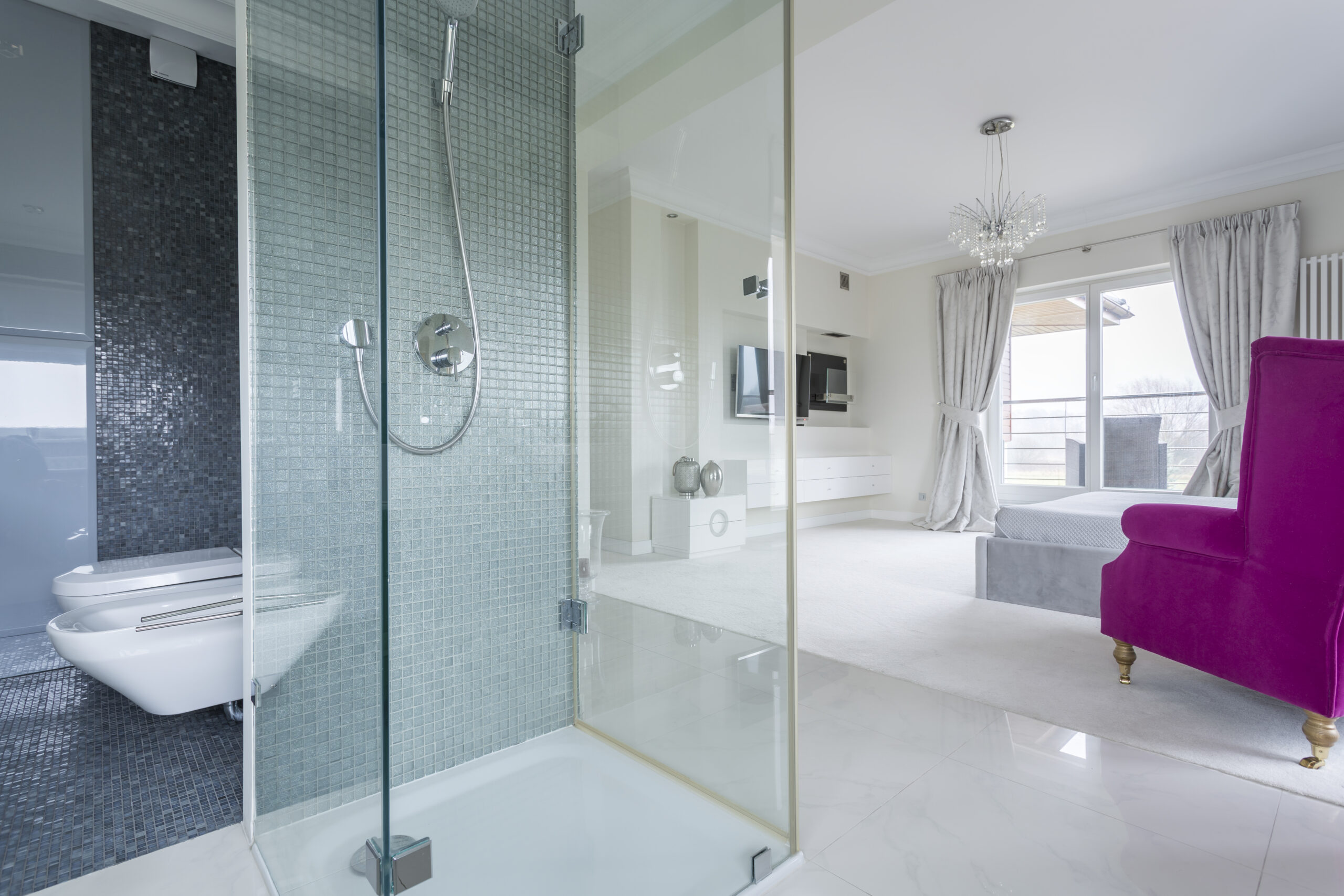
A wet room is a fully waterproofed bathroom where the shower area is level with the floor instead of enclosed within a raised tray or cubicle.
The entire room is designed to handle moisture, with:
- Waterproof flooring
- Specialist drainage
- Tanking systems
- Floor gradients
- Wall tiling or waterproof surfaces
Wet rooms usually feature open-plan layouts and often include minimal barriers or screens.
They are known for their:
- Modern appearance
- Space-saving potential
- Luxury feel
- Accessibility benefits
What Is a Traditional Bathroom?
A traditional bathroom uses separate zones for bathing and showering.
Typical features include:
- Bathtubs
- Shower enclosures
- Shower trays
- Vanity units
- Standard flooring layouts
Traditional bathrooms remain the most common choice in UK homes because they offer flexibility, familiarity, and generally simpler installation.
They also reduce the likelihood of discovering your entire bathroom floor has become unexpectedly damp after a quick shower.
Space Comparison: Which Works Better?
Space is often one of the biggest deciding factors between wet rooms and traditional bathrooms.
Wet Rooms in Small Spaces
Wet rooms can work exceptionally well in compact bathrooms.
Because they remove bulky enclosures and trays, they often create a more open feel.
Benefits in smaller bathrooms include:
- Improved visual space
- Easier movement
- Cleaner layouts
- Better accessibility
Wall-mounted fittings and frameless screens can make even tiny bathrooms feel surprisingly spacious.
Traditional Bathrooms in Larger Homes
Traditional bathrooms tend to suit medium and larger spaces particularly well.
They offer:
- Separate wet and dry zones
- More storage opportunities
- Better flexibility for families
Homes with enough space often benefit from combining:
- Bathtub
- Separate shower enclosure
- Vanity storage
- Additional shelving
Traditional layouts can feel more structured and practical for busy households.
Wet Room Installation Cost vs Traditional Bathroom Costs
One of the biggest differences involves cost.
Wet Room Installation Cost
Wet room installation cost is usually higher than standard bathroom renovation costs because of specialist waterproofing requirements.
Typical UK wet room costs often range between:
- £7,000–£15,000+
Factors affecting price include:
- Room size
- Drainage complexity
- Waterproofing systems
- Tiling
- Underfloor heating
- Structural changes
Professional installation is essential because poor waterproofing can lead to severe leaks and structural damage.
Traditional Bathroom Costs
Traditional bathroom renovations are often more affordable.
Average renovation costs commonly range between:
- £3,000–£10,000
depending on fittings and layout changes.
Because standard bathrooms use enclosed shower systems, installation is generally less complex.
Keeping existing plumbing layouts can also reduce costs significantly.
Why Wet Rooms Cost More?
Wet rooms require additional preparation including:
- Tanking systems
- Waterproof membranes
- Floor levelling
- Specialist drainage slopes
Creating the correct floor gradient for drainage is particularly important.
Even slight installation mistakes can cause water pooling problems.
Nobody wants a luxury spa experience that accidentally turns into indoor paddling.
Maintenance and Cleaning Differences
Maintenance plays a major role in long-term bathroom satisfaction.
Wet Room Maintenance
Wet rooms are often easier to clean because they contain:
- Fewer corners
- Less bulky hardware
- Minimal shower enclosures
There are no shower trays or sliding doors collecting grime.
However, wet rooms require careful ventilation because moisture spreads throughout the entire room.
Without proper airflow, problems may include:
- Condensation
- Damp
- Mould growth
Good extractor fans are absolutely essential.
Traditional Bathroom Maintenance
Traditional bathrooms contain more individual surfaces and fixtures.
Cleaning tasks may involve:
- Shower screens
- Shower trays
- Bath edges
- Grout lines
However, water stays more contained within designated areas.
This often reduces moisture exposure across the rest of the room.
For many households, traditional bathrooms feel slightly easier to manage day-to-day.
Accessibility: Wet Rooms Often Lead
Wet rooms are particularly popular for accessibility improvements.
Benefits include:
- Step-free access
- Easier wheelchair use
- Safer movement
- Reduced trip hazards
This makes wet rooms ideal for:
- Older homeowners
- People with mobility issues
- Future-proofing renovations
Walk-in wet rooms can dramatically improve comfort and independence.
Traditional bathrooms may still work well for accessibility when fitted with:
- Walk-in baths
- Grab rails
- Low-profile shower trays
But wet rooms generally provide smoother access overall.
Which Option Feels More Luxurious?
Luxury perception depends partly on personal taste.
Wet Rooms and Spa-Like Design
Wet rooms often create a sleek contemporary appearance.
Popular luxury features include:
- Rainfall showers
- Large-format tiles
- Underfloor heating
- Frameless glass panels
- Minimalist fittings
The open-plan design creates a boutique hotel atmosphere many homeowners love.
Traditional Bathrooms and Comfort
Traditional bathrooms often feel warmer and more homely.
Features such as:
- Freestanding baths
- Decorative tiles
- Vanity storage
- Cosy layouts
can create a comfortable and timeless atmosphere.
Some people simply enjoy having a proper bath available after long days.
Particularly during British winters when stepping into warm water feels like emotional therapy.
Storage Considerations
Storage is often overlooked during bathroom planning.
Wet Rooms and Minimal Storage
Wet rooms prioritise openness and simplicity.
This sometimes limits storage opportunities.
Clever storage solutions may include:
- Recessed shelving
- Floating vanity units
- Wall niches
Without good planning, clutter can quickly spoil the sleek aesthetic.
Traditional Bathrooms Offer More Flexibility
Traditional bathrooms often allow for:
- Larger vanity units
- Cabinets
- Freestanding furniture
- Additional shelving
Families usually appreciate the extra storage flexibility.
Especially households somehow containing twelve nearly identical shampoo bottles at all times.
Which Is Better for Families?
Traditional bathrooms often suit family homes better.
Reasons include:
- Bathtubs for children
- Better water containment
- Easier multi-person usage
- More storage
Young children generally make baths more practical than fully open wet rooms.
Wet rooms may still work well for smaller households or couples prioritising modern design.
Property Value and Buyer Appeal
Both styles can improve property appeal when executed well.
Wet Rooms and Modern Buyers
Modern buyers often appreciate wet rooms because they:
- Feel luxurious
- Look contemporary
- Improve accessibility
- Maximise small spaces
Wet rooms may especially appeal in:
- City apartments
- Modern homes
- Compact properties
Traditional Bathrooms Remain Broadly Popular
Traditional bathrooms still hold broad market appeal because they suit diverse buyer groups.
Homes retaining at least one bathtub often appeal more strongly to families.
Completely removing all baths from family properties can sometimes hurt resale appeal.
Installation Disruption
Bathroom renovations always involve some disruption.
Wet Room Installation Complexity
Wet room installations usually take longer because of:
- Waterproofing work
- Drainage adjustments
- Floor preparation
Projects may take:
- 2–4 weeks or longer
depending on complexity.
Traditional Bathroom Timelines
Traditional bathrooms are often slightly quicker to install.
Especially if:
- Plumbing remains in place
- Layout changes are minimal
Many projects can finish within:
- 1–3 weeks
Ventilation Is Crucial for Both
Bathrooms produce significant moisture regardless of style.
Good ventilation helps prevent:
- Damp
- Condensation
- Mould
- Peeling paint
Extractor fans remain essential in both wet rooms and traditional bathrooms.
However, wet rooms demand especially strong ventilation because water spreads more freely across the room.
Flooring Differences
Wet Room Flooring
Wet rooms require:
- Non-slip flooring
- Waterproof materials
- Proper drainage gradients
Popular options include:
- Porcelain tiles
- Stone-effect tiles
- Slip-resistant vinyl
Safety becomes especially important in fully wet environments.
Traditional Bathroom Flooring
Traditional bathrooms offer slightly greater flexibility because water exposure is more controlled.
Popular flooring choices include:
- Vinyl
- Ceramic tiles
- Laminate designed for bathrooms
Installation is often simpler and cheaper.
Heating Considerations
Underfloor heating is particularly popular in wet rooms because it:
- Improves comfort
- Speeds floor drying
- Reduces dampness
Traditional bathrooms may also benefit from underfloor heating, though standard radiators and heated towel rails remain common.
Nothing improves cold winter mornings quite like warm bathroom floors.
Which Bathroom Style Ages Better?
Both styles can age well when designed thoughtfully.
Wet Rooms
Timeless wet room design usually involves:
- Neutral colours
- Simple fittings
- Clean lines
Overly trendy finishes may date faster.
Traditional Bathrooms
Classic traditional bathrooms tend to age gracefully when using:
- Neutral tiles
- Quality materials
- Practical layouts
Timeless design generally outperforms extreme trends in both styles.
Which Is Better?
The answer depends entirely on household priorities.
Wet Rooms Are Best For:
- Small bathrooms
- Accessibility needs
- Modern aesthetics
- Luxury spa-style design
- Minimalist interiors
Traditional Bathrooms Are Best For:
- Families
- Larger homes
- Budget-conscious renovations
- Homes needing baths
- Easier water management
Neither option is universally better.
The ideal choice depends on:
- Budget
- Property layout
- Household lifestyle
- Future plans
- Personal taste
Final Thoughts !
The Wet Room vs Traditional Bathroom debate ultimately comes down to balancing practicality, style, maintenance, and budget. Wet rooms offer sleek modern aesthetics, excellent accessibility, and efficient use of space, but they often come with higher wet room installation cost requirements and greater waterproofing complexity. Traditional bathrooms remain versatile, family-friendly, and generally more affordable while still offering plenty of stylish design possibilities.
Careful planning is essential whichever route homeowners choose. Considering space, storage, maintenance, ventilation, and long-term lifestyle needs helps ensure the final bathroom not only looks beautiful but functions comfortably for years to come.
For more smart renovation advice, practical home improvement ideas, and stylish household inspiration, be sure to follow The Household Daily.