Heat rises, and in a house with a thin or patchy layer in the roof space a large share of what the boiler produces leaves through the ceiling. A loft insulation top-up is the cheapest big improvement most UK homes can make, and it is often a morning’s work. This article explains the target depth, how boarding fits in without ruining the result, ventilation, indicative costs, the grants that exist, and whether a handyman or a specialist installer should do it.
What the loft insulation target actually is
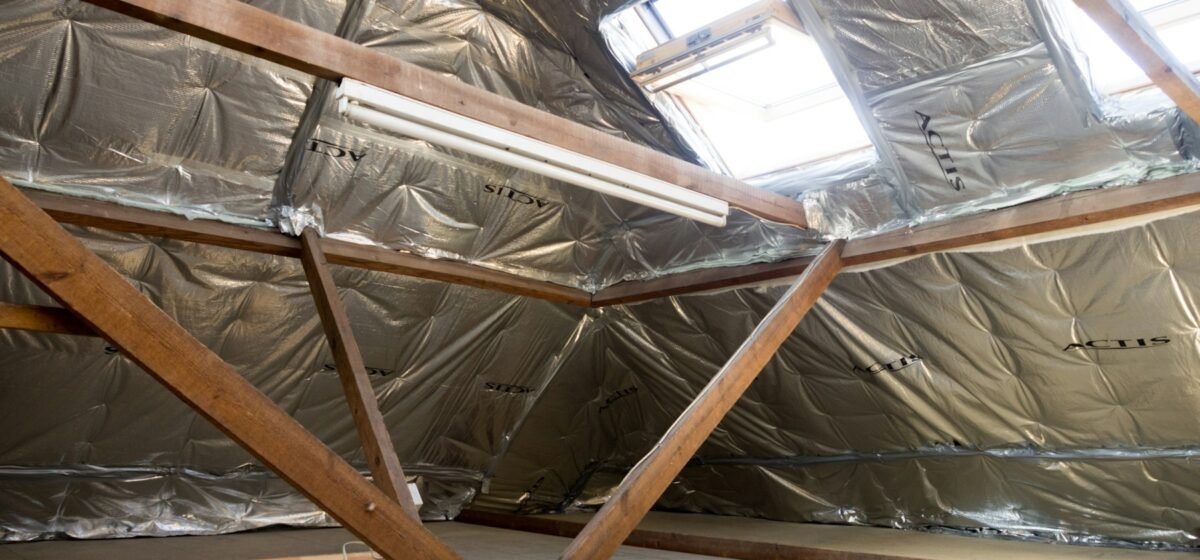
The Energy Saving Trust recommends 270mm of mineral wool for a typical loft. Most homes built before the 1990s started with far less, and many had 100mm laid between the joists in the 2000s under one scheme or another. If you can see the tops of the joists, you are almost certainly below target.
The Energy Saving Trust says a typical semi-detached house can save in the region of £200 to £300 a year compared with having no insulation at all. Treat that as indicative: a top-up from 100mm saves less than starting from nothing, and the figure moves with gas prices. The point stands that few other jobs return their cost as quickly.
Check the depth with a tape measure in three or four places, because old insulation is often uneven. Note where the loft hatch, water tank and any pipework sit, because those need separate attention.
How a top-up is laid
The method is simple. The first layer sits between the joists and the second runs at right angles across them, so the timber itself is covered and does not act as a cold bridge. A competent person follows a short sequence.
- Clear the loft and vacuum heavy dust so the new rolls sit flat on what is already there.
- Check for damp patches, daylight through the tiles, and any old vermiculite or suspicious grey fibrous material. If in doubt about older materials, stop and have them identified.
- Keep insulation clear of recessed downlights unless they are fire-rated and fitted with a protective hood. Overheated downlights are a known fire risk, and Electrical Safety First advises getting an electrician to confirm the fittings before they are covered.
- Lay the second layer across the joists, butted tightly with no gaps and not compressed.
- Insulate the hatch itself with a fitted piece and a draught strip around the frame.
- Lag pipes and the cold water tank, and leave the space under the tank uninsulated so a little warmth from the room below keeps it from freezing.
Mineral wool irritates skin and lungs, so gloves, a mask and goggles are not optional. Long sleeves and a crawl board across the joists stop both itching and feet through the ceiling.
Boarding: do not crush what you just laid
Many people want storage, and this is where top-ups go wrong. Boards screwed straight onto the joists squash 270mm of insulation into 100mm, which roughly halves its value. Loft boarding must not compress the insulation.
The correct approach is raised loft legs, plastic or timber stilts screwed to the joists so the boards sit above the full depth of insulation with an air gap. A timber counter-batten frame does the same job. Leave the eaves clear so air can move. Board only the area you need, usually a walkway from the hatch and a platform for boxes, rather than the whole loft.
Weight matters too. Ceiling joists in older houses were sized for plaster, not for a library. Keep heavy items near the walls and spread the load.
Ventilation and condensation
A well-insulated loft is a cold loft, and cold air holds less moisture. Warm, damp air from bathrooms and kitchens that gets into the roof space will condense on the underside of the felt or the tiles. The symptoms are damp timbers, black spotting on the rafters and a musty smell in winter.
Keep the ventilation path open at the eaves, do not stuff insulation into the gap where the roof meets the wall, and make sure extractor fans vent outside rather than into the loft. If the house has a loft hatch in a bathroom ceiling, a draught seal on it stops the worst of the moist air getting through. Any sign of mould or a damp roof deck means a roofer or a surveyor rather than a handyman.
Costs and grants
Insulation rolls are cheap relative to the result. Indicative material costs for a three-bedroom semi run from about £150 to £300 depending on the depth being added. Labour for a handyman sits at an indicative day rate of £150 to £280, so a straightforward top-up comes in around £300 to £600 all in, more in London and the south east and more again if raised boarding is wanted. A specialist installer may charge a similar total and will usually finish faster. For the wider picture on rates, see how much a handyman charges per hour.
Help exists. The Great British Insulation Scheme and the Energy Company Obligation, both run through energy suppliers and listed on gov.uk, can cover loft insulation for households on certain benefits or in lower council tax bands with poor energy ratings. Eligibility changes, so check the current rules before paying for anything yourself.
Can a handyman do loft insulation, and when to call a professional
For a dry, accessible loft with a standard pitched roof, no recessed lights and simple services, a handyman with the right kit can lay a loft insulation top-up and fit raised boarding to a good standard. It is a common item among the seasonal handyman jobs that get booked once the clocks go back, and our handyman service hub covers what else falls within the trade.
Use a specialist installer, and get the electrics checked first, where there are downlights, old rubber or fabric-covered cable, a flat or room-in-roof construction, any damp, or any older material you cannot identify. Those are not odd jobs.
If you want this done properly before the cold sets in, send the details to the free help desk at thehouseholddaily.com/request-help. The team reviews each enquiry and confirms availability and credentials before anything is agreed. Nothing is booked until the team confirms.
Questions people ask
How thick should loft insulation be in the UK?
The Energy Saving Trust recommends a total depth of 270mm of mineral wool for a typical loft. Older homes often have 100mm or less, laid between the joists years ago. A top-up adds a second layer across the joists to reach the target. Thicker is not harmful, but beyond 270mm the extra saving per roll becomes small.
Can I board my loft straight on top of the insulation?
No. Boards laid directly onto 270mm of insulation squash it down to the joist depth and roughly halve its performance. The accepted method is raised loft legs or a timber frame fixed to the joists, with boards on top and the insulation left at full depth underneath. Leave an air gap between the insulation and the boards.
Is a loft insulation top-up a handyman job?
For a simple, accessible loft with no downlights, no complicated services and a standard cold roof, yes, a competent handyman can lay rolls and fit raised boarding. Where there are recessed lights, old wiring, a flat roof, damp, or any sign of condensation, use an insulation installer and have the electrics checked first.
How much does it cost to top up loft insulation?
For a typical three-bedroom semi, indicative totals run from about £300 to £600 for materials and labour on a top-up, more in London and the south east. Raised boarding for storage adds to that. The Energy Saving Trust puts the saving at roughly £200 to £300 a year against an uninsulated loft, so a top-up often pays back within a few winters.
Ready to take the next step?
Tell the household desk what has happened, where you are and when you need help. We will review it and explain your options.
Describe your job →Guidance is general and refers to the authority that sets each rule. Costs are indicative ranges; always get written quotes. Trade availability and credentials are confirmed when you enquire.