
Electrical
Electrical faults deserve particular care. Understand common warning signs, basic household safety and the information an appropriately qualified electrician will need before attending. Do not attempt unsafe electrical repairs yourself.
Ask for help →Tell us about your job
Describe the problem, share your postcode and the household desk can review your enquiry.
How the desk works →Services and common household jobs
Pick the job that matches what is happening and the desk takes it from there. Not sure which? Ask about any of them.
Electrical guides
Costs, emergencies, how to choose a trade, seasonal timing and what landlords and tenants are each responsible for.
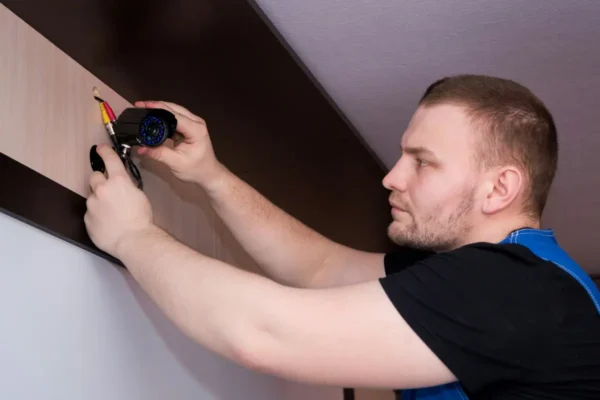 Electrical · Birmingham
How much do electricians charge per hour in Birmingham: a cost guide
Indicative hourly rates and job prices for electrical work in Birmingham, what pushes a quote up in the city's older housing, and how to…
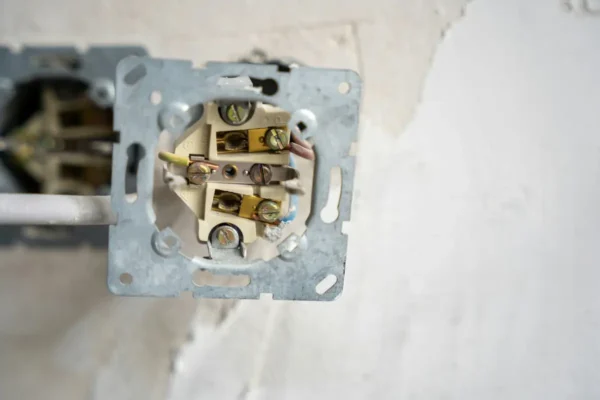 Electrical · Manchester
Emergency electrician in Manchester: what to do in the first hour
What to do in the first minutes of an electrical emergency in a Manchester home, how to tell a power cut from a fault,…
 Electrical · London
How to choose an electrician in London: checks and red flags
The word electrician is not protected. Here is how to check registration, qualifications and insurance before you book in London, and the warning signs…
 Electrical · Croydon
Before you call an electrician in Croydon: safe checks to do first
Many electrical call-outs end with a reset or an unplugged appliance. Here are the checks a Croydon householder can safely make first, and the…
 Electrical · Bromley
Local electrician in Bromley: autumn and winter electrical checks
Electrical faults cluster in the cold months. What to check in a Bromley home as the clocks go back, what to leave to a…
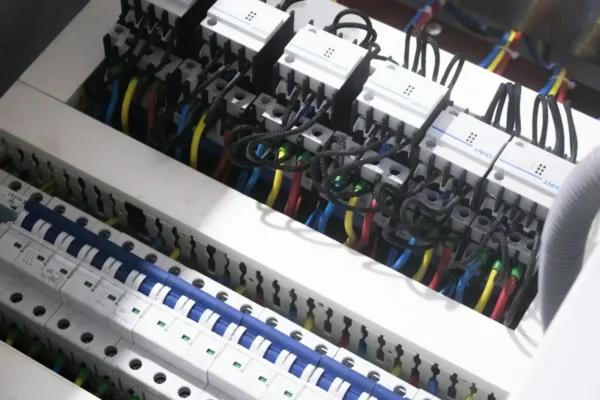 Electrical · Richmond
RCD tripping and electrical testing in Richmond: why it happens
An RCD that trips for no obvious reason is the most common electrical complaint. What the device is measuring, the usual causes in Richmond's…
All electrical reading, every area ↗
Electrical explained
Electrical work covers the circuits, wiring and fittings that run your home. That includes fuse board and consumer unit replacement, extra sockets and switch changes, indoor and outdoor lighting, and new EV charge points. It also covers testing and inspection, such as an Electrical Installation Condition Report, and fault finding when a circuit keeps tripping or a socket stops working. Small repairs and full rewires sit at either end of the same trade.
Replacing a socket, switch or light fitting like for like on an existing circuit is not notifiable in England and Wales. Most other work is. New circuits, consumer unit changes and new points in a bathroom fall under Part P of the Building Regulations. That means an electrician registered with a competent person scheme such as NICEIC or NAPIT, or prior notice to your local authority building control. All of it must meet BS 7671, the wiring regulations.
Age matters most. Homes wired before the 1970s may have rubber or fabric insulation, no earth at the lighting points and a rewirable fuse board. Flats often need freeholder consent and share risers with neighbours. Rural properties on their own earth rod need extra care around EV chargers and outbuildings. Private rented homes in England, Wales and Scotland need an EICR at least every five years. Scotland runs its own building standards system, so check locally first.
What moves the price
- Hourly rate and where you live
- A typical domestic rate in 2026 runs £45 to £75 an hour, rising towards £60 to £95 in London and the south east.
- Number of circuits being tested
- EICR fees follow circuit count, so a one bedroom flat sits near £120 to £200 while a four bedroom house reaches £300 to £450.
- Remedial work the report uncovers
- A report only reads satisfactory once C1 and C2 faults are put right, and an old board with poor earthing can add £500 to £900.
- Cable routes, access and making good
- Chasing walls, lifting floors and patching plaster afterwards often costs more than the socket, light or charger being fitted.
- Emergency and out of hours cover
- Evening, weekend and bank holiday attendance usually carries a call out charge of £120 to £200 before labour and parts.
Figures are indicative typical ranges for the UK, not quotes. Always get written quotes before work starts.
Before you enquire
- Note which circuit trips, and what was switched on at the time.
- Find the consumer unit, check whether it has RCDs and photograph the labels inside.
- Clear access to the fuse board, the loft hatch and any sockets being worked on.
- Dig out past paperwork, such as an old EICR, rewire certificate or landlord report.
Common questions
How much does an EICR certificate cost?
Expect roughly £150 to £300 for a typical three bedroom house in 2026, with flats nearer £120 to £200 and larger homes £300 to £450. London and the south east sit higher. Most electricians price by circuit count, so ask what the fee covers and whether a return visit is included. Remedial work is always quoted separately.
Do you need an electrician to change a light fitting?
No, swapping a light fitting like for like on an existing circuit is not notifiable work in England and Wales. You still have to isolate the circuit at the consumer unit, prove it is dead and leave the result compliant with BS 7671. Many older ceiling roses have no earth wire, which rules out most modern metal fittings, so get an electrician to check first. Adding a new light or switch in a bathroom or shower room is notifiable either way.
How much do electricians charge per hour in the UK?
In 2026 a typical domestic rate is £45 to £75 an hour, or £300 to £450 a day, with London and the south east at the top of that range. Many charge a minimum of one hour, or a fixed first hour of £70 to £120 that covers travel. Out of hours call outs usually start at £120 to £200. Ask whether parts, certification and parking are inside the price.
Can any electrician install an EV charger?
Not quite. A charge point is a new circuit, so in England and Wales it is notifiable under Part P and should go to an electrician registered with a competent person scheme such as NICEIC or NAPIT. The work must meet BS 7671, including the section on electric vehicle charging, and your installer notifies the local distribution network operator. Budget roughly £800 to £1,200 fitted for a 7kW unit, and more where the cable run is long or needs groundwork.
Local electrical guides
The same service, written for where you live: typical local prices, the housing stock and the trades that cover it.