An RCD that trips for no obvious reason is the most common electrical complaint in the home, and in Richmond it is a frequent reason for booking electrical testing. The device is doing its job: it has detected current leaking to earth somewhere and has cut the supply in a fraction of a second. The difficulty is that a leak can come from a faulty appliance, damp in a wall, a nail through a cable or simply the accumulated leakage of a modern house full of electronics. This explainer sets out what the RCD is measuring, why it trips, how an electrician finds the cause and what the fixes look like.
What an RCD does
A residual current device compares the current flowing out along the live conductor with the current coming back on the neutral. In a healthy circuit the two are equal. If some current is going somewhere else, through a person, through water or through a damaged cable to earth, the two no longer match and the RCD trips, typically at 30 milliamps, which is well below the level that causes a fatal shock. A miniature circuit breaker (MCB), by contrast, trips on overload or short circuit, and an RCBO combines both functions for a single circuit. Knowing which device tripped tells the electrician a lot before they open anything.
Why RCDs trip
Appliances
Heating elements are the usual suspects: kettles, washing machines, dishwashers, immersion heaters and ovens. As the element ages, its insulation breaks down and leaks a little current to earth, often only when hot. The RCD trips a few minutes into a wash cycle or when the oven reaches temperature. Outdoor appliances, lawnmowers and pressure washers do the same when their cables are damaged.
Damp
Water in an outside light, a garden socket or a junction box in a loft creates a path to earth. Condensation in a cold garage does the same. These faults are weather dependent, which is a useful clue: an RCD that trips after heavy rain is almost always an outdoor or roof-space problem.
Wiring faults
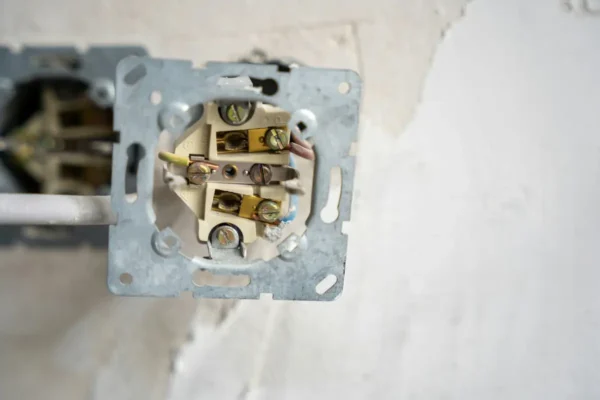
A screw or nail through a cable, rodent damage, a neutral touching earth in a back box, or an old cable with perished insulation all cause persistent tripping. These do not go away and tend to get worse.
Cumulative leakage
Every modern appliance with an electronic power supply, from LED drivers to computers to induction hobs, leaks a tiny amount by design. In a house where one RCD protects every circuit, the total can sit close to the tripping threshold, so any small extra fault takes it over. This is the classic nuisance trip in a house with lots of electronics and a consumer unit from the 2000s.
How an electrician finds the fault
- Confirm which device tripped and which circuits it covers.
- Unplug everything on the affected circuits and reset. If it holds, reintroduce appliances one at a time.
- If it trips with nothing connected, isolate the circuits one by one at the consumer unit to narrow it down.
- Carry out an insulation resistance test on the suspect circuit with a calibrated tester, and measure the actual earth leakage with a clamp meter.
- Inspect the physical points most likely to be at fault: outdoor accessories, loft junction boxes, bathroom fittings, recent DIY work.
This is methodical work, usually charged by the hour, so expect a couple of hours for a difficult fault. The result should be a written explanation of what was found; if the whole installation is suspect, a full electrical inspection and condition report is the logical next step.
What the fixes look like
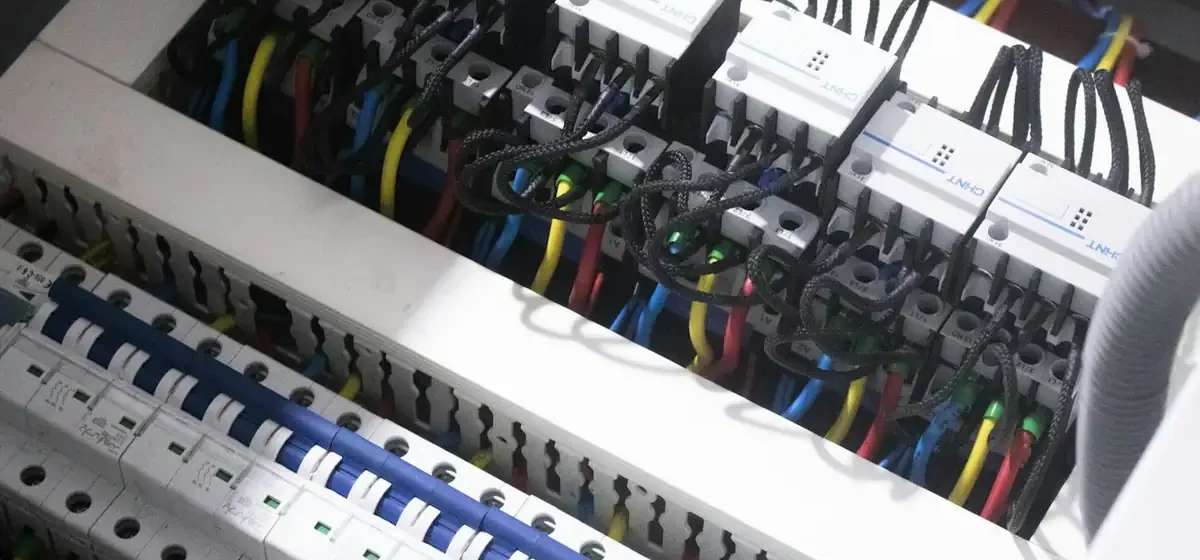
A faulty appliance is replaced or repaired. A damp outdoor fitting is replaced with a properly rated one and the cable entry sealed. A damaged cable is cut back and joined in an accessible box or replaced. For cumulative leakage, the standard fix is to split the installation across more RCDs, or to fit RCBOs so that each circuit has its own protection and a fault on one does not take out the lights. That usually means a new consumer unit, which is notifiable work. As a rough guide, fault finding typically costs an hourly rate plus parts, and a consumer unit replacement with RCBOs typically runs to several hundred pounds; get written quotes before committing.
What is different in Richmond
Richmond upon Thames is dominated by period property: Georgian and Victorian houses in Richmond, Twickenham, Kew and Barnes, Edwardian terraces in St Margarets and Teddington, and a great many conversions into flats. Older houses have cellars and solid walls that hold damp, and leakage from damp-affected wiring in basements and outbuildings is a recurring cause of tripping. Many homes are in conservation areas, which has no bearing on internal electrical work but does affect where an external EV charger or meter box can go. Riverside streets in Richmond, Twickenham and Ham flood from time to time, and any electrics that have been under water need testing before they are used again. Richmond upon Thames Council building control receives Part P notifications for work in the borough.
When to call a professional
Resetting an RCD and unplugging appliances is safe. Anything beyond that is for a registered electrician. Consumer unit replacement and new circuits are notifiable under Part P of the Building Regulations in England and should be done by someone registered with NICEIC, NAPIT or a similar competent person scheme who will certify and notify the work. If your home was built before 2000, old fuse board backboards and textured ceilings may contain asbestos and must not be disturbed. An RCD that trips and will not reset should be left off, and anything that smells of burning is a same-day call.
If your RCD keeps tripping and you have run out of things to unplug, describe the pattern and your postcode to The Household Daily’s help desk and we will help you take the next step with an electrician in Richmond.
Questions people ask
Why does my RCD trip when it rains?
Water is getting into an outdoor fitting, a garden socket, a shed supply or a junction box in the roof and creating a path to earth. Leave the affected circuit off and have an electrician inspect the outdoor and loft accessories; the fix is usually a sealed, properly rated replacement.
Why does the RCD trip when the washing machine or oven runs?
Heating elements leak a little current to earth as their insulation ages, often only once they are hot. If the trip happens part way through a cycle or as the oven heats up, the appliance is the likely cause and an appliance engineer or a replacement element is the answer.
What is the difference between an RCD and an MCB?
An MCB trips on overload or short circuit to protect the cable. An RCD trips when current leaks to earth, protecting people from shock. An RCBO does both jobs for a single circuit, so one fault does not switch off the whole house.
Will fitting RCBOs stop nuisance tripping?
Usually, yes. Giving each circuit its own RCBO means the small background leakage from electronics is spread across many devices rather than one, and a genuine fault only takes out its own circuit. It requires a new consumer unit, which is notifiable work for a registered electrician.
Ready to take the next step?
Tell the household desk what has happened, where you are and when you need help. We will review it and explain your options.
Describe your job →Guidance is general and refers to the authority that sets each rule. Costs are indicative ranges; always get written quotes. Trade availability and credentials are confirmed when you enquire.