Electrical work in Birmingham is priced in one of three ways: an hourly rate, a fixed price for a defined job, or a call-out fee plus time. So how much do electricians charge per hour? As a rough guide, a qualified domestic electrician in Birmingham typically charges somewhere between £40 and £70 an hour for daytime work, often with a minimum of one hour or a half day. That range moves with the time of day, the age of the property and whether the job needs certification. This guide sets out what the common jobs tend to cost, what pushes the figure up, and how to get written quotes you can compare properly.
How much do electricians charge per hour in Birmingham
Hourly rates are most useful for fault finding, where nobody knows how long the job will take until the cause is found. For a tripping circuit or a socket that has stopped working, expect the first hour to be charged in full even if the fix takes twenty minutes. Evening, weekend and bank holiday work is typically charged at one and a half to two times the daytime rate, and some firms add a separate call-out fee on top. Ask for both figures before anyone sets off.
Larger electrical contractors in Birmingham tend to quote day rates, and a sole trader working from a van in Erdington or Kings Heath will usually be cheaper than a firm with an office and a fleet. Neither is automatically better; what matters is that the person doing the work is registered with a competent person scheme and will certify it.
Typical job prices as a rough guide
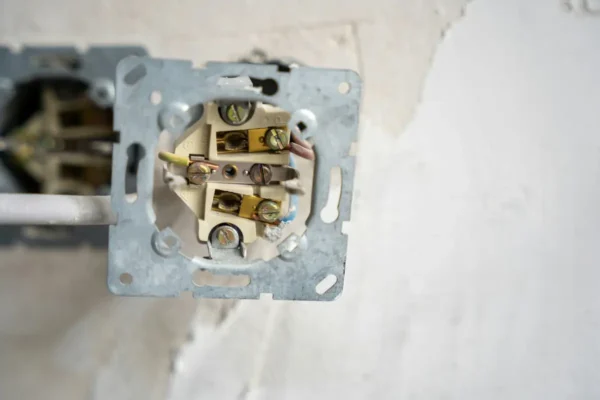
- Replacing a socket or light switch: typically £60 to £120 including the part, usually as part of a minimum charge.
- Adding a new double socket: typically £100 to £200 depending on how far the cable has to run and whether it is chased into plaster or surface mounted.
- Consumer unit (fuse board) replacement: typically £400 to £800 for a modern unit with RCD protection, including the certificate.
- EICR certificate cost: typically £120 to £250 for a two or three bedroom house, more for larger properties or HMOs with many circuits.
- Full rewire: typically £3,000 to £6,000 for a three bedroom terrace, excluding redecoration. Electrical rewiring in Birmingham costs more in large Victorian villas with high ceilings and solid walls.
- EV charger installation: typically £800 to £1,500 for a standard 7kW home charger where the consumer unit can take the extra load.
These are indicative figures only. The only price that counts is the one on a written quote for your property.
What moves the price
Four things explain most of the variation between quotes. First, the condition of the existing installation: an older fuse board with no RCD protection often needs upgrading before a new circuit can be legally added, and that is a cost you will not see coming unless the electrician inspects first. Second, access. Chasing cables into solid brick walls and lifting floorboards takes much longer than clipping cable in a loft or a garage. Third, making good. Most electricians leave the plaster for a decorator, so budget for that separately. Fourth, certification. Work that creates a new circuit or alters the consumer unit must be notified to building control, and a registered electrician’s notification fee is built into their price.
What is different in Birmingham
Birmingham has a very large stock of Victorian and interwar houses, including surviving back-to-backs and long terraces in areas such as Sparkbrook, Handsworth and Small Heath. Many were rewired in the 1960s and 1970s and are now on their second or third generation of wiring, which is why an EICR often throws up more work than the owner expected. Solid brick walls mean more chasing time, and lath and plaster ceilings in older houses make running new lighting circuits slower.
The city also has one of the largest private rented sectors outside London, with a high proportion of HMOs around the universities in Selly Oak and Edgbaston. Birmingham City Council licenses HMOs and expects a satisfactory electrical installation condition report, so landlords form a big part of local electricians’ workload and prices for EICRs tend to be competitive. Parking is rarely a problem outside the city centre, but inside the Clean Air Zone some firms add a daily charge to cover their vehicle, so check whether it is included.
When to call a professional
In England, most new circuits, consumer unit replacements and any work in a bathroom are notifiable under Part P of the Building Regulations. A registered electrician with NICEIC, NAPIT or a similar competent person scheme can self-certify and will notify Birmingham City Council building control for you; anyone else would need to pay for a building control application and inspection, which usually costs more than the saving. Changing a light fitting or a socket faceplate like for like is not notifiable, but if the wiring looks old or discoloured, stop and ask. Never work on a circuit without isolating it and proving it dead.
If the house was built before 2000, be aware that asbestos may be present in old fuse board backboards, textured ceilings and heater panels. A registered electrician will recognise it and will not drill or disturb it.
Getting quotes you can compare
- Describe the job in writing, with photos of the consumer unit and the room concerned.
- Ask each electrician for their scheme registration number and check it on the NICEIC or NAPIT register.
- Ask whether the price includes certification, notification, materials and making good.
- Get at least two written quotes for anything over a few hundred pounds, three for a rewire.
- Agree payment terms in advance. A deposit for materials on a large job is normal; full payment up front is not.
If you would rather not ring round, describe the job and your postcode to The Household Daily’s help desk and we will help you take the next step towards a registered electrician in Birmingham.
Questions people ask
How much do electricians charge per hour in Birmingham?
As a rough guide, a domestic electrician in Birmingham typically charges £40 to £70 an hour for daytime work, with a minimum charge of an hour or half a day. Evenings and weekends cost more. Confirm the rate, the minimum and any call-out fee in writing before booking.
How much does an EICR cost in Birmingham?
Typically £120 to £250 for a two or three bedroom house as a rough guide. HMOs and large houses with many circuits cost more. Ask whether the price includes a separate quote for any remedial work found.
Is it better to pay a Birmingham electrician by the hour or a fixed price?
For a defined job such as a new socket or a consumer unit change, a fixed price usually protects you better because the risk of overrunning sits with the electrician. Hourly rates make sense for fault finding, where nobody knows the time needed in advance.
Do I need building control for a new circuit in Birmingham?
Yes. New circuits and consumer unit work are notifiable under Part P of the Building Regulations in England. An electrician registered with NICEIC or NAPIT self-certifies and notifies Birmingham City Council for you; otherwise you would have to apply to building control yourself and pay a fee.
Ready to take the next step?
Tell the household desk what has happened, where you are and when you need help. We will review it and explain your options.
Describe your job →Guidance is general and refers to the authority that sets each rule. Costs are indicative ranges; always get written quotes. Trade availability and credentials are confirmed when you enquire.