You topped the boiler up last week and the gauge is back below one bar. Why does my boiler keep losing pressure is one of the most common reasons Birmingham householders call a heating engineer. A sealed heating system is a closed loop of water. If the pressure keeps falling, water is leaving that loop somewhere, or something inside the boiler is failing to hold it. This explainer sets out the usual causes, what you can safely do, and what the repairs look like.
What should be the pressure in a boiler?
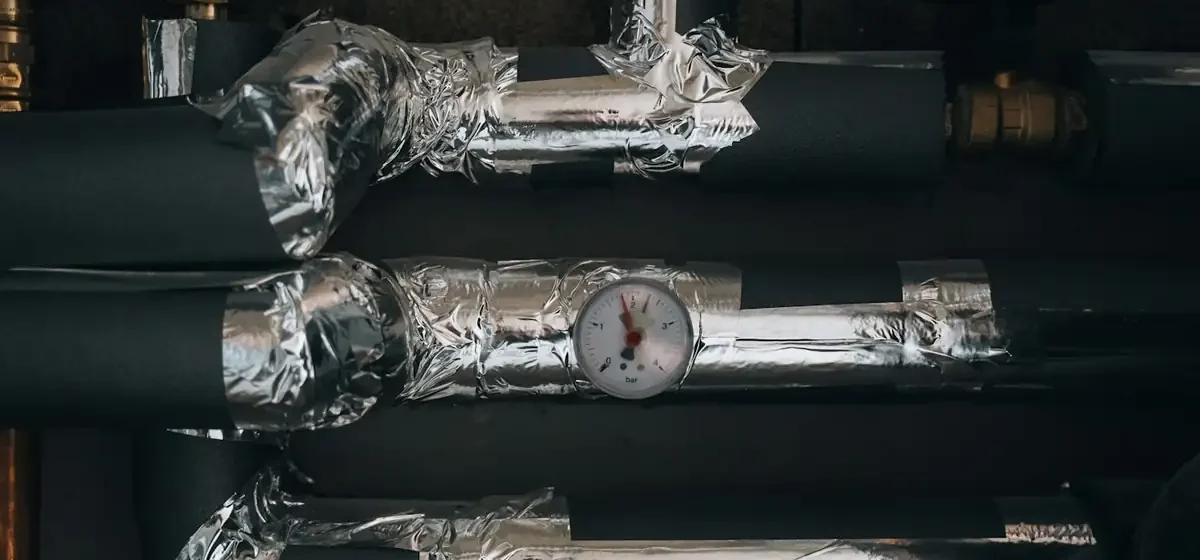
If you are asking what pressure should my boiler be, the answer for most combi and system boilers is between one and one and a half bar when the system is cold, rising a little when it is hot. The manual gives the exact range. Below about half a bar the boiler locks out and shows a low pressure code. Above three bar the pressure relief valve opens and discharges water outside. Topping up once or twice a year, after bleeding radiators, is normal. Weekly is not.
Why does my boiler keep losing pressure? The five usual causes
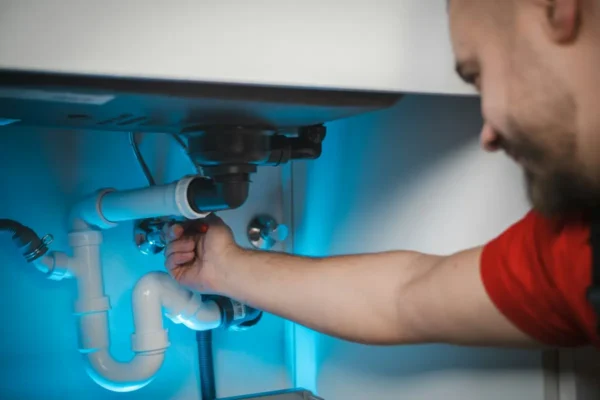
- A leak on the system. The most common cause and the hardest to find. A weeping radiator valve, a pinhole under a floor or a dripping joint behind a kitchen unit can lose a litre a day without ever showing as a puddle. Look for stains on ceilings below radiators, damp patches on skirting and salt marks on the valve tails.
- The pressure relief valve. If the small copper pipe from the boiler to the outside wall drips, the valve has lifted on overpressure and failed to reseat, or has worn; once it passes water it rarely stops.
- A failed expansion vessel. The vessel absorbs the expansion of water as it heats. When its diaphragm splits or its air charge leaks away, pressure climbs towards three bar when hot, the relief valve discharges, and the gauge reads low again when cold. High when hot, low when cold, is the signature.
- The automatic air vent. The vent on top of the boiler that releases air can start releasing water too. It is a small, cheap part.
- A cracked heat exchanger. Water leaks into the combustion side and leaves as steam up the flue: no visible leak, a steady drop and often a kettling noise. On an older boiler the part can cost more than the boiler is worth.
How to repressurise a boiler safely
Topping up is a householder job. With the boiler off, find the filling loop, usually a braided hose with one or two small valves beneath the boiler. Open the valves slowly, watch the gauge climb to around 1.2 bar, then close both fully. Write down the date and the reading. That log tells a heating engineer if the loss happens over a day or a month, which narrows the diagnosis considerably. Do not keep topping up for months: fresh water brings oxygen that corrodes radiators and the heat exchanger.
What the fixes look like
Can a plumber fix a boiler? The answer depends on the fault. Finding and fixing a leak on pipework or a radiator valve is general plumbing, though it takes time if floorboards must come up. Anything inside the boiler casing, including the relief valve, the expansion vessel and the heat exchanger, is work for a Gas Safe registered engineer. As a rough guide, recharging or replacing an expansion vessel typically costs £100 to £300, a new relief valve or air vent £80 to £200, and a heat exchanger anywhere from £300 to £700 depending on the model, which is why engineers often advise replacement on a boiler over twelve years old rather than a boiler repair. Treat those as indicative and get a written quote.
What is different in Birmingham
Birmingham’s housing explains why pressure loss is such a common complaint. The city has a huge stock of Victorian and interwar terraces, in Kings Heath, Erdington, Handsworth and Sparkbrook among others, most with heating systems added decades after they were built and pipework under suspended timber floors where a leak can run unseen into the void. Birmingham’s water, supplied by Severn Trent from the Elan Valley in Wales, is soft, which means limescale is far less of a problem than in the south east, so a scaled heat exchanger is rarely the cause; corrosion and sludge from old radiators are the more likely suspects. The city also has a very large number of HMOs and private rentals; a tenant should report the fault to the landlord in writing, since the Landlord and Tenant Act 1985 makes heating installations the landlord’s to repair, and Birmingham City Council’s private rented sector team can step in if nothing happens. Before calling an emergency plumber in Birmingham at night, remember that a lockout on low pressure is rarely urgent if you can top up; a leak you cannot find or isolate is.
When to call a professional
A plumber in Birmingham can trace and fix pipework and radiator leaks. Everything inside the boiler casing must be done by an engineer on the Gas Safe Register; check the ID card before they start. If the boiler needs a new electrical supply as part of a replacement, that is notifiable in England under Part P of the Building Regulations and should be done by a registered competent person with NICEIC, NAPIT or a similar scheme. Birmingham’s terraces predate 2000, and old pipe lagging, flue sections and boiler boards may contain asbestos; the HSE advice is to leave suspect material undisturbed and have it tested. Searching for boiler repair near me will give you plenty of names, but the registration matters more than the ranking.
If your boiler is losing pressure, give The Household Daily’s help desk the log of readings, the boiler make and your part of Birmingham. The desk will help you take the next step and confirm availability when you enquire.
Questions people ask
Why does my boiler keep losing pressure?
Water is leaving the sealed system somewhere: a leak on the pipework or a radiator, a pressure relief valve that is passing water, a failed expansion vessel, a leaking automatic air vent, or in the worst case a cracked heat exchanger. A log of how fast the pressure drops helps an engineer narrow it down.
How often is it normal to repressurise a boiler?
Once or twice a year, usually after bleeding radiators, is normal. Weekly or daily top-ups mean a fault that needs finding, and constant fresh water will corrode the system.
Can a plumber fix a boiler that is losing pressure?
A general plumber can find and fix leaks on pipes and radiators. Anything inside the boiler casing, including the relief valve, expansion vessel and heat exchanger, must be done by a Gas Safe registered engineer.
Does Birmingham's soft water make a difference?
Yes. Severn Trent supplies Birmingham with soft water from the Elan Valley, so limescale rarely causes boiler faults here. Corrosion, sludge and hidden pipework leaks in older terraces are the more likely causes of pressure loss.
Ready to take the next step?
Tell the household desk what has happened, where you are and when you need help. We will review it and explain your options.
Describe your job →Guidance is general and refers to the authority that sets each rule. Costs are indicative ranges; always get written quotes. Trade availability and credentials are confirmed when you enquire.