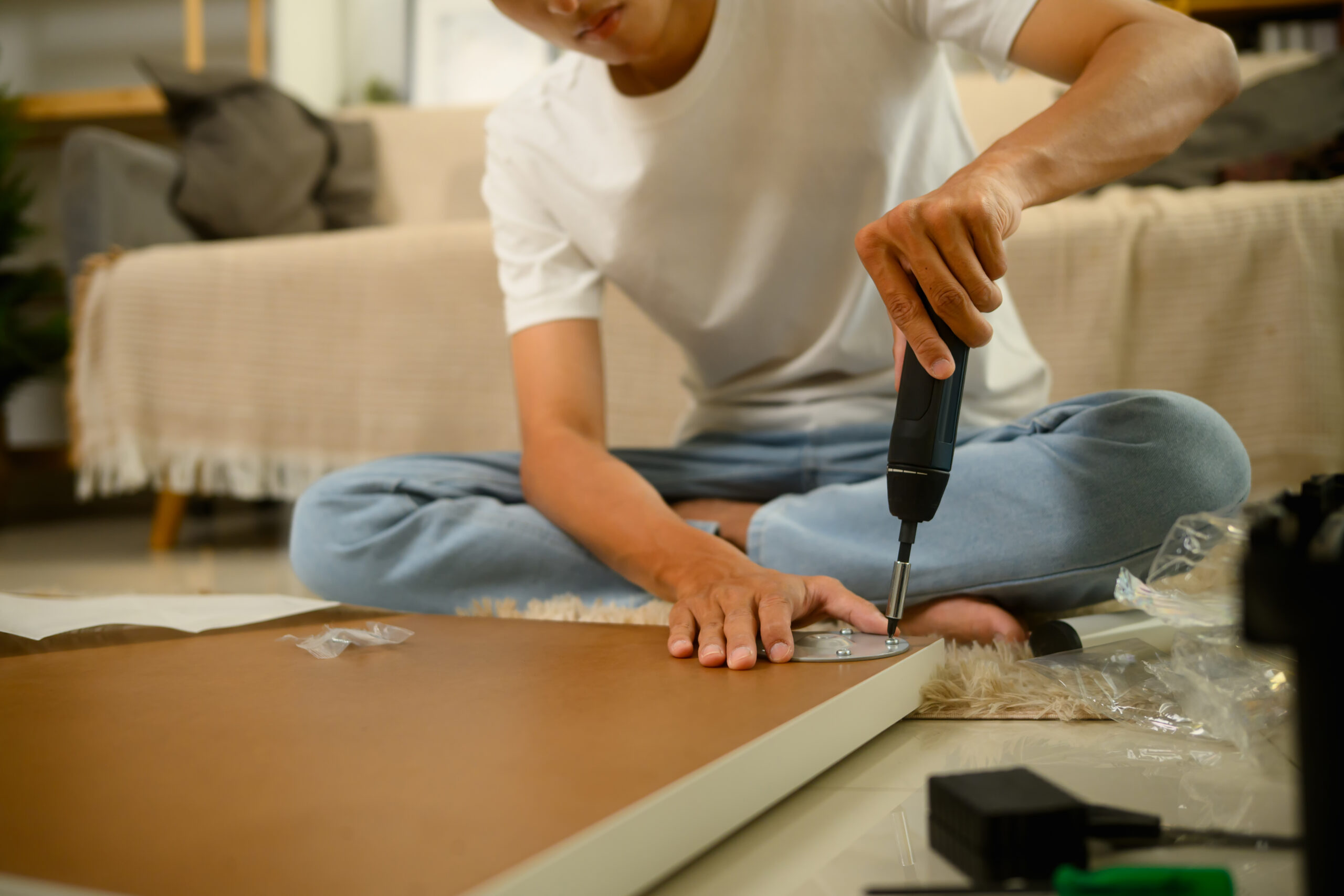
Flat pack assembly time is one of those things people consistently underestimate right up until they are sitting cross-legged on the floor surrounded by mystery screws, cardboard packaging, and an instruction booklet that somehow manages to confuse everyone equally, regardless of education level. What looks like a “quick weekend task” can easily become an all-day event complete with missing Allen keys, backwards panels, and at least one moment where you quietly question your life choices.

Flat pack furniture has become a huge part of modern UK homes thanks to affordability, convenience, and the ability to fit an entire wardrobe into the back of a hatchback. From budget-friendly bookcases to massive sliding wardrobes, ready-to-assemble furniture offers practical solutions for renters, homeowners, students, and anyone trying to furnish a space without spending a small fortune.
But while flat pack furniture may arrive neatly boxed, assembly is rarely as quick as people expect. The actual time depends on several factors including the size of the item, complexity of the design, quality of instructions, tools required, and perhaps most importantly, whether you started the task feeling optimistic or already emotionally exhausted.
Understanding realistic flat pack assembly time can save stress, improve planning, and help determine whether hiring furniture assembly services UK homeowners increasingly rely on might actually be worth the money.
Why Flat Pack Furniture Takes Longer Than Expected?
One reason people underestimate assembly time is because packaging creates an illusion of simplicity. A sleek box containing wooden panels and bags of screws does not immediately scream “three-hour emotional journey”.
Furniture retailers also tend to provide estimated assembly times based on ideal conditions. Those estimates often assume:
- Two people are assembling together
- All tools are available
- Instructions are followed perfectly
- Nobody accidentally installs a shelf upside down
- The cat is not actively sitting on important screws
Real life, unfortunately, tends to differ slightly.
Many people also forget that preparation itself takes time. Before assembly even begins, furniture needs unpacking, sorting, checking for missing parts, and clearing enough floor space to work safely.
Then there is the small issue of instructions that occasionally appear to have been translated through seventeen languages before arriving in your living room.
Average Flat Pack Assembly Times
Assembly times vary significantly depending on the furniture type. Small items may take under an hour, while large storage units or wardrobes can easily consume an entire day.
Here are some average durations for common flat pack furniture items in UK homes:
Bedside Tables and Small Units
Typical assembly time: 30 minutes to 1 hour
Simple bedside tables, shoe racks, or compact side units are usually beginner-friendly. They often involve fewer panels, minimal hardware, and straightforward instructions.
These smaller pieces are ideal for people with limited DIY experience. However, even tiny furniture can become time-consuming if pre-drilled holes do not align properly or instructions are unclear.
Dining Chairs
Typical assembly time: 20 to 45 minutes per chair
Chairs may look simple, but multiple identical pieces quickly add up. A dining set with six chairs can easily take several hours altogether.
The repetitive nature of chair assembly also introduces fatigue. By chair number four, even experienced DIY enthusiasts begin negotiating with themselves internally.
Coffee Tables and TV Units
Typical assembly time: 1 to 3 hours
Coffee tables are generally manageable, but TV units tend to become more complex due to cable management sections, shelves, drawers, and multiple compartments.
Units with glass panels or sliding doors require additional care during assembly.
Chest of Drawers
Typical assembly time: 2 to 5 hours
Drawer units often involve repetitive assembly steps, numerous screws, runners, and alignment adjustments.
The larger the chest, the more time-consuming the process becomes. Misaligned drawers are one of the most common flat pack frustrations because even slightly uneven fittings can affect functionality.
Bookcases and Shelving Units
Typical assembly time: 1.5 to 4 hours
Simple open shelving can be assembled relatively quickly, but tall bookcases with wall-mounting requirements or adjustable shelving systems take longer.
Large shelving units also require careful levelling, especially in older UK homes where floors and walls may not be perfectly straight.
Beds
Typical assembly time: 2 to 6 hours
Bed frames range from simple metal structures to elaborate storage beds with hydraulic lifting systems.
Ottoman storage beds are particularly time-intensive because they involve heavy mechanisms, hinges, and precise alignment.
Children’s bunk beds or cabin beds can take even longer due to additional safety features and structural complexity.
Wardrobes
Typical assembly time: 4 to 10 hours
Wardrobes are among the most time-consuming flat pack items. Sliding wardrobes, mirrored doors, integrated drawers, and internal storage systems significantly increase assembly difficulty.
Large wardrobes usually require at least two people because panels can be heavy and awkward to position safely.
Many people start assembling wardrobes confidently in the morning and finish sometime around sunset questioning why they did not simply live out of laundry baskets forever.
Complexity Makes a Huge Difference
Not all flat pack furniture is created equally.
A simple cube storage unit differs enormously from a full modular wardrobe system with lighting, mirrors, drawers, and sliding mechanisms.
Complexity affects:
- Number of components
- Weight of panels
- Tool requirements
- Assembly stages
- Precision needed
- Stability and safety considerations
Furniture with moving parts naturally takes longer because hinges, drawer runners, hydraulic systems, and sliding tracks require accurate installation.
Wall-mounted furniture also increases complexity because measuring, drilling, and securing items safely becomes essential.
Tools Required for Flat Pack Furniture Assembly
Many flat pack kits include a small Allen key and vague optimism. Realistically, however, additional tools make assembly much easier and faster.
Commonly required tools include:
Screwdrivers
Both flathead and Phillips screwdrivers are frequently needed for fittings and brackets.
Electric Drill or Screwdriver
An electric screwdriver significantly speeds up assembly, especially for large furniture pieces with dozens of screws.
That said, over-tightening can damage panels, so patience still matters.
Hammer or Rubber Mallet
Wooden dowels and backing panels often require gentle tapping into place.
Spirit Level
Essential for shelving units, wardrobes, and wall-mounted furniture to ensure stability.
Measuring Tape
Useful for checking spacing, alignment, and positioning before securing furniture permanently.
Hex Keys or Allen Keys
Usually included, though better-quality versions improve comfort during lengthy assembly sessions.
Safety Equipment
Gloves and protective eyewear may help when handling large panels or drilling into walls.
Using proper tools can dramatically reduce flat pack assembly time. Attempting to build large furniture using only the tiny included Allen key is technically possible but emotionally ambitious.
Why Instructions Cause So Many Problems?
Flat pack instructions rely heavily on diagrams because furniture companies sell products internationally. While this avoids language barriers, visual-only instructions can sometimes create confusion.
Common problems include:
- Similar-looking screws
- Unclear panel orientation
- Missing written explanations
- Tiny diagrams
- Poor step sequencing
One incorrect early step can create major issues later.
For example, installing a panel backwards may not become obvious until step twenty-seven when nothing aligns properly and mild panic begins setting in.
Carefully checking instructions before starting saves considerable time later.
DIY vs Professional Furniture Assembly Services UK
As flat pack furniture becomes more common, furniture assembly services UK households use have grown rapidly in popularity.
Professional assemblers offer:
- Faster completion times
- Proper tools
- Experience with major brands
- Reduced stress
- Safe wall mounting
- Disposal assistance for packaging
Hiring professionals makes particular sense for:
- Large wardrobes
- Complex storage systems
- Office furniture
- Families with limited time
- Elderly homeowners
- People with mobility issues
- Multi-room furniture projects
Professional assembly may initially seem expensive, but many people reconsider after spending eight frustrating hours building one wardrobe incorrectly.
Sometimes paying for expertise is simply protecting your sanity.
Factors That Affect Assembly Time
Several practical factors influence how long furniture assembly really takes.
Experience Level
Someone who regularly builds flat pack furniture will naturally work faster than a beginner.
Experienced assemblers recognise common fittings, understand instruction styles, and avoid typical mistakes.
Number of People Helping
Large items often require two people for lifting, positioning, or stabilising panels.
Solo assembly is possible for smaller items but may increase time significantly.
Workspace Size
Cramped rooms make assembly harder. Furniture often needs enough space to lie flat during construction before being moved upright.
Many UK flats and smaller homes present genuine logistical challenges here.
Packaging and Waste Removal
Unboxing, sorting parts, and cleaning up cardboard afterwards adds more time than people expect.
Large furniture deliveries can generate enough packaging to temporarily resemble a recycling centre.
Quality of Furniture
Higher-quality flat pack furniture often has:
- Better instructions
- More accurate pre-drilled holes
- Clear labelling
- Better fittings
Cheaper furniture may save money initially but can increase frustration during assembly.
The Emotional Stages of Flat Pack Assembly
There is also an unspoken psychological timeline most people experience during furniture assembly.
Stage One: Confidence
“This should only take an hour.”
Stage Two: Mild Concern
“Why are there extra screws already?”
Stage Three: Negotiation
“Maybe the shelf is supposed to lean slightly.”
Stage Four: Frustration
“This instruction diagram was clearly designed by chaos.”
Stage Five: Victory
“It actually looks like the picture.”
Despite the occasional stress, there is genuine satisfaction in successfully assembling furniture yourself. It creates a sense of achievement that feels strangely rewarding.
Even if nobody else notices your perfectly aligned drawers, you will.
Tips to Reduce Flat Pack Assembly Time
If you want faster, smoother furniture assembly, a few practical strategies help considerably.
Read Instructions Fully First
Scanning instructions before starting prevents avoidable mistakes later.
Organise Parts
Separate screws, dowels, brackets, and fittings into containers before beginning.
Use Better Tools
Electric screwdrivers and proper hex keys speed up work dramatically.
Clear Enough Space
Trying to assemble furniture in cramped areas increases frustration and risk of damage.
Work Slowly Initially
Rushing early steps often creates larger problems later.
Assemble Near Final Location
Large furniture can become difficult to move once built.
Ask for Help
Large wardrobes or beds genuinely benefit from two-person assembly.
Flat Pack Furniture Is Here to Stay
Flat pack furniture continues dominating UK homes because it solves practical modern problems. It is affordable, transportable, and adaptable for renters and homeowners alike.
As living spaces become smaller and people move more frequently, ready-to-assemble furniture remains appealing.
At the same time, the popularity of furniture assembly services UK providers reflects changing attitudes towards time. Many households would rather outsource stressful assembly tasks than sacrifice entire weekends wrestling with instructions and mysterious leftover bolts.
And honestly, that is understandable. Time itself increasingly feels valuable. Spending ten hours assembling furniture when professionals could complete it in three is not always the bargain it first appears to be.
How Long Does Flat Pack Furniture Really Take?
The honest answer is usually longer than expected. Simple items may only require under an hour, while large wardrobes or storage systems can easily consume an entire day or weekend. Complexity, tools, workspace, experience, and patience all influence the final timeline.
Flat pack assembly time is rarely just about construction itself. It includes preparation, problem-solving, adjustments, breaks, packaging disposal, and occasionally staring silently at instructions while reconsidering every decision that led to this moment.
Still, whether you build it yourself or hire professional help, flat pack furniture remains one of the most practical furnishing solutions for modern UK homes.
And when the final screw is tightened and the furniture finally stands upright without wobbling, the sense of accomplishment is surprisingly glorious.
For more smart household tips, practical home advice, and relatable DIY survival stories, be sure to follow The Household Daily, where home life gets a little easier, one project at a time.