The first cold evening of November is when most people in Berkshire think about lighting the stove, and it is also when a neglected chimney shows its problems. Chimney repair is a job for a dry autumn week, not a January emergency, and sweeping belongs on the same list. This guide covers what goes wrong with a stack, what a sweep does and how often, the carbon monoxide rules that apply to landlords, and typical prices in Reading, Newbury, Windsor and the villages between.
What goes wrong with a chimney stack
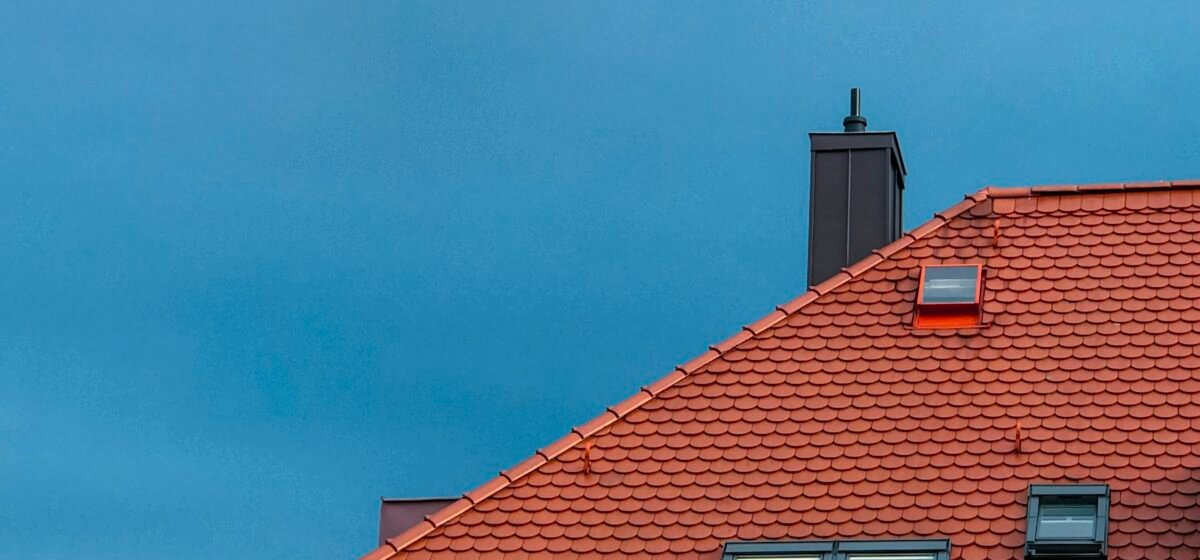
A chimney is the most exposed brickwork on the house. It takes rain from every direction, freezes and thaws through the winter, and carries acidic flue gases up the inside. Mortar joints fail first, usually at the top few courses where the weather is worst. Once the pointing has gone, water gets into the brick, the stack starts to lean or spall, and the flaunching that holds the pot in place cracks.
The second weak point is where the stack meets the roof. Lead flashing that has lifted, split or been replaced with a mortar fillet lets water run down the outside of the flue into the loft. Damp patches on the chimney breast upstairs or staining on the ceiling beside it are the usual signs. The roof repair cost guide for Berkshire explains how access affects the price of this kind of work.
Chimney repair: what each job involves and what it costs
Most chimney repair is one of a short list of jobs, and the price is driven as much by access as by the work itself. A stack in the middle of a roof on a three storey Victorian terrace in Reading needs scaffolding; a bungalow stack at the gable end might be reached from a tower. The figures below are indicative ranges rather than quotes, and the eastern end of the county around Windsor and Ascot runs higher.
- Repointing a stack above the roofline: typically £400 to £900 plus access.
- Re-flaunching the top and refitting or replacing the pot: typically £250 to £600.
- Fitting a cowl or bird guard: typically £80 to £200 for the part and fitting.
- Lead flashing repair around the base of the stack: typically £300 to £800 depending on size.
- Partial rebuild of the top courses: typically £900 to £2,000.
- Scaffolding for a stack: typically £500 to £1,200 depending on height and street position.
A cowl is worth fitting on any flue in use. It keeps rain and jackdaws out, and a nesting pair in spring is protected under the Wildlife and Countryside Act 1981 from 1 March to 31 August, which means a blocked flue cannot be cleared until the end of the summer.
How often to sweep, and why it matters
Sweeping removes soot and, more importantly, creosote, the tarry deposit that builds up when wood burns slowly or damp. The National Association of Chimney Sweeps and the Guild of Master Chimney Sweeps both recommend sweeping at least once a year for wood burning appliances and twice a year for coal and smokeless fuel. Searches for a sweep peak between October and December, so book early.
A sweep from a member of either body will normally run a smoke test, check the flue is drawing and issue a certificate, which some insurers ask for after a chimney fire. Expect typically £60 to £100 for a straightforward sweep in Berkshire, more for a flue with a bend or a bird’s nest to remove. A good sweep will also tell you if the liner or the pointing inside the flue has failed, which is where sweeping becomes a chimney repair question.
Carbon monoxide alarms and the rules for landlords
Any open fire or stove can produce carbon monoxide if the flue is blocked or the room is starved of air. For landlords in England, the Smoke and Carbon Monoxide Alarm (Amendment) Regulations 2022 require a carbon monoxide alarm in every room with a fixed combustion appliance, which includes open fires and wood burners but excludes gas cookers. The government has published guidance for landlords on where alarms go and who checks them. Owner occupiers are not bound by the regulation but have the same reasons to fit one.
Headaches, drowsiness and a lazy orange flame are the warning signs. If an alarm sounds, open the windows, put the fire out, leave the room and do not use the appliance until it has been checked. A gas fire is a Gas Safe Register matter; a solid fuel appliance should be looked at by a HETAS registered installer or a sweep from one of the guilds.
What is different about Berkshire chimneys
The county has two kinds of housing stock and they behave differently. The Victorian and Edwardian terraces of Reading, Newbury and Windsor have tall stacks of soft red brick with lime mortar, often with four or six pots and flues that have never been lined. These are the stacks that need repointing most. Many were capped when central heating arrived and are now being reopened for stoves, which means a liner and a proper inspection first.
The newer stock around Bracknell, Wokingham and the Reading fringe mostly has no chimney at all, or a short stack serving a gas fire that has since been removed. The question there is usually whether a redundant stack can be taken down below the roofline, which is a roofer’s job with a Building Regulations angle if the breast below is removed. Older stacks on the clay of the Thames valley sometimes lean as the house settles, and a lean is an engineer’s question first. Our Berkshire hub collects the other local guides.
When to call a professional
Sweeping, repointing, flashing and anything on the stack itself are jobs for a sweep or a roofer working from proper access, not for a homeowner on a ladder. If a stack is visibly leaning, bricks are falling, or there is a crack running through the brickwork, keep people away from that side of the house and treat it as urgent. Our roofing and gutters service page explains what the trade covers.
If you need a sweep before the stove goes on, a chimney repair quote for a stack that has lost its pointing, or someone to find the source of a damp chimney breast, our free help desk can find the right person. Send the details through our request help page. The team reviews every enquiry and confirms availability and credentials before anything is agreed, so nothing is booked until they come back to you.
Questions people ask
How often should a chimney be swept?
The National Association of Chimney Sweeps and the Guild of Master Chimney Sweeps recommend at least once a year for wood burning stoves and open fires burning logs, and twice a year for coal or smokeless fuel. If the stove runs most evenings through winter, a sweep before the season and another midway through is sensible. Burning damp wood increases the build-up and the risk of a chimney fire.
How much does chimney repair cost in Berkshire?
Indicative ranges are £400 to £900 for repointing above the roofline, £250 to £600 for re-flaunching and a new pot, £300 to £800 for lead flashing repair, and £900 to £2,000 for a partial rebuild of the top courses. Scaffolding adds typically £500 to £1,200. Prices around Windsor and Ascot tend to run higher than Reading or Newbury.
Do I need a carbon monoxide alarm for a wood burner?
Landlords in England must fit one in any room with a fixed combustion appliance, including open fires and stoves, under the Smoke and Carbon Monoxide Alarm (Amendment) Regulations 2022. Owner occupiers are not legally required to, but every room with a solid fuel appliance should have one, placed according to the alarm manufacturer's instructions and tested before the first fire of the season.
Can I use a chimney that has been capped for years?
Not without an inspection. A flue that has been sealed for decades may have failed pointing inside, a cracked mid-feather between flues, or a blockage from nests and debris. A sweep will carry out a smoke test and a camera survey, and most old brick flues need a flexible liner before a stove is fitted. The stove itself should be installed by a HETAS registered installer.
Ready to take the next step?
Tell the household desk what has happened, where you are and when you need help. We will review it and explain your options.
Describe your job →Guidance is general and refers to the authority that sets each rule. Costs are indicative ranges; always get written quotes. Trade availability and credentials are confirmed when you enquire.