Home Security Systems have evolved dramatically over the past decade, moving far beyond simple door locks and the occasional barking dog. Today’s technology allows homeowners to monitor their property remotely, receive alerts instantly, and even speak to visitors through a smartphone. Among the most popular upgrades are smart security cameras, which promise increased protection and peace of mind with just a tap on an app.

However, as more households across the UK consider installing these devices, an important question arises: are smart cameras actually worth the investment? Between equipment costs, subscription services, and privacy considerations, it’s not always as straightforward as it first appears.
The Rise of Smart Home Security
Traditional home security once relied primarily on physical barriers: locks, gates, and perhaps an alarm system. While these still play an important role, modern technology has introduced a more proactive approach to protecting homes.
Smart cameras have gained popularity because they provide:
- Real-time monitoring
- Motion detection alerts
- Recorded video evidence
- Remote access via smartphones
- Integration with smart home systems
Instead of discovering problems after the fact, homeowners can now see what is happening around their property in real time. For many people, this additional visibility offers reassurance, especially when away from home.
How Smart Security Cameras Work?
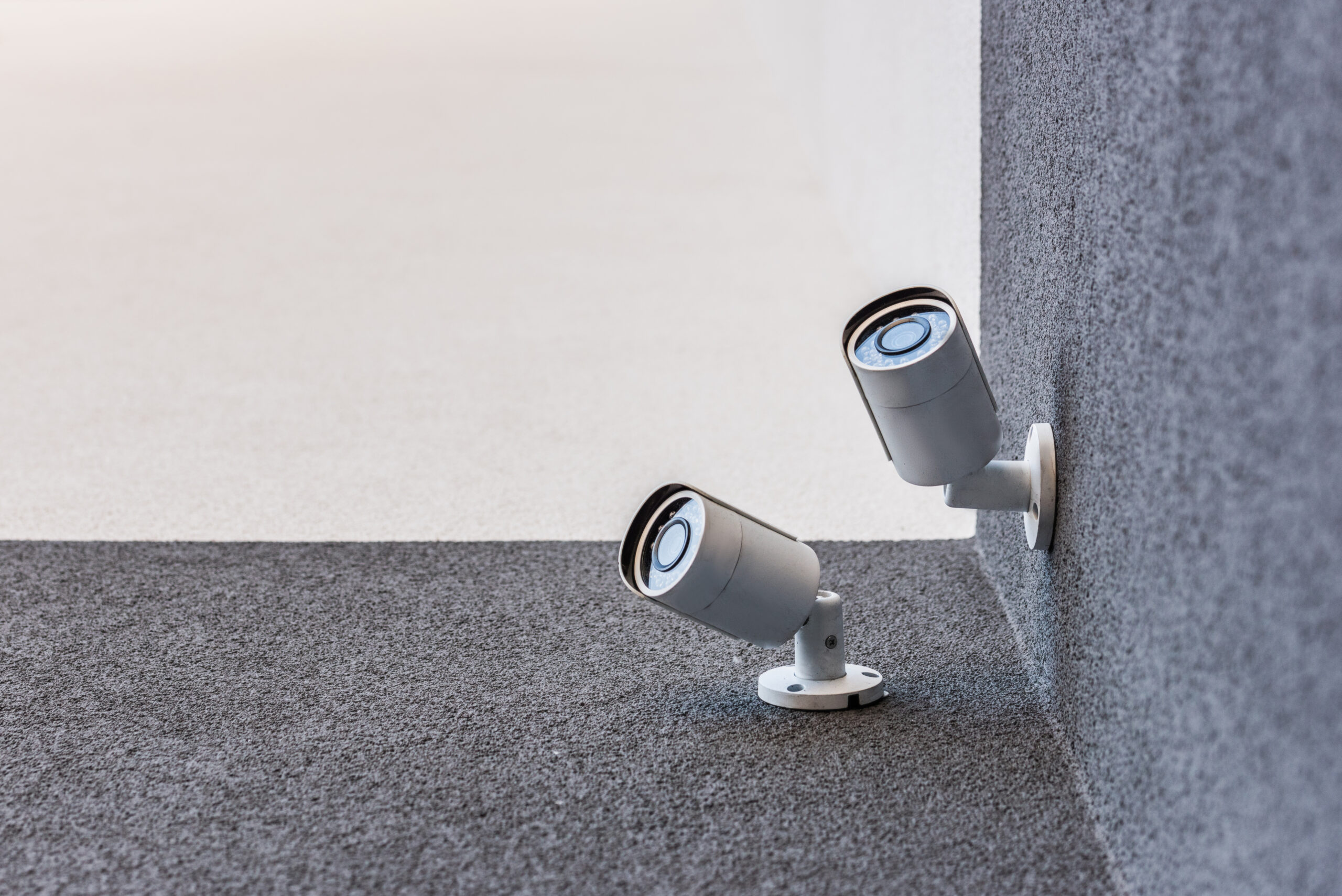
Smart security cameras connect to your home’s Wi-Fi network and transmit video to a cloud-based platform or local storage system. Most systems are controlled through a mobile application that allows homeowners to monitor live footage, review recordings, and adjust settings.
Common features include:
1. Motion detection alerts
Cameras can notify users when movement is detected, helping them respond quickly to potential issues.
2. Night vision capability
Infrared sensors allow cameras to record clear footage even in low-light conditions.
3. Two-way audio
Many cameras include microphones and speakers so homeowners can speak to visitors remotely.
4. Cloud storage
Recorded footage is often stored securely online for later review.
These features make smart cameras a central component of modern home security systems.
Advantages of Smart Security Cameras
1. Real-Time Monitoring
One of the most appealing features is the ability to check your home from anywhere.
Whether you are at work, travelling, or simply in another room, smart cameras allow instant access to live video feeds through a mobile device.
For many households, this convenience alone makes the technology worthwhile.
2. Deterrence Against Crime
Visible security cameras can act as a strong deterrent to potential intruders.
Criminals often avoid properties where surveillance systems are clearly present. Even a modest camera setup can make a home appear significantly less attractive as a target.
3. Evidence Collection
If an incident does occur, recorded footage can provide valuable evidence for law enforcement or insurance claims.
High-definition cameras capture clear images that may help identify individuals or document events accurately.
4. Integration with Smart Devices
Modern cameras can integrate with other smart home devices such as:
- Smart doorbells
- Alarm systems
- Motion sensors
- Smart lighting
For example, a camera detecting movement may trigger outdoor lights or activate an alarm.
This interconnected functionality enhances the overall effectiveness of home security systems.
Integration with Smart Doorbells and Alarms
Smart security cameras often work best when combined with other devices.
1. Smart Doorbells
Video doorbells have become extremely popular in the UK.
They allow homeowners to:
- See who is at the door
- Speak to visitors remotely
- Record deliveries or interactions
When paired with external cameras, they provide a broader view of activity around the property.
2. Alarm Systems
Many modern alarm systems integrate directly with smart cameras.
This means cameras can:
- Begin recording when alarms trigger
- Send instant notifications
- Provide visual verification of alerts
This integration reduces false alarms and provides greater clarity when something unusual happens.
Understanding Subscription Costs
One factor that often surprises new users is the presence of subscription fees.
While cameras themselves may seem reasonably priced, many features require ongoing payments.
Typical subscription services provide:
- Cloud video storage
- Advanced motion detection
- Extended recording history
- Facial recognition alerts
Costs vary depending on the provider but often range between £3 and £10 per month per camera.
Over time, these fees can add up.
However, many households consider the convenience and additional features worthwhile.
When evaluating any system, it is important to factor these recurring costs into the overall smart security cameras review UK buyers should consider.
Privacy Laws and Legal Considerations in the UK
Installing security cameras around your home may seem simple, but there are privacy regulations to consider.
In the UK, homeowners must comply with data protection laws when using surveillance equipment that captures images outside their property boundaries.
When the law applies?
If your camera records areas beyond your private property, such as:
- Public streets
- Neighbouring gardens
- Shared driveways
then the UK Data Protection Act and GDPR rules may apply.
Key responsibilities
Homeowners should ensure that:
- Cameras are positioned responsibly
- Recording areas are limited where possible
- Clear signage indicates CCTV presence
- Recorded footage is stored securely
Failure to comply with privacy laws could lead to complaints or legal consequences.
Respecting neighbours’ privacy
Maintaining good relationships with neighbours is always advisable.
Before installing cameras that may capture shared spaces, it is often helpful to discuss the installation openly.
This simple step can prevent misunderstandings and maintain community trust.
Indoor vs Outdoor Cameras
Smart security cameras generally fall into two categories.
1. Outdoor cameras
Designed to withstand weather conditions, outdoor cameras typically include:
- Weatherproof casings
- Night vision
- Motion sensors
- Wider viewing angles
They monitor entrances, driveways, and gardens.
2. Indoor cameras
Indoor cameras are smaller and usually monitor internal spaces such as:
- Hallways
- Living rooms
- Home offices
Some homeowners use them for security, while others use them for monitoring pets or checking on children.
Are Smart Cameras Easy to Install?
One of the advantages of modern home security systems is their relatively simple installation.
Many cameras are designed for DIY setup.
Installation usually involves:
- Mounting the camera
- Connecting to Wi-Fi
- Downloading the companion app
- Configuring alerts and settings
For those less comfortable with technology, professional installation services are also available.
Potential Drawbacks of Smart Cameras
Despite their advantages, smart cameras are not perfect.
1. Internet dependency
Because most cameras rely on Wi-Fi, internet outages can temporarily disable remote monitoring.
2. False alerts
Motion detection systems sometimes trigger alerts for harmless activity such as:
- Passing cars
- Pets
- Tree branches moving in the wind
Adjusting sensitivity settings can reduce these occurrences.
3. Ongoing costs
As discussed earlier, subscription services may increase long-term expenses.
Homeowners should carefully evaluate whether premium features are necessary.
Smart Security Cameras Review UK: What Users Say?
Across the UK, many homeowners report positive experiences with smart security cameras.
Common feedback includes:
- Greater peace of mind
- Convenient remote access
- Useful evidence during incidents
- Improved home monitoring
However, some users mention frustrations related to:
- Subscription fees
- App reliability
- Wi-Fi connectivity issues
Overall, most smart security cameras review UK discussions suggest that these systems are most valuable when integrated with other security measures.
Tips for Choosing the Right Smart Camera
When selecting a system, consider the following factors.
1. Video quality
Look for cameras with at least 1080p resolution for clear footage.
2. Night vision
Ensure cameras provide reliable recording in low-light conditions.
3. Storage options
Check whether footage is stored locally, in the cloud, or both.
4. Compatibility
Choose systems that integrate with existing smart home devices.
5. Security features
Select brands with strong encryption and privacy protections.
Are Smart Cameras Worth It?
The answer largely depends on individual circumstances.
For many homeowners, smart cameras offer significant benefits:
- Improved security awareness
- Quick alerts during suspicious activity
- Evidence in case of incidents
- Remote monitoring convenience
However, they should be viewed as part of a broader home security strategy, not the only solution.
Combining cameras with proper locks, lighting, and alarm systems provides the most effective protection.
Concluding Thoughts!
Smart security cameras have become an increasingly popular feature of modern home security systems, offering real-time monitoring, convenient remote access, and valuable integration with alarms and doorbells. While subscription costs and privacy considerations require careful thought, many UK homeowners find that the added visibility and reassurance make these devices a worthwhile investment. When installed responsibly and used alongside other security measures, smart cameras can significantly enhance household safety while providing peace of mind in an unpredictable world, so for more practical home advice and thoughtful household insights, do remember to keep following The Household Daily.