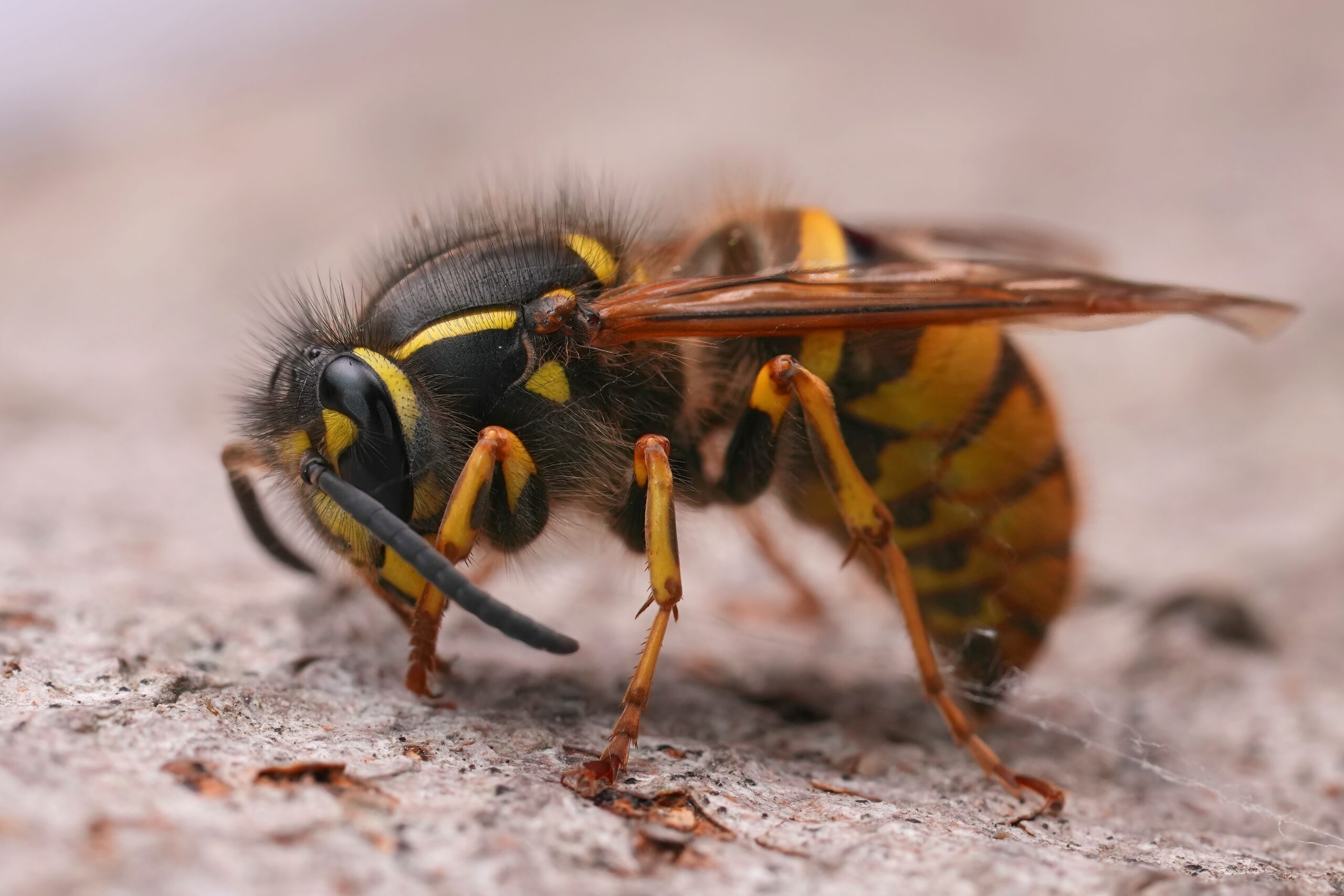
Wasps, rats, or Mice, three uninvited guests that have an uncanny ability to appear precisely when you least want company. One moment you’re enjoying a quiet cup of tea, the next you’re dodging a wasp in the kitchen, hearing scratching behind the walls, or spotting a tiny whiskered intruder dashing across the sofa. Not exactly the kind of wildlife experience most homeowners sign up for.

While some pest issues can be handled with a bit of DIY determination, others demand immediate professional attention. The trick is knowing when you’re dealing with a minor inconvenience, and when you’re facing a situation that could impact your health, safety, or even the structure of your home.
Why These Three Pests Deserve Special Attention?
Not all pests are created equal. Wasps, rats, and mice are among the most common and problematic pests in UK homes.
What Makes Them Different?
- Wasps pose immediate physical danger through stings
- Rats can cause serious structural damage and spread disease
- Mice multiply quickly and contaminate living spaces
Each requires a slightly different approach, but all share one key trait: ignoring them rarely ends well.
1. Wasps: A Small Insect with a Big Attitude
Wasps are particularly active during the warmer months, especially from late spring through summer.
Health Risks
- Painful stings
- Risk of allergic reactions (which can be severe)
- Increased aggression when nests are disturbed
A single wasp is usually just a nuisance. A nest, however, is a completely different story.
When to Call Pest Control for Wasps Immediately
You should act quickly if:
- You’ve identified a visible nest (in lofts, eaves, sheds, or trees)
- Wasps are entering your home frequently
- The nest is near doors, windows, or high-traffic areas
- Someone in your household has a sting allergy
Attempting to remove a nest yourself can be risky. Wasps are highly territorial and will defend their colony with enthusiasm—and numbers.
Wasp Nest Removal Cost UK
The wasp nest removal cost UK typically ranges from:
- £60 to £100 for a standard nest
- £100 to £200+ for difficult access or multiple nests
Considering the risk involved, it’s often money well spent for peace of mind—and fewer unexpected aerial encounters.
2. Rats: The Silent Destroyers
Rats are less visible than wasps but far more destructive.
They tend to appear in:
- Lofts
- Basements
- Kitchens
- Gardens and drains
And once they’ve moved in, they’re not in a hurry to leave.
Health Risks from Rats
Rats are known carriers of diseases, including:
- Leptospirosis (Weil’s disease)
- Salmonella
- Hantavirus
They can contaminate food, surfaces, and even the air quality within your home.
Structural Damage Caused by Rats
Rats have strong teeth that never stop growing, which means they’re constantly gnawing.
Common Damage Includes:
- Chewed electrical wiring (fire hazard)
- Damaged insulation
- Gnawed wood and pipes
- Compromised structural elements
What starts as a faint scratching noise can quickly escalate into a costly repair job.
When to Call Pest Control for Rats Immediately?
Don’t delay if you notice:
- Droppings or strong ammonia-like smells
- Scratching noises in walls or ceilings
- Visible damage to wires or wood
- Sightings during the day (often indicates a large infestation)
Rats reproduce quickly, so early intervention is key.
3. Mice: Small but Surprisingly Problematic
Mice may look less intimidating than rats, but they bring their own set of challenges.
Why Mice Are Tricky?
- They can squeeze through tiny gaps
- They reproduce rapidly
- They’re excellent at hiding
A single mouse can turn into a full-blown infestation in a matter of weeks.
Health Risks from Mice
- Contamination of food and surfaces
- Spread of bacteria
- Triggering allergies and asthma
Not quite the housemates you’d choose voluntarily.
When to Call Pest Control for Mice Immediately?
Consider professional help if:
- You see multiple mice
- DIY traps aren’t working
- There are signs of nesting (shredded materials, droppings)
- The problem keeps returning
Persistent infestations often indicate hidden entry points or nesting areas that need expert attention.
Seasonal Spikes: When Problems Are Most Likely?
Understanding when these pests are most active can help you stay one step ahead.
Spring & Summer
- Wasps begin building nests
- Activity increases as colonies grow
Autumn
- Rats and mice seek shelter indoors
- Infestations often begin during colder months
Winter
- Rodents settle in warm areas of the home
- Problems become more noticeable
In short, pests follow the seasons, just with far less charm than the British weather.
DIY vs Professional: A Quick Reality Check
DIY Works When:
- The issue is small and contained
- You’ve caught it early
- The pest type is manageable
Call Professionals When:
- There’s a nest, not just a single wasp
- You suspect a rat infestation
- Mice keep returning despite efforts
- There are health or safety risks
Sometimes, it’s simply not worth the gamble.
The Hidden Costs of Waiting Too Long
Delaying pest control can lead to:
- Increased repair costs
- Larger infestations
- Greater health risks
- More expensive extermination
What could have been a quick fix can turn into a prolonged and costly problem.
Prevention Tips to Keep Pests at Bay
For Wasps
- Keep bins sealed
- Avoid leaving sugary food exposed
- Check for early nest formation
For Rats and Mice
- Seal entry points
- Store food securely
- Maintain cleanliness
- Fix leaks and remove water sources
Prevention is always easier and cheaper than a cure.
Concluding Thoughts!
Wasps, rats, or mice are not just minor inconveniences, they can pose serious risks to your health, your home, and your peace of mind. Knowing when to call pest control immediately can save you time, money, and a fair bit of stress.
Whether it’s a buzzing nest above your doorway, scratching in the walls, or tiny footprints across the kitchen floor, acting quickly is always the best approach. A swift response can prevent a small issue from turning into a full-scale invasion.
After all, your home should feel like a haven, not a shared space with uninvited guests. And if you’d like more practical tips, seasonal advice, and straightforward solutions for everyday home challenges, do consider following The Household Daily for guidance that keeps your home running smoothly all year round.