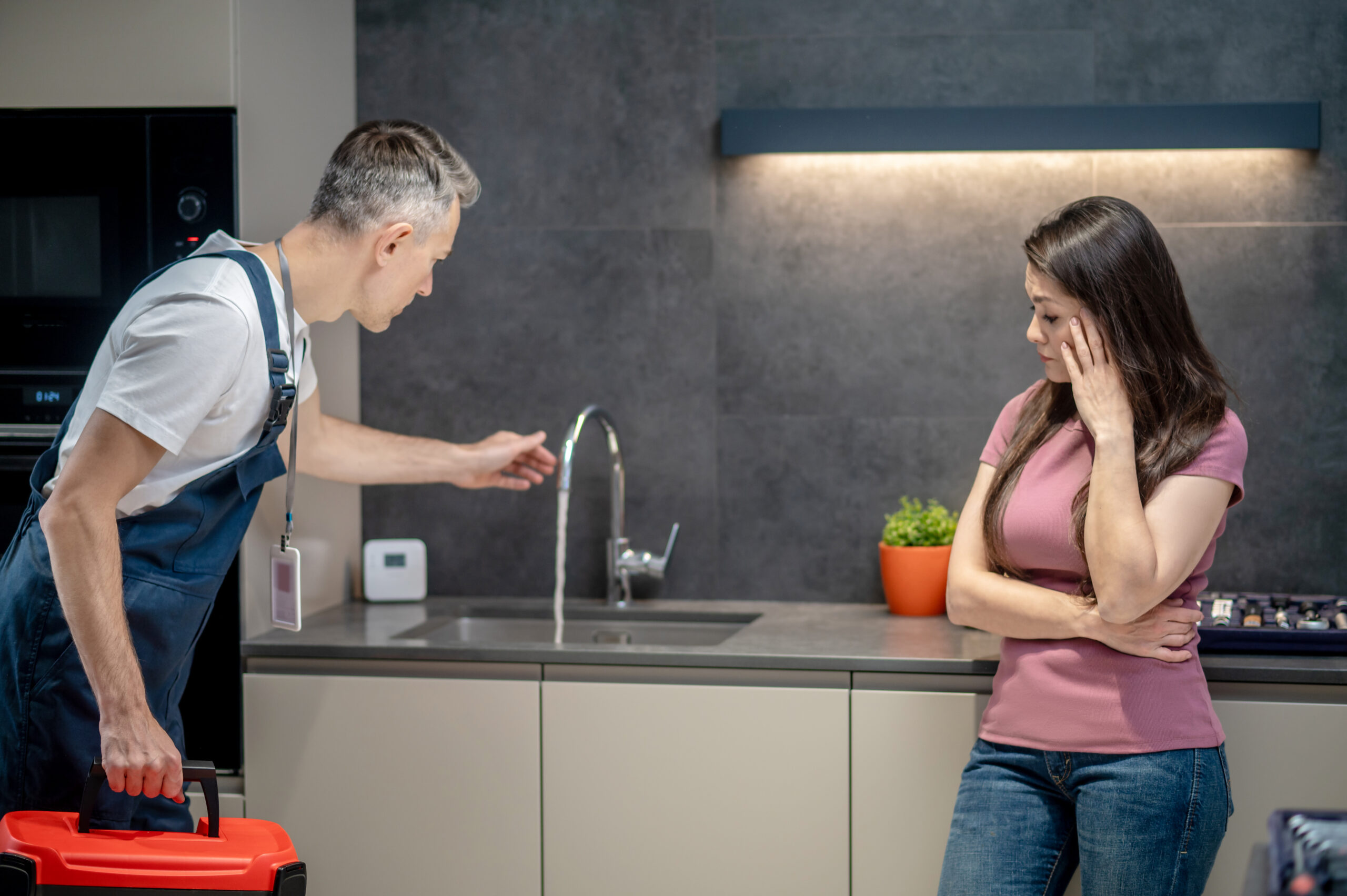
Plumbing Emergencies have a knack for arriving at the worst possible moment, usually when you’re just about to relax, head out, or, quite inconveniently, go to sleep. A dripping tap might seem harmless at first, but a burst pipe or overflowing toilet can turn your calm home into a miniature water park in minutes.

The key to handling plumbing emergencies isn’t just reacting quickly; it’s knowing what you can fix yourself and what absolutely requires a professional. Get that balance right, and you’ll save time, stress, and potentially a significant amount of money. Get it wrong, and you might be adding “unexpected home renovation” to your weekend plans.
First Things First: Know Your Shut-Off Valves
Before tackling any plumbing issue, there’s one essential skill every homeowner should have: knowing how to turn off the water.
Main Water Shut-Off Valve
This controls the entire water supply to your home.
Common locations in UK homes:
- Under the kitchen sink
- Near the water meter
- In a utility room or cupboard
Turning this off can prevent serious water damage in an emergency.
Appliance-Specific Valves
Many fixtures have their own shut-off valves:
- Toilets
- Washing machines
- Dishwashers
These allow you to isolate problems without cutting water to the whole house.
DIY Plumbing Fixes: What You Can Handle?
Not all plumbing issues require a professional. Some are perfectly manageable with basic tools and a bit of patience.
1. Dripping Taps
The Problem:
Constant dripping wastes water and can drive you quietly mad.
DIY Fix:
- Replace worn washers or cartridges
- Tighten fittings
Skill Level: Easy
Risk Level: Low
2. Blocked Sinks and Drains
The Problem:
Slow drainage or complete blockage.
DIY Fix:
- Use a plunger
- Try a drain snake
- Apply a baking soda and vinegar solution
Skill Level: Easy to Moderate
Risk Level: Low
3. Running Toilets
The Problem:
Water continuously running into the bowl.
DIY Fix:
- Adjust the float mechanism
- Replace the flapper valve
Skill Level: Easy
Risk Level: Low
4. Low Water Pressure (Minor Cases)
The Problem:
Weak flow from taps or shower.
DIY Fix:
- Clean aerators
- Check for minor blockages
Skill Level: Easy
Risk Level: Low
Plumbing Emergencies: What You Shouldn’t Attempt?
Some issues are best left to professionals, no matter how confident you feel after watching a few online tutorials.
1. Burst Pipes
Why It’s Serious:
- Rapid water damage
- Risk of structural issues
- Potential electrical hazards
What to Do:
- Turn off the main water supply immediately
- Call a plumber
DIY Verdict: Absolutely not
2. Major Leaks
If water is pooling quickly or soaking into walls or ceilings, it’s beyond a DIY fix.
Risks:
- Mould growth
- Structural weakening
- Expensive repairs
DIY Verdict: Call a professional
3. Boiler Issues
Your boiler is not the place for experimentation.
Risks:
- Gas leaks
- Carbon monoxide exposure
- System damage
DIY Verdict: Strictly for certified professionals
4. Sewage Backups
One of the least pleasant plumbing emergencies—and one of the most hazardous.
Risks:
- Health hazards
- Contamination
- Strong odours (understatement of the year)
DIY Verdict: Definitely not
Emergency Plumber Cost UK: What Should You Expect?
When DIY isn’t an option, calling a professional is the safest route.
Typical Emergency Plumber Cost UK:
- Call-out fee: £50 – £150
- Hourly rate: £75 – £150
- After-hours or weekend rates: Higher
Common Jobs:
- Burst pipe repair: £150 – £400+
- Leak detection: £100 – £300
- Toilet repair: £75 – £200
While the cost may seem high, it’s often far less than the price of repairing water damage caused by delayed action.
The Essential Do & Don’t List
DO:
✔ Turn off the water supply immediately
✔ Keep basic tools handy (plunger, wrench, tape)
✔ Act quickly to minimise damage
✔ Use towels or buckets to contain leaks
✔ Know your limits
DON’T:
✘ Ignore small leaks; they rarely stay small
✘ Use excessive force on fittings
✘ Mix chemical drain cleaners
✘ Attempt complex repairs without knowledge
✘ Delay calling a professional when needed
Safety Warnings You Shouldn’t Ignore
Plumbing emergencies can pose serious safety risks.
1. Electrical Hazards
Water and electricity are a dangerous combination. If water is near electrical outlets or appliances:
- Turn off electricity at the mains (if safe)
- Avoid contact
2. Slip Hazards
Wet floors can quickly become dangerous.
- Use non-slip mats or towels
- Clean up water promptly
3. Contaminated Water
Sewage or dirty water can carry harmful bacteria.
- Avoid direct contact
- Wear gloves if necessary
Preventing Plumbing Emergencies
While not all emergencies can be avoided, regular maintenance can significantly reduce the risk.
Simple Preventative Measures:
- Check for leaks regularly
- Insulate pipes in winter
- Avoid pouring grease down drains
- Service your boiler annually
- Keep drains clear
A little effort now can save a lot of trouble later.
When in Doubt, Call It Out?
There’s no shame in calling a professional, especially when the stakes are high.
Call a Plumber If:
- You’re unsure about the problem
- The issue is worsening
- There’s risk to safety or property
- DIY attempts haven’t worked
Sometimes, the smartest DIY decision is knowing when not to DIY.
Final Thoughts!
Plumbing Emergencies can be stressful, messy, and occasionally overwhelming, but with the right knowledge, you can handle many situations confidently while avoiding costly mistakes. Knowing what you can fix yourself and when to call in a professional is the key to protecting your home and your peace of mind.
From simple DIY fixes like unblocking a drain to recognising when a burst pipe needs immediate expert attention, being prepared makes all the difference. Add in a clear understanding of shut-off valves, safety precautions, and realistic expectations around emergency plumber cost UK, and you’ll be far better equipped to deal with whatever comes your way.
Because while plumbing problems may be unavoidable from time to time, chaos doesn’t have to be. And if you’d like more practical tips, straightforward advice, and a touch of everyday wit for managing your home, do consider following The Household Daily, your go-to guide for keeping things running smoothly, even when the pipes have other ideas.