Fixing Squeaky Floorboards Without Lifting Carpets might sound like wishful thinking, after all, most of us assume that creaky floors automatically mean pulling everything up and preparing for a full DIY saga, but thankfully, that’s not always the case.

That familiar creak underfoot can range from mildly annoying to downright theatrical, especially in older UK homes where character often comes with a soundtrack. Whether it’s a soft squeak in the hallway or a dramatic groan in the bedroom, squeaky floorboards are usually harmless, but rarely welcome.
The good news? Many cases of creaky floors UK homeowners deal with can be fixed without lifting carpets or turning your home into a mini building site. In this guide, we’ll explore what causes squeaky floorboards, practical no-lift repair methods, when to consider professional help, and how to keep your floors blissfully quiet going forward.
Why Do Floorboards Squeak?
Before diving into fixes, it helps to understand what’s causing the noise in the first place.
Squeaks usually occur due to movement, specifically, when parts of the floor rub against each other. This could be:
- Floorboards rubbing against nails
- Loose boards moving over joists
- Gaps forming due to shrinkage
- Subfloor movement
Common Causes of Creaky Floors in UK Homes
1. Natural Ageing
Older properties, particularly Victorian and Edwardian homes, often have timber floors that have settled over time.
2. Seasonal Changes
Just like doors and windows, wood expands and contracts with temperature and humidity changes.
3. Loose Nails or Screws
Over time, fixings can loosen, allowing boards to shift slightly.
4. Gaps Between Boards and Joists
As timber dries out, small gaps can form, leading to movement and noise.
5. Poor Installation
In some cases, boards may not have been secured properly during installation.
The Challenge: Fixing Without Lifting Carpets
Traditionally, fixing squeaky floorboards involves lifting carpets to access the boards directly. But that’s not always practical, or desirable.
Whether you’ve got fitted carpets, heavy furniture, or simply no appetite for a full flooring project, no-lift methods offer a far more convenient solution.
No-Lift Methods to Fix Squeaky Floorboards
Let’s explore some practical ways to tackle the problem without pulling up your carpet.
1. Squeak Repair Screws (Carpet-Friendly Kits)
One of the most effective solutions for floorboard repair without lifting carpets is using specialised squeak repair kits.
How They Work?
- These kits use breakaway screws designed to go through the carpet into the floorboard and joist
- Once installed, the screw head snaps off below the carpet surface
- The result? A secure fix with no visible damage
Step-by-Step
- Locate the squeaky area
- Use the kit’s guide tool to position the screw
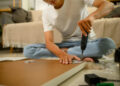
- Drill through the carpet and into the floor
- Snap off the screw head
Pros
- No need to lift carpets
- Quick and effective
- Minimal visible impact
Cons
- Requires careful placement
- Not suitable for all floor types
2. Talcum Powder or Graphite
For minor squeaks caused by friction between boards:
How It Works?
- Sprinkle talcum powder or powdered graphite into the gaps
- Work it in with a brush or by walking over the area
Why It Helps?
- Reduces friction between moving parts
- Provides a temporary but often effective fix
A Note of Caution
- This method works best for surface-level squeaks
- It may need repeating over time
3. Lubrication Through Gaps
If there are visible gaps between boards:
- Apply a dry lubricant (like graphite powder)
- Avoid oil-based products, which can stain carpets
4. Securing from Below (If Accessible)
If you have access to the floor from below (e.g. via a basement or crawl space):
What to Do?
- Identify the squeaky area
- Insert wooden shims between joists and floorboards
- Apply wood glue for added stability
Benefits
- Completely hidden fix
- No impact on flooring above
5. Weight Distribution Tricks
Sometimes, squeaks are caused by slight flexing:
- Add rugs or runners in high-traffic areas
- Rearrange furniture to reduce pressure points
It’s not a permanent fix, but it can reduce noise significantly.
Tools You’ll Need
Depending on the method you choose, you may need:
- Squeak repair kit
- Drill
- Screwdriver
- Talcum powder or graphite
- Brush or cloth
- Torch (for inspection)
Nothing too heavy-duty, just practical tools for a targeted fix.
When No-Lift Methods Won’t Work
While no-lift solutions are convenient, they’re not always enough.
Signs You Need a Bigger Fix
- Persistent or worsening squeaks
- Large areas affected
- Visible floor movement
- Structural concerns
In these cases, lifting the carpet and addressing the issue directly may be unavoidable.
When to Hire Professional Help?
Sometimes, calling in an expert is the best option, especially if the problem goes beyond a simple squeak.
Situations That Call for a Professional
- Extensive floor movement
- Damaged joists or subfloor
- Multiple squeaky areas
- Uncertainty about the cause
What a Professional Will Do
- Identify the root cause
- Secure boards properly
- Replace damaged components if needed
- Ensure long-term stability
Typical Costs for Floorboard Repair in the UK
Costs vary depending on the extent of the issue:
- Minor repairs: £80–£150
- Moderate repairs: £150–£300
- Larger structural fixes: £300+
While it’s an investment, it can save time, and sanity.
Preventing Future Squeaks
Once your floors are quiet again, a bit of maintenance can keep them that way.
Control Humidity
- Use dehumidifiers if needed
- Ensure good ventilation
Regular Checks
- Listen for early signs of squeaking
- Address issues before they worsen
Proper Fixings
- Use screws instead of nails where possible
- Ensure boards are securely attached
Carpet Care During Repairs
If you’re fixing squeaks through carpet:
- Work carefully to avoid damage
- Use proper guides and tools
- Test in a small area first
A little caution goes a long way in preserving your flooring.
DIY vs Professional: A Quick Comparison
| Factor | DIY No-Lift Fix | Professional Repair |
|---|---|---|
| Cost | Low | Moderate |
| Time | 1–2 hours | Few hours |
| Skill Level | Basic | Expert |
| Effectiveness | Good for minor issues | Best for major problems |
| Disruption | Minimal | Moderate |
The Hidden Benefits of Quiet Floors
Fixing squeaky floorboards isn’t just about quiet.
It can also:
- Improve home comfort
- Increase property appeal
- Prevent further structural issues
And let’s be honest, there’s something deeply satisfying about walking across a silent floor.
Final Thoughts!
Fixing squeaky floorboards without lifting carpets might seem like a tall order, but as we’ve seen, it’s often entirely achievable. With the right tools and a bit of patience, many creaky floors UK homeowners deal with can be quieted without major disruption.
From clever screw systems to simple lubrication tricks, these no-lift methods offer practical, cost-effective solutions that don’t require turning your home upside down. However, when the squeaks persist or point to deeper structural issues, professional floorboard repair is the safest route.
Because while a creaky floor might add a bit of character, most of us would happily trade that charm for a quieter, more peaceful home, especially during late-night trips to the kitchen.
For more practical home fixes and clever DIY solutions, be sure to follow The Household Daily, your trusted guide to making home life just that little bit smoother.