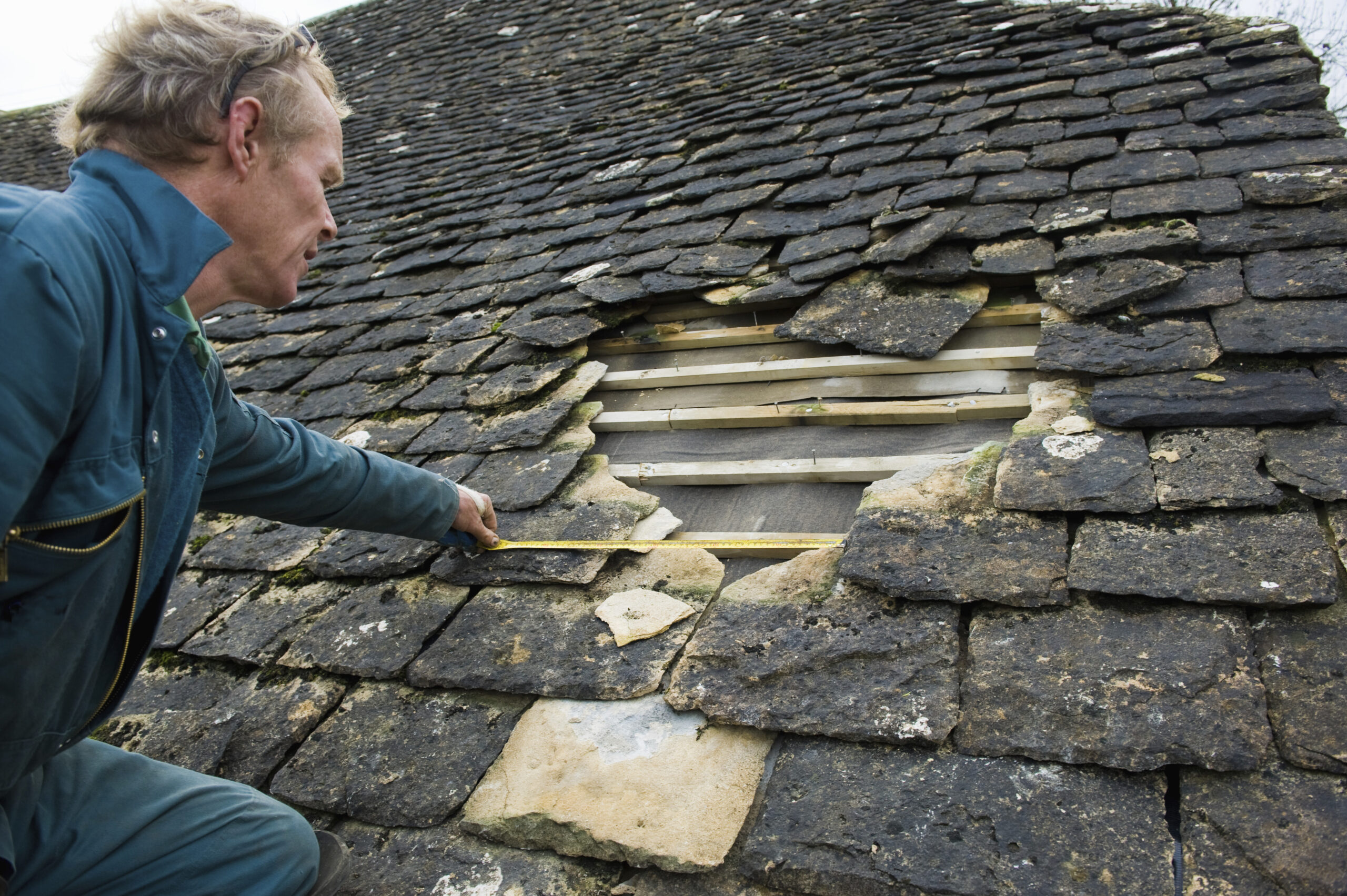
Roof Repairs You Shouldn’t Ignore are often the ones homeowners convince themselves can “probably wait until next month”, right up until a damp patch appears on the ceiling during heavy rain, and suddenly the entire house feels personally betrayed. Roof problems have a habit of starting small, staying quiet for a while, and then becoming dramatically expensive at the exact moment nobody is financially or emotionally prepared for it.

In the UK especially, roofs endure constant punishment from rain, wind, frost, storms, falling branches, moss growth, and wildly unpredictable weather patterns that somehow manage to include sunshine, hail, and sideways rain within the same afternoon. Over time, even well-built roofs develop wear and tear that requires attention.
The good news is that many roofing issues can be repaired relatively affordably when caught early. The bad news is that ignoring them often leads to larger structural damage, interior leaks, mould growth, insulation problems, and repair bills capable of ruining an otherwise perfectly decent week.
Understanding which roof repairs genuinely require urgent attention, how often roofs should be inspected, and what typical UK repair costs look like can help homeowners avoid major headaches later.
Because while a missing roof tile may not seem dramatic initially, water has a deeply impressive ability to find absolutely every possible weakness in a property.
Why Roof Maintenance Matters More?
Roofs quietly protect homes every single day, which is probably why many homeowners rarely think about them until something visibly goes wrong.
Yet roofs play a critical role in:
- Preventing water damage
- Protecting insulation
- Maintaining energy efficiency
- Supporting structural stability
- Preventing mould and damp
- Protecting electrical systems
- Preserving property value
Small roofing issues rarely stay small for long.
Water infiltration is especially dangerous because leaks often spread invisibly inside lofts, ceilings, and wall cavities before obvious signs appear indoors.
By the time homeowners notice stains on ceilings or peeling paint, the damage may already extend far beyond the original problem area.
The Most Common Roof Repairs in the UK
Certain roofing problems appear repeatedly across UK homes, particularly due to weather exposure and ageing materials.
Some issues are cosmetic. Others require urgent roof repairs immediately.
Knowing the difference matters.
Missing or Broken Roof Tiles
Broken or missing tiles are among the most common roofing problems in Britain.
Strong winds, storms, frost damage, and falling debris frequently loosen or crack roof tiles over time.
A single missing tile may not seem urgent, but exposed roofing felt and underlayers allow rainwater to penetrate the roof structure surprisingly quickly.
Typical Repair Costs
- Minor tile replacement: £100–£300
- Larger tile repair sections: £300–£800
Costs vary depending on:
- Roof height
- Tile type
- Accessibility
- Extent of damage
Concrete tiles generally cost less to replace than slate roofing.
Why You Shouldn’t Ignore It?
Even small gaps allow:
- Moisture penetration
- Rotting timbers
- Insulation damage
- Damp growth
Storm season tends to worsen problems rapidly.
Roof Leaks
Leaks are one of the clearest signs that urgent roof repairs are needed.
Unfortunately, roof leaks are not always easy to trace because water often travels along beams or internal structures before dripping visibly indoors.
Common leak causes include:
- Broken flashing
- Missing tiles
- Cracked sealant
- Blocked gutters
- Damaged valleys
- Flat roof deterioration
Signs of Roof Leaks
- Damp patches on ceilings
- Peeling paint
- Mould growth
- Dripping water
- Musty smells
- Discoloured plaster
Typical Repair Costs
- Minor leak repairs: £150–£500
- Moderate leak repairs: £500–£1,500
- Extensive water damage repairs: £2,000+
The longer leaks remain unresolved, the more expensive repairs become.
Water damage spreads quietly but aggressively.
Storm Damage
British storms regularly cause roofing damage through:
- High winds
- Fallen branches
- Heavy rain
- Hail impact
- Lifted flashing
- Detached gutters
After severe weather, roofs should always be visually inspected where safe to do so.
Storm damage often creates urgent roofing situations because exposed areas allow rapid water ingress.
Typical Storm Damage Costs
- Minor storm repairs: £200–£700
- Major storm damage: £1,000–£5,000+
Insurance may cover some storm-related repairs depending on policy terms.
However, delayed reporting or poor maintenance history can complicate claims.
Damaged Flashing
Flashing refers to the metal material sealing joints around:
- Chimneys
- Roof valleys
- Skylights
- Vents
Over time, flashing can crack, loosen, rust, or separate from roofing materials.
Because flashing protects vulnerable roof junctions, damage here frequently leads to leaks.
Typical Repair Costs
- Flashing repairs: £200–£600
- Full flashing replacement: £600–£1,500
Lead flashing tends to cost more due to material prices.
Flat Roof Problems
Flat roofs are especially vulnerable to standing water and weather damage.
Common flat roof issues include:
- Pooling water
- Cracks
- Blistering
- Leaks
- Membrane deterioration
Flat roofs generally require more regular maintenance than pitched roofs.
Typical Repair Costs
- Minor flat roof patching: £150–£500
- Partial replacement: £800–£2,500
- Full flat roof replacement: £2,000–£7,000+
Modern flat roofing materials often last longer than older felt systems, but regular inspections remain essential.
Gutter and Drainage Problems
Technically, gutters are not part of the roof itself, but gutter problems often create roofing damage indirectly.
Blocked or damaged gutters can cause:
- Overflowing water
- Damp walls
- Rotting fascias
- Roof edge damage
- Foundation issues
Leaves, moss, and debris frequently clog gutters during autumn and winter.
Typical Gutter Repair Costs
- Gutter cleaning: £50–£150
- Minor gutter repairs: £100–£300
- Full gutter replacement: £500–£1,500
Regular gutter maintenance helps prevent larger roofing problems later.
Chimney Repairs
Older UK homes frequently develop chimney-related roof issues.
Problems may include:
- Loose flashing
- Crumbling mortar
- Leaning chimney stacks
- Water penetration
Because chimneys sit directly above rooflines, deterioration here can create serious leak risks.
Typical Chimney Repair Costs
- Minor repointing: £300–£800
- Flashing repairs: £250–£700
- Chimney rebuilds: £1,500–£5,000+
Moss Growth and Roof Cleaning
Moss may look harmlessly cottagecore from a distance, but excessive growth can trap moisture against roofing materials.
Over time, this contributes to:
- Tile deterioration
- Blocked gutters
- Water retention
- Frost damage
Heavy moss growth is especially common in damp, shaded areas.
Typical Cleaning Costs
- Moss removal: £300–£800
- Roof cleaning treatments: £500–£1,200
Pressure washing roofs is not always recommended because it can damage tiles if performed incorrectly.
How Often Should Roofs Be Inspected?
Regular inspections help identify roofing issues before they become expensive emergencies.
Most UK homes benefit from:
- Visual roof checks twice yearly
- Additional inspections after major storms
- Professional inspections every few years
Homeowners should look for:
- Missing tiles
- Sagging areas
- Blocked gutters
- Visible cracks
- Flashing damage
- Moss buildup
Binocular inspections from ground level are safer than climbing onto roofs unnecessarily.
Because while spotting one missing tile may feel satisfying, falling off the roof while checking it tends to overshadow the achievement somewhat.
Signs You Need Urgent Roof Repairs
Some roofing issues require immediate professional attention.
Urgent roof repairs are necessary when you notice:
- Active leaks
- Sagging ceilings
- Structural movement
- Multiple missing tiles
- Storm damage
- Water entering loft spaces
- Electrical risks near leaks
- Large cracks
Delaying urgent repairs increases both damage severity and repair costs.
Water damage spreads surprisingly quickly through insulation, timber, plaster, and wiring.
DIY Roof Repairs: When to Avoid Them?
Small visual inspections from ground level are usually safe, but actual roof repairs are often dangerous.
DIY roofing carries risks including:
- Falls
- Structural collapse
- Incorrect repairs
- Water damage worsening
- Insurance complications
Professional roofers have:
- Safety equipment
- Access tools
- Roofing expertise
- Insurance
- Proper training
DIY roof patch jobs sometimes create larger problems later by trapping moisture incorrectly or using unsuitable materials.
Generally, homeowners should avoid climbing onto roofs unless properly trained and equipped.
What Affects Roofing Repair Costs?
Roof repair prices vary significantly depending on several factors.
Roof Height and Access
Multi-storey homes increase labour difficulty and scaffolding requirements.
Roofing Material
Slate, clay tiles, and specialist materials cost more than standard concrete tiles.
Severity of Damage
Minor repairs remain affordable compared with extensive structural repairs.
Emergency Callouts
Urgent roof repairs outside normal working hours usually cost more.
Scaffolding Requirements
Scaffolding alone may add:
- £500–£2,000+ depending on size and duration
Property Age
Older homes sometimes require more specialised repair methods.
Preventative Maintenance Saves Money
One of the smartest ways to reduce roofing costs is preventative maintenance.
Regular upkeep helps catch:
- Loose tiles
- Early leaks
- Blocked gutters
- Flashing wear
- Moss buildup
Minor maintenance costs far less than major structural repairs later.
Simple preventative steps include:
- Clearing gutters annually
- Trimming overhanging branches
- Checking lofts for damp
- Scheduling periodic inspections
- Addressing small repairs promptly
Ignoring minor roofing issues rarely saves money long term.
Why Roof Problems Get Worse?
Roof damage accelerates because roofs face constant exposure to:
- Rain
- Wind
- UV exposure
- Temperature changes
- Frost expansion
- Moisture retention
Once water enters roofing structures, it often spreads silently behind ceilings and walls.
This hidden progression explains why seemingly minor leaks suddenly become major repair projects.
By the time obvious interior damage appears, underlying structural problems may already exist.
Is Roof Repair Worth It or Should You Replace the Roof?
Not every roof problem requires full replacement.
Repairs usually remain worthwhile when:
- Damage is localised
- Roof structure remains sound
- Roofing materials still have lifespan remaining
- Leaks are minor
Replacement becomes more likely when:
- Roof age exceeds expected lifespan
- Multiple recurring leaks exist
- Structural sagging develops
- Large sections deteriorate
Professional roofing assessments help determine the most cost-effective option.
Protecting Your Home Starts at the Top
Roofs are easy to ignore because they sit above daily view, quietly doing their job year after year.
But when roofing problems appear, fast action matters.
Small repairs often remain manageable and affordable when addressed early. Ignored issues, however, can quickly escalate into major structural damage, mould growth, insulation problems, and expensive interior repairs.
Regular inspections, prompt maintenance, and professional attention after storms all help protect both your property and your finances.
And while nobody enjoys spending money on roof repairs, they are considerably less painful than discovering rainwater slowly dripping through the ceiling directly onto your bed during the middle of a stormy British night.
For more practical home maintenance advice, realistic repair guides, and clever household tips, be sure to follow The Household Daily, where smarter home care starts before small problems become expensive disasters.