A driveway clean is a noisy, wet, half-day job, and most of what goes wrong on the day could have been sorted the evening before: a car that cannot be moved, a tap that does not work, a neighbour’s washing on the line. This checklist covers the days before, the morning of, and the end of the visit for the driveway cleaning Berkshire householders book, and it works just as well for a patio or a path.
Driveway cleaning Berkshire checklist: the week before
- Confirm the quote in writing. Surface type, area, whether the price includes re-sanding, weed treatment, sealing and waste removal, and whether VAT is included.
- Confirm water and power. Most firms use your outside tap; some bring a tank. Check the tap works and the hose connector fits. If the firm uses an electric washer, check your outside socket is RCD protected; if there is no outside socket, say so now.
- Tell the neighbours. Pressure washing is loud and throws spray. A neighbour with a car parked tight to the boundary or washing out will thank you.
- Check the weather. Heavy rain makes sealing impossible and frost rules the job out. The Met Office forecast for the Thames Valley is reliable enough a few days ahead.
- Ask about parking. A firm with a van-mounted machine needs to park within hose reach of the drive.
The evening before
- Move all cars off the drive and, if possible, off the street immediately in front. A car left on the drive is the single commonest reason a job is cut short.
- Move pots, bins, bikes, the barbecue and garden furniture off the surface and away from the spray zone.
- Close windows on the ground floor and any that face the drive, and close the garage door.
- Cover or move delicate plants at the edge of the drive; spray and detergent will reach them.
- Leave the side gate open if the firm needs the rear patio or the outside tap.
- Take photographs of the drive, the walls, the garage door and the car-free street. They settle any later dispute about damage.
On the morning: what to agree before the first pass
Walk the surface with the operator. Point out loose blocks, cracked slabs and any area you already know is fragile, because high pressure finds weak spots. Agree where the dirty water is going: ideally a drain or a gully, not the neighbour’s garden or a soakaway near a pond. Agree what happens to the weeds in the joints and whether the firm is applying a treatment. If sealing is included, confirm the surface will be allowed to dry fully first, which can mean a second visit. Confirm the firm has public liability insurance and that the person on site is covered by it. Only then let them start.
What is different in Berkshire
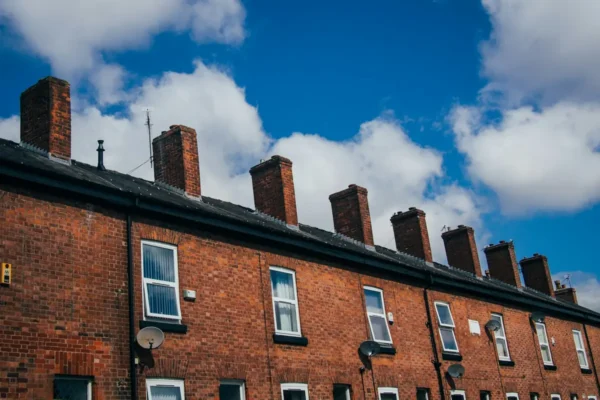
Berkshire’s housing is mostly post-war: 1960s to 1980s estates around Reading, Bracknell, Slough and Wokingham, with newer developments on the edges of every town. That means a lot of block paving and concrete driveways, usually with a dropped kerb and the car parked directly on the surface, so the clear-the-cars rule matters more than anywhere. Older stock in Windsor, Maidenhead and the villages has gravel or brick drives that need gentler work. Berkshire has no county council; it is covered by six unitary authorities, Reading, Wokingham, Bracknell Forest, West Berkshire, Slough and the Royal Borough of Windsor and Maidenhead, and each has its own position on run-off into highway drains and its own trading standards team. Searching driveway cleaning near me from Reading will also turn up firms offering the gutter cleaning Reading Berkshire residents book each autumn, and the window cleaners Bracknell Berkshire households use on a round, and bundling the jobs with one firm is usually cheaper.
When to call a professional
Driveway pressure cleaning itself is ground-level work, but it still carries risks a professional manages: a petrol washer in a closed garage produces carbon monoxide, a high-pressure jet can cut skin, and a surface cleaner on a sloping drive can get away from an inexperienced user. Firms offering a package with gutters, fascias or roof moss removal are then working at height and need a pole system, a tower or secured ladders under the Health and Safety Executive’s guidance. If the house was built before 2000, the garage roof or soffits may be asbestos cement, which must never be jet washed. Silt, weeds and moss collected on the day are waste; the firm removing them should be a waste carrier registered with the Environment Agency, and you remain responsible for that waste under the householder duty of care. Pressure washing services that offer electrical work, such as fitting an outside socket, should hand that to an electrician registered with NICEIC, NAPIT or a similar competent person scheme.
Before you pay
- Walk the whole surface while it is still wet and again once it has dried, because dirt streaks show only on dry paving.
- Check the joints on block paving are full of sand, not hollow.
- Look at walls, doors and windows for scoring or blown render at the edges.
- Ask how to keep the driveway clean after pressure washing: how long to keep cars off, when to brush in more sand, when a sealant can go on.
- Get a receipt that matches the written quote.
Describe your driveway to The Household Daily’s help desk: the surface, roughly how big it is, where the cars go and whether you want it sealed, and the desk will help you take the next step.
Questions people ask
Do I need to move my car for driveway cleaning?
Yes, off the drive and ideally off the road in front, the night before. A car left on the surface is the commonest reason a clean is left incomplete, and spray and grit will mark paintwork.
Does the firm need my water and electricity?
Most use your outside tap; some bring a tank. Electric machines need an RCD-protected outdoor socket, and petrol machines need no power but must not run in a closed garage. Confirm when you book.
How long after cleaning can a driveway be sealed?
Only once the surface is completely dry, which often means a separate visit a few days later in dry weather. Sealing a damp drive traps moisture and clouds the finish.
Ready to take the next step?
Tell the household desk what has happened, where you are and when you need help. We will review it and explain your options.
Describe your job →Guidance is general and refers to the authority that sets each rule. Costs are indicative ranges; always get written quotes. Trade availability and credentials are confirmed when you enquire.