An appliance fails and the first question is whether a repair makes financial sense. This guide sets out how appliance repair cost in Buckinghamshire is typically structured, what pushes a bill up, and when a repair is not worth paying for. Every figure here is indicative; the only number that counts is the written quote you get before work starts.
How the bill is put together
Most domestic appliance engineers price in one of three ways: a call-out or diagnostic fee with parts and further labour charged on top; a fixed-price repair quoted after diagnosis, whatever the job takes; or, with larger firms, a flat repair fee with a guarantee for a set period. Ask which applies before you book, and whether the diagnostic fee comes off the bill if you go ahead. Some firms absorb it, some do not.
How much does appliance repair cost? Indicative ranges
As a rough guide, independent engineers in the home counties typically charge a call-out and diagnosis fee equivalent to an hour or two of labour, with a full repair for a common fault landing somewhere between a quarter and a half of the appliance’s replacement price. By appliance:
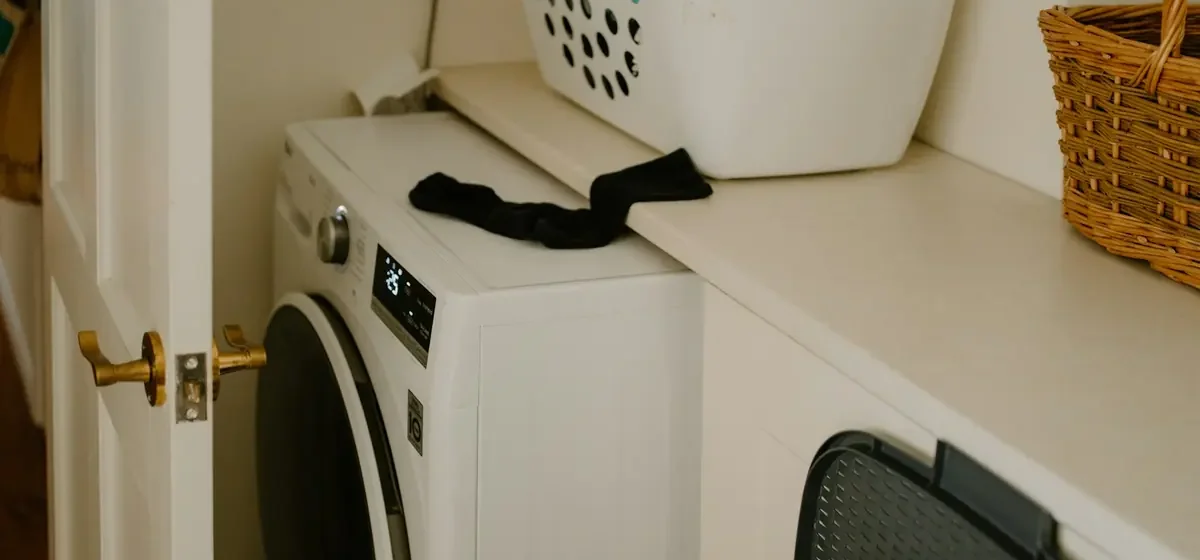
- Washing machines: pumps, door locks, carbon brushes and heating elements are routine and typically sit at the lower end. A failed drum bearing or control board sits at the top, and often tips the decision towards replacement.
- Dishwashers: blocked filters, failed inlet valves and heaters are usually modest jobs. A leaking tub or main circuit board is not.
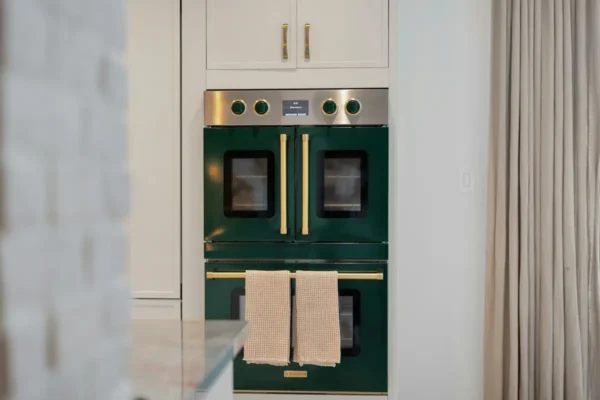
- Ovens and hobs: a fan oven element or thermostat is one of the cheapest repairs there is. Gas hob and oven work must be done by a Gas Safe registered engineer, which narrows the field and can raise the labour rate.
- Fridges and freezers: thermostats, door seals and fans are reasonable. A refrigerant leak or compressor failure on a domestic unit is often uneconomic.
- Tumble dryers: belts, heating elements and thermal fuses are common and typically affordable. Heat pump dryers carry pricier components.
Hotpoint washing machine repair, Beko washing machine repair and Bosch washing machine repair tend to be the easiest to price because parts are widely stocked. Premium or unusual brands cost more for the same fault because the part is dearer and may need ordering.
What moves the price
Age matters because parts for older models become scarce and dearer. Location matters because an engineer travelling from High Wycombe to a Chilterns village may add a travel element. Timing matters: evening, weekend and same-day visits usually attract a premium. Access matters too: an integrated dishwasher behind a door panel, or a washing machine under a worktop in a tight galley, takes longer to get out and back in, and you pay for that time. Finally, if the engineer has to return with a part, a second visit may be charged, so ask when you book.
Is appliance repair worth it?
A simple rule serves most households. If the quoted repair is more than half the price of an equivalent new appliance, and the machine is past the midpoint of its expected life, replacement is usually the better use of money. Below that line, repair is almost always worth it, particularly for ovens, hobs and higher-quality washing machines, which are built to be serviced. Two other things tilt the decision. A new appliance brings a manufacturer’s warranty and often lower running costs. And Citizens Advice points out that under the Consumer Rights Act 2015 goods must last a reasonable time, so an appliance that fails early may be the retailer’s problem rather than yours. Check that before paying anyone.
What is different in Buckinghamshire
The larger towns, High Wycombe, Aylesbury and Amersham, have enough work to support local independents, and a call-out there is straightforward. Marlow and the Chilterns villages are a different matter: older flint and brick cottages often have kitchens with low worktops, uneven floors and limited space, so an appliance shoehorned in twenty years ago can be awkward to pull out, and that adds labour. Commuter estates around the main towns are the opposite, with modern fitted kitchens and standard appliance spaces that make a job quick. Buckinghamshire Council runs household recycling centres that accept electrical items and offers a bulky waste collection for a fee, which matters if the verdict is replacement and the retailer will not take the old machine. Any private firm you use to remove it must be registered as a waste carrier with the Environment Agency; you remain responsible for where your waste ends up.
When to call a professional
Some work is not for householders at any price. Any repair to a gas oven, gas hob or the gas supply to them must be done by an engineer on the Gas Safe Register, and you can check an ID card against the register before they start. A new cooker circuit or any alteration to the consumer unit is notifiable under Part P of the Building Regulations in England and should be done by a registered competent person with NICEIC, NAPIT or a similar scheme. Fridges and freezers contain refrigerant that the HSE expects only trained people to handle. In homes built before 2000, old appliance housings, boiler cupboards and vinyl floor tiles can contain asbestos, so do not drill or break into unknown panels to reach a machine.
Getting a fair quote
Give the make, model number, fault and any error codes when you first call. Ask for the diagnostic fee, labour rate, parts warranty and whether a second visit costs extra. Get two quotes for anything beyond a simple part swap, and get the one you accept in writing.
If you would like help taking the next step, describe the appliance and the fault to The Household Daily’s help desk and we will point you towards the right kind of engineer for the job.
Questions people ask
What is the average cost of appliance repair in Buckinghamshire?
There is no reliable average because the fault, the brand and the age of the machine vary so much. As a rough guide, a common fault on a washing machine, dishwasher or oven typically costs between a quarter and a half of the replacement price including the call-out. Get two written quotes.
Is a call-out fee charged if the appliance cannot be repaired?
Usually yes, because the fee covers the visit and the diagnosis rather than the repair. Ask before booking whether the fee is deducted from the repair cost if you go ahead, and whether it still applies if the engineer advises replacement.
Can I claim an early appliance failure from the retailer instead of paying for a repair?
Possibly. Citizens Advice explains that under the Consumer Rights Act 2015 goods must be of satisfactory quality and last a reasonable time. For a machine that fails well within its expected life, contact the retailer before paying an independent engineer.
Ready to take the next step?
Tell the household desk what has happened, where you are and when you need help. We will review it and explain your options.
Describe your job →Guidance is general and refers to the authority that sets each rule. Costs are indicative ranges; always get written quotes. Trade availability and credentials are confirmed when you enquire.