Rising damp is the most argued-over problem in British housing, and for anyone wondering what is rising damp, the short version is this: it is ground moisture drawn up through porous masonry by capillary action, and it only happens where there is no working barrier to stop it. In Buckinghamshire, with its old cottages and Victorian terraces, it is a real but over-diagnosed condition. This explainer covers how it works, how to recognise it and what proper treatment looks like.
What is rising damp and how does it happen?
Brick, stone and lime mortar are porous. Where masonry sits in damp ground, water rises through those pores the way it climbs a paper towel dipped in a glass, carrying dissolved ground salts with it. It climbs until evaporation from the wall surface balances the supply, in practice somewhere between half a metre and a metre above the floor, which is why rising damp never appears on a first floor.
Most houses built from the late nineteenth century onwards have a damp proof course, a layer of slate, bitumen or, later, plastic set into the wall a couple of courses above ground level. If it is intact and nothing bridges it, rising damp does not occur. The problem arises when the house predates damp proof courses altogether, when an old slate course has cracked, or, far more often, when something has been built against the wall above the course: a raised patio, a flower bed, a rendered plinth, a solid floor laid higher than the original, or external render carried down over the line.
How to recognise it
- A tide mark at a fairly consistent height on ground floor walls, often with a band of staining below it.
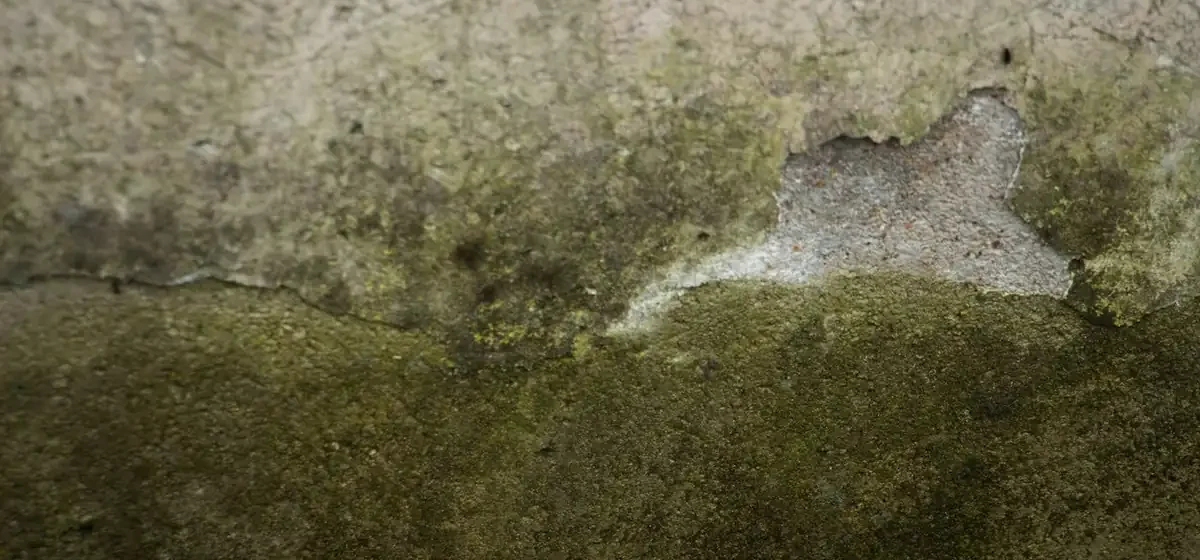
- Salts: a white, fluffy or crystalline deposit on the plaster that reappears after you brush it off. These are hygroscopic, meaning they pull moisture from the air, so the wall stays damp even in dry weather.
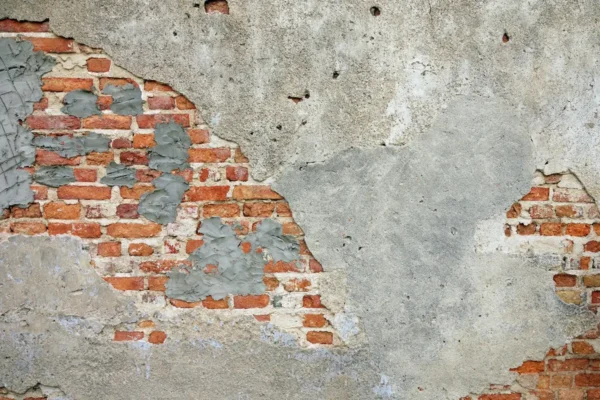
- Blown plaster and peeling paint low down, with skirting boards that are soft or stained at the back.
- No link to rain. Rising damp is steady. If a patch gets worse after a storm, that is penetrating damp through a defect above.
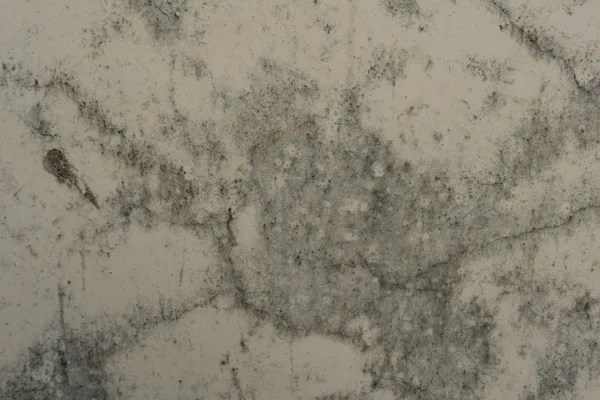
- No mould pattern. Black mould in cold corners, behind furniture and around windows is condensation, which has nothing to do with the ground.
A proper diagnosis measures the moisture profile up the wall, tests for salts and, crucially, checks the outside for bridging before anyone mentions chemicals.
What is different in Buckinghamshire
Buckinghamshire’s older housing is where rising damp genuinely turns up. The Chilterns villages around Amersham, Great Missenden and Princes Risborough have flint and brick cottages built on chalk with no damp proof course at all; these were built with lime mortar, lime plaster and brick or timber floors laid on earth, and they stay dry as long as the walls and floors can dry out. Cement render, plastic masonry paint, vinyl flooring and modern gypsum plaster trap moisture and turn a cottage that was fine for 200 years into a damp one. The Victorian and Edwardian terraces of High Wycombe, Aylesbury and Chesham usually do have a slate damp proof course, and the typical fault there is bridging by later paving or a concrete floor. Buckinghamshire Council’s planning rules on listed buildings and conservation areas, which cover many of the villages, restrict external changes such as render removal, and listed building consent may be needed before remedial work starts.
What proper rising damp treatment looks like
- Remove the cause first. Lower external ground levels, cut back render to above the damp proof course, dig out the flower bed, fix the leaking downpipe. Often this is the whole job, and a good surveyor will say so.
- Let the wall dry. Masonry dries slowly, roughly a month for every 25 mm of thickness as a rule of thumb, so a solid wall can take a year.
- Install a new barrier only if needed. Damp proof injection, where a cream is injected into the mortar bed to form a water-repellent layer, is the usual remedy where a course has failed. For a cottage with no course, specialist advice from a Property Care Association member is essential, because injecting a flint wall is often impractical.
- Replaster correctly. Salt-contaminated plaster must come off, and the wall should be replastered with a salt-resistant or lime-based system that lets moisture escape. This is the part of the job people searching how to treat damp walls internally usually need, and it is also the part most often skipped.
As a rough guide, injection and replastering of a single wall typically runs to several hundred pounds, and treating a whole ground floor to a few thousand, but prices depend heavily on the plaster work. Get written quotes with an insurance-backed guarantee.
When to call a professional
Clearing gutters and lowering a flower bed are yours to do. Hacking off plaster in a house built before 2000 should wait until asbestos has been ruled out, because old textured coatings and some plasters contain it. Where damp has reached sockets or the consumer unit, a registered electrician must check the circuits; consumer unit work in England is notifiable under Part P of the Building Regulations and should be done by a competent person registered with NICEIC, NAPIT or a similar scheme. For diagnosis, use a surveyor with the CSRT qualification or a RICS building surveyor, and for remedial work a Property Care Association member. Plaster and render removed from the house must leave with a waste carrier registered with the Environment Agency.
Taking the next step
If the symptoms match, an independent survey will confirm the cause and tell you whether the fix is a shovel or a specialist. If you want help finding a damp surveyor or contractor in your part of Buckinghamshire, describe the house, its age and what you are seeing to The Household Daily’s help desk and we will help you take the next step.
Questions people ask
Can rising damp occur upstairs?
No. Rising damp is ground moisture drawn up through masonry and it cannot climb much more than a metre. Damp on a first floor is penetrating damp from a roof, gutter or window defect, a plumbing leak, or condensation.
Do old flint cottages in the Chilterns need a damp proof course?
Not necessarily. These walls were built with lime mortar and lime plaster so moisture could evaporate. They become damp when modern cement render, plastic paint or gypsum plaster seals them. Restoring breathable finishes is often the right treatment rather than injection.
What is damp proof injection?
A water-repellent cream injected into holes drilled along a mortar course near the base of the wall. It cures to form a barrier that stops moisture rising. It only works if external causes of damp have been removed first and the wall is replastered with a salt-resistant system afterwards.
How long does a wall take to dry after rising damp treatment?
A common rule of thumb is about a month for every 25 mm of wall thickness, so a solid brick wall can take a year to dry fully. Replastering too soon traps moisture, which is why reputable contractors allow drying time in their programme.
Ready to take the next step?
Tell the household desk what has happened, where you are and when you need help. We will review it and explain your options.
Describe your job →Guidance is general and refers to the authority that sets each rule. Costs are indicative ranges; always get written quotes. Trade availability and credentials are confirmed when you enquire.