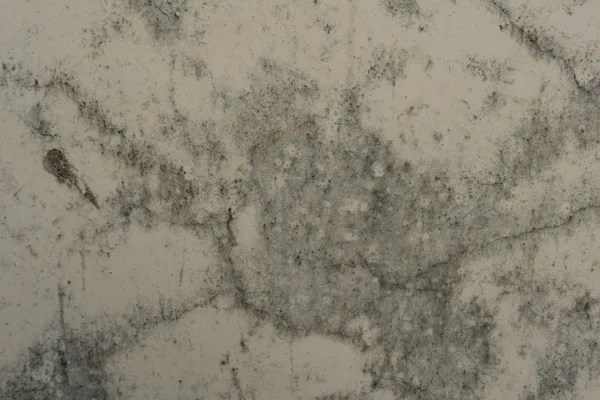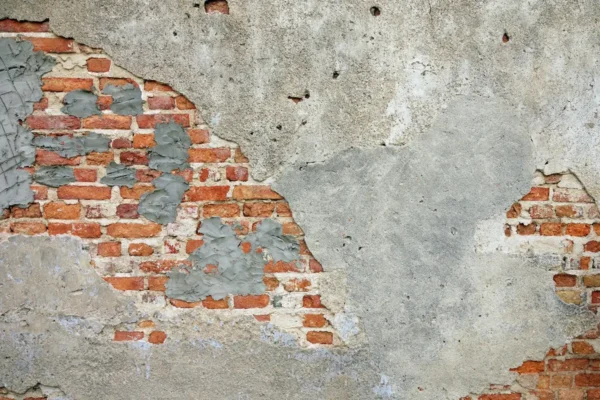

Damp walls, a musty smell or a patch of black mould in a corner send most people straight to a search for damp surveyor near me. A survey is often the right call, but a few checks you can safely make first will either solve the problem for the price of a ladder and an afternoon, or give the surveyor far better information to work with. This is what to look at before you book a damp survey in Kent, and what to have ready when you do.
Safe checks before you book a damp survey in Kent
Start outside, after rain if you can. All of these can be done from the ground or a short step ladder without touching anything electrical.
- Gutters and downpipes. Look for overflowing joints, green staining on the wall below a gutter and downpipes that discharge onto the ground rather than into a drain. A blocked gutter is the single most common cause of penetrating damp.
- Ground levels. The outside ground, path or patio should sit well below the damp proof course, which is usually visible as a line in the mortar a couple of courses above the ground. Soil, decking or a raised bed against the wall bridges it.
- Air bricks. Suspended timber floors need them clear. Painted over, buried or blocked by a new patio means a damp, cold floor and eventually rot.
- Pointing, render and sills. Cracked render, missing mortar and cracked window sills let rain in on the elevation that takes the weather.
- Inside. Check under sinks, behind the washing machine, around the bath and toilet and below radiator valves for slow leaks. Feel whether the patch is wet to the touch (likely a leak or penetration) or whether it is cold, with mould in corners and behind furniture (likely condensation).
What to record
Photograph each patch with something for scale and note the date. Then note the pattern: does it get worse after heavy rain, in cold weather, or after someone has had a bath? Is the staining in a band low on the wall with a tide mark, which is the classic sign people mean when they ask what is rising damp, or is it high up, around a window or below a roof junction, which points to penetrating damp? Is there mould on cold external corners and behind wardrobes, which points to condensation? A week of these notes is worth more to a surveyor than a moisture meter reading.
Information to have ready
- The age and construction of the house: solid brick, cavity, timber frame, rendered, and whether the walls have been insulated.
- Any previous damp proofing work and the paperwork for it, including guarantees.
- Recent changes: a new patio, extension, replacement windows, loft insulation or a change in how the house is heated.
- How the house is lived in: how many people, whether washing dries indoors, whether extractor fans work and are used.
- Whether you own or rent, because a tenant’s route is normally through the landlord and, if needed, the district council’s housing team.
What is different in Kent
Kent has a wide range of housing, and the likely cause of damp differs across the county. In the coastal towns, from Whitstable round to Folkestone and along the Thanet coast, driving rain and salt-laden air punish exposed elevations, and penetrating damp through weathered brick, failed render and old window joints is the usual culprit. In Canterbury, Rochester and the older parts of Maidstone and Faversham, much of the stock is solid-walled brick or ragstone built before cavity walls and modern damp proof courses, so the walls rely on being able to dry out; cement render, plastic paint and sealed floors stop that and create damp where there was none. In the newer estates around Ashford, Ebbsfleet and Kings Hill, the problem is more often condensation in well-sealed homes, or drying-out moisture in the first two years after a new build is finished. Kent County Council does not deal with private damp problems; housing standards in rented property sit with the district and borough councils, and the Environment Agency publishes flood risk information for low-lying areas near the Medway, Stour and the marshes.
What a damp survey involves
A proper survey takes an hour or more. The surveyor inspects outside first, then measures moisture profiles up the wall, tests for the salts that rising damp leaves behind, checks the sub-floor if there is one and looks for the sources you may have missed. A written report should name the cause and rank the remedies from cheapest to most expensive. If someone offers a damp survey in twenty minutes with a meter and a quote on the spot, that is a sales visit, not a survey.
When to call a professional
If a patch is wet, spreading or near electrics, do not wait. Any damp around sockets, switches or the consumer unit needs a registered electrician before anything else; consumer unit work in England is notifiable under Part P of the Building Regulations and should be done by a competent person registered with NICEIC, NAPIT or a similar scheme. Do not scrape or sand textured coatings or old plaster in homes built before 2000 until asbestos has been ruled out. Roofing defects that cause damp need proper access equipment, not a ladder on a wet day. For diagnosis, look for a damp specialist with the CSRT qualification or a RICS building surveyor, and a Property Care Association member for any remedial work.
Taking the next step
Do the outside checks, keep a week of notes and gather the paperwork. Then, if the problem is still there, a survey will be quicker and more accurate. If you want help finding a damp surveyor in your part of Kent, describe what you have found to The Household Daily’s help desk and we will help you take the next step.
Questions people ask
Can I tell rising damp from condensation myself?
Often, yes. Rising damp appears as a band low on a ground floor wall with a tide mark and crumbly salts, and never upstairs. Condensation shows as mould in cold corners, behind furniture and around windows, worse in winter. Penetrating damp follows rain and appears where water gets in, often high on an exposed wall.
How much does a damp survey cost in Kent?
Contractor surveys are often free but come with a quote for that firm's treatment. An independent survey from a qualified surveyor typically costs a few hundred pounds as a rough guide, depending on the size of the house and the report required. Get the fee in writing before booking.
Should a tenant book a damp survey?
Report the problem to the landlord in writing first. Landlords must keep the structure, exterior and installations in repair under the Landlord and Tenant Act 1985, and the property must be fit for habitation. If nothing is done, the district council's housing team can inspect.
Does coastal weather in Kent cause damp?
Exposed elevations in coastal towns take driving rain and salt-laden air, which accelerates the failure of render, pointing and window seals. Penetrating damp on the weather side of the house is the first thing to rule out in these areas.
Ready to take the next step?
Tell the household desk what has happened, where you are and when you need help. We will review it and explain your options.
Describe your job →Guidance is general and refers to the authority that sets each rule. Costs are indicative ranges; always get written quotes. Trade availability and credentials are confirmed when you enquire.