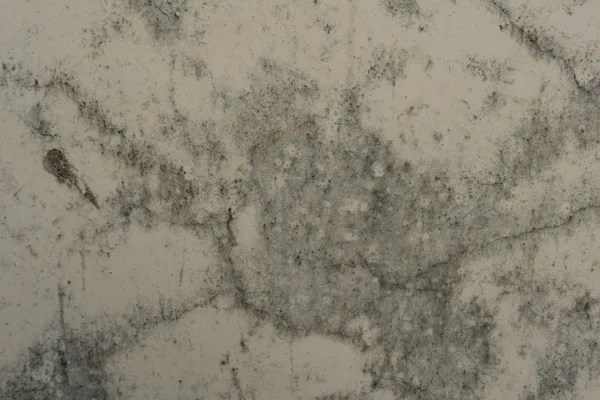
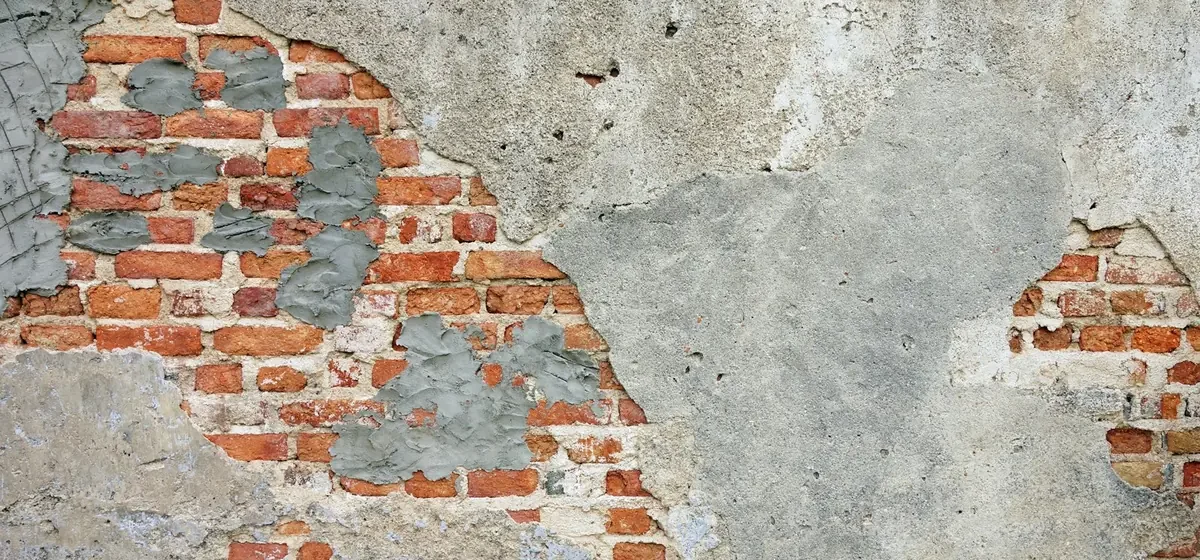
Damp is the household problem most often misdiagnosed, and the cost of getting it wrong is high: a condensation problem treated with a chemical damp proof course leaves you with the same black mould and a hole in your savings. Choosing the right damp specialist in Surrey is therefore less about finding someone quickly and more about finding someone who will tell you what is actually wrong. This guide explains who does what, which qualifications to ask for, and the warning signs that a firm is selling a product rather than a diagnosis.
Surveyor first, contractor second
There are two kinds of damp specialist and it pays to understand the difference. A contractor sells and installs treatments: damp proof injection, tanking, replastering, ventilation systems. A damp surveyor diagnoses the cause and writes a report you can give to any contractor. Most contractors offer a free survey, and many are honest, but the survey is a sales visit and the recommendation is usually the treatment that firm installs. An independent survey typically costs a few hundred pounds, and for anything beyond an obvious leaking gutter it often pays for itself by ruling out work you do not need. Searching damp specialist near me will return both types mixed together, so ask on the phone whether the person coming out installs treatments.
What qualifications to look for in a damp specialist in Surrey
- CSRT (Certificated Surveyor in Remedial Treatment), the recognised qualification for diagnosing damp and timber problems, and CSSW for basement waterproofing.
- Property Care Association membership for contractors. The PCA audits members and runs the industry’s codes of practice.
- RICS membership for a building surveyor who covers damp as part of a wider inspection, which suits a house you are buying.
- Insurance-backed guarantees for any rising damp treatment, so the guarantee survives if the contractor stops trading. Ask who underwrites it.
- Public liability insurance and, for firms with staff, employer’s liability. Ask to see the certificates.
What a good damp survey looks like
A competent surveyor spends time outside before coming in. They check ground levels against the damp proof course, gutters, downpipes, pointing, render and window seals, then inside they look at the pattern of staining, test for salts, check sub-floor ventilation and ask about heating, drying clothes indoors and extractor fans. A moisture meter on its own proves nothing; it reads salts and foil-backed plaster as damp. The written report should name the cause, explain the evidence and list the remedy in order of priority, starting with the cheapest fix. If the report says rising damp without checking the external ground level or the condition of the existing damp proof course, be sceptical.
Red flags
- A free survey that diagnoses rising damp in every room, including upstairs. Rising damp does not climb above about a metre and cannot occur on a first floor.
- A quote for damp proof injection and replastering produced on the doorstep without a written report.
- Pressure to sign on the day, a discount that expires at midnight or a request for a large cash deposit.
- No mention of the simple things: clearing gutters, lowering a flower bed, fixing a dripping overflow, improving ventilation.
- A guarantee that is only as good as the company. Ask for an insurance-backed version.
- No qualifications offered when you ask, or a vague answer about being fully certified.
What is different in Surrey
Surrey’s housing is dominated by detached and semi-detached family homes from the 1930s onwards, many on generous plots. The commonest avoidable damp problem in these houses is a raised garden bed, patio or path built up over the years until it bridges the damp proof course, which lets moisture into the wall above it. A good surveyor will spot it from the drive. The county’s geology matters too: the heavy clay of the Weald holds water against footings, while the greensand and chalk to the north drain freely, so the same symptom can have different causes in Dorking and in Epsom. In rural parts, properties on septic tanks or private drainage can develop damp from a failed soakaway near the house, which is a drainage job, not a damp proofing one. Surrey County Council has no role in private damp problems; district and borough councils deal with housing standards in rented homes and with planning if external works affect a listed building.
When to call a professional
Simple maintenance, clearing gutters, moving a flower bed and running extractor fans, is yours to do. Anything involving stripping plaster in a house built before 2000 should be assessed for asbestos first, because textured coatings and some old plasters contain it. Damp near sockets or a consumer unit needs a registered electrician: new circuits and consumer unit work in England are notifiable under Part P of the Building Regulations and should be done by a competent person registered with NICEIC, NAPIT or a similar scheme. Hacked-off plaster and old render are waste, and the firm removing them must be a registered waste carrier with the Environment Agency.
Taking the next step
Get an independent diagnosis first, then two or three written quotes for the recommended remedy, and compare the guarantees as carefully as the prices. If you want help finding a damp surveyor or a PCA contractor in your part of Surrey, describe the symptoms, the age of the house and what you have already tried to The Household Daily’s help desk and we will help you take the next step.
Questions people ask
Should I pay for a damp survey or get a free one?
A free survey from a contractor is a sales visit, and the recommendation is usually the treatment that firm sells. An independent survey from a CSRT or RICS surveyor costs money but gives you a diagnosis you can take to any contractor, and it often rules out expensive work you do not need.
What qualifications should a damp specialist in Surrey have?
Look for CSRT for surveying, Property Care Association membership for contractors, and an insurance-backed guarantee for any damp proof course work. Ask to see public liability insurance. A vague answer to the qualifications question is a reason to look elsewhere.
Is damp proof injection always the answer to rising damp?
No. Many cases diagnosed as rising damp are bridged damp proof courses, leaking gutters or condensation, all of which are cheaper to fix. Injection is appropriate where the existing damp proof course has genuinely failed and the external causes have been ruled out.
How long should a damp proofing guarantee last?
Guarantees for rising damp treatment commonly run for many years, but a guarantee from a company that no longer exists is worthless. Ask for an insurance-backed guarantee and check who provides the cover.
Ready to take the next step?
Tell the household desk what has happened, where you are and when you need help. We will review it and explain your options.
Describe your job →Guidance is general and refers to the authority that sets each rule. Costs are indicative ranges; always get written quotes. Trade availability and credentials are confirmed when you enquire.