Richmond’s housing is older, more protected and closer to the river than almost anywhere else in London, and all three facts change how appliances are installed, how they fail and how easily they can be repaired. This guide is about the property rather than the machine: what appliance repair in Richmond involves in a Georgian terrace, a Victorian villa, a converted flat in a conservation area and a riverside block that has seen the Thames rise. If you know what your home does to its appliances, you will know what to ask an engineer and what not to be surprised by.
Georgian and Victorian houses
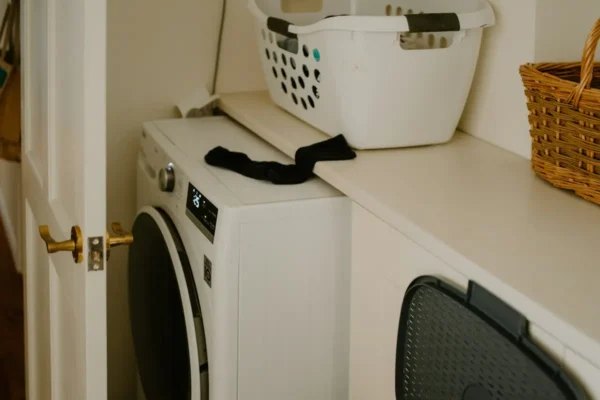
The period houses around the town, the green and the hill were built long before the kitchens they now contain. The kitchen is usually in the original basement or in a rear addition, often reached down a narrow stair or through a side passage, and that governs everything: whether a machine can be carried out, whether a replacement will fit through the door, and how long an engineer needs. Floors are rarely level, which is why old washing machines in these houses walk across the floor and wear out their bearings and suspension early; levelling the feet properly is the first thing a good engineer does. Plumbing is often a mix of lead, copper and plastic from successive refits, with the washing machine teed into whatever waste was nearest, and slow draining is the result. Electrics may be a 1970s or 1980s rewire with few sockets in the kitchen, which means extension leads and overloaded circuits feeding high-draw appliances like tumble dryers; that is a fault waiting to happen and an electrician’s job to put right.
Conservation areas and listed buildings
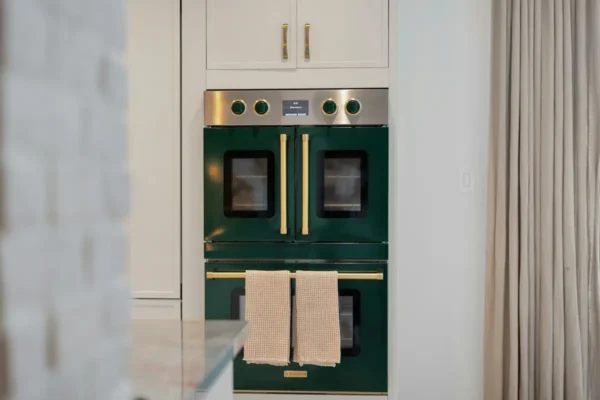
Much of the borough is covered by conservation areas, and a notable number of houses are listed. Replacing a washing machine does not need consent; it is not an alteration to the building. But the work around an appliance sometimes does. Taking a new vent through a front elevation for a vented tumble dryer, fitting a new extractor for a cooker hood, or chasing a new cooker circuit through historic plasterwork can all require listed building consent, and Richmond upon Thames Council’s conservation officers are the people to ask. In practice this pushes householders in these homes towards condenser and heat pump dryers, which need no vent, and towards electric induction hobs, which need a circuit but no flue.
Converted flats and leasehold constraints
A large share of Richmond’s period houses have been split into flats, and most of those are leasehold. The lease matters more than people expect:
- Many leases prohibit washing machines or dishwashers in a flat without the freeholder’s consent, usually because of noise or leak risk to the flat below. Check before you install, and check before you blame a neighbour’s machine.
- The waste pipes within your flat are yours; the communal stack and the drains beyond your demise are the freeholder’s or the management company’s. A drainage fault that an engineer cannot find in the machine may be in the stack.
- Leaks from an appliance into the flat below are the leaseholder’s liability, so a dripping inlet hose is worth fixing the day you notice it.
- Building rules about contractor access, hours of work and parking apply to appliance engineers as to anyone else.
Riverside homes and flooding
Houses and flats near the Thames and its tributaries in the borough sit in areas the Environment Agency maps as at risk of flooding, and some streets flood on high spring tides. For appliances this means two things. First, machines in a ground-floor or basement kitchen that has been flooded, even by a few centimetres, should not be switched back on until an engineer or electrician has checked them; water in the motor, the control board or the socket is a fire and shock risk, and insurers generally require that check. Second, the damp that follows a flood or a wet winter corrodes appliance bases and can cause intermittent electrical faults for months. If you live on one of these streets, keep appliances on a plinth if you can, keep the hoses and connections where you can see them, and sign up to the Environment Agency’s flood warning service for the area.
What is different in Richmond
The borough sits at the junction of London and Surrey, and that is reflected in who repairs what. Many firms offering domestic appliance repair across London also cover Richmond, and local appliance repair engineers here frequently work across Kingston, Twickenham and into Surrey as well, so a firm a few miles away is normal. Parking is the first thing to arrange: most residential streets are permit controlled, and an engineer circling for a space is time on your bill. Richmond upon Thames Council runs a visitor permit scheme and a chargeable bulky waste collection for old appliances, and anyone else who removes a machine must hold Environment Agency waste carrier registration. Because so much of the stock is period property, access is slow, kitchens are irregular, and a job that would take an hour in a modern flat can take two here; a good engineer will ask about the property when you book, and you should tell them before they quote.
When to call a professional
The property type sets the limits. Gas hob, oven and cooker work, including capping an old supply, is for Gas Safe registered engineers only. New cooker or socket circuits and any work at the consumer unit are notifiable under Part P of the Building Regulations in England and should be done by a registered competent person with NICEIC, NAPIT or a similar scheme, and in a listed building the routing may also need consent. Older period houses are very likely to contain some asbestos in boxing, floor tiles or old appliance cupboards, so no one should cut into unknown panels to get to a machine. Anything after a flood is for an engineer, not a householder. As a rough guide, repair costs here are similar to the rest of London, with time and access as the variables, so get a written quote that reflects the property and not just the fault.
If you are unsure what your home means for a repair, describe the property, the appliance and the fault to The Household Daily’s help desk and we will help you take the next step.
Questions people ask
Do I need listed building consent to replace an appliance in Richmond?
Not for a like-for-like swap of a freestanding machine. Consent may be needed for the work around it, such as a new vent through an external wall or a new circuit chased through historic fabric. Ask Richmond upon Thames Council's conservation team before that kind of work.
Can my lease stop me having a washing machine in my flat?
Some leases in converted houses do, usually to protect the flat below from leaks and noise. Read the lease and ask the freeholder or managing agent for consent in writing before installing one.
My kitchen flooded from the river. Can I switch the appliances back on once it has dried?
Not until an engineer or electrician has checked them. Water in a motor, control board or socket is a fire and shock risk even after it appears dry, and most insurers expect a professional inspection before reuse.
Ready to take the next step?
Tell the household desk what has happened, where you are and when you need help. We will review it and explain your options.
Describe your job →Guidance is general and refers to the authority that sets each rule. Costs are indicative ranges; always get written quotes. Trade availability and credentials are confirmed when you enquire.