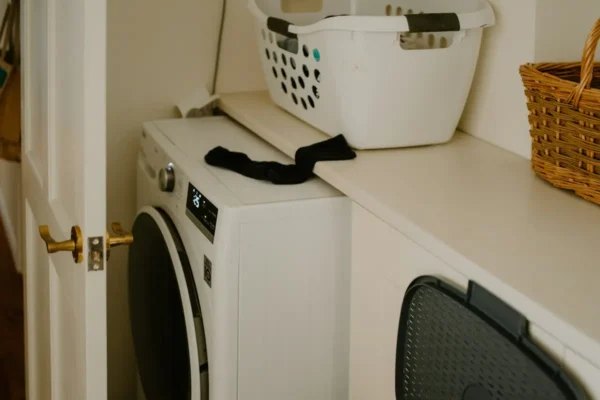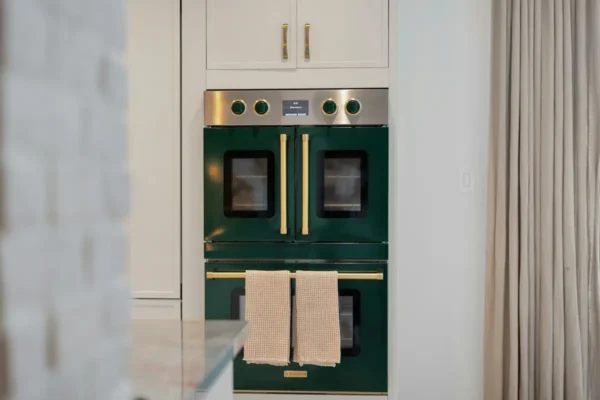
The washing machine in a rented house in Bromley stops working. The tenant assumes the landlord will fix it; the landlord assumes the tenant broke it. Both are sometimes right. The question “does landlord pay for appliance repair” has a clearer answer than most people think, but it depends on the tenancy agreement, the appliance and how it failed. This guide sets out the law in England, what it means for Bromley’s rented homes, and how to avoid a deposit dispute.
What the law actually covers
Section 11 of the Landlord and Tenant Act 1985 puts a repairing obligation on landlords for the structure and exterior of the property and for the installations for the supply of water, gas, electricity and sanitation, and for space heating and heating water: the pipes, the wiring, the boiler, the radiators and the sinks. The section expressly excludes appliances that make use of those supplies, so a cooker, fridge, washing machine or dishwasher does not fall under section 11 at all. GOV.UK and Citizens Advice both make this distinction: white goods are governed by the tenancy agreement, not the Act. The Homes (Fitness for Human Habitation) Act 2018 adds a further duty: the property must be fit to live in throughout the tenancy, and a home with no working means of cooking, or with a dangerous appliance, can fall below that standard whatever the agreement says.
Does the landlord pay for appliance repair?
In practice the answer runs like this:
- If the landlord supplied the appliance and the tenancy agreement lists it, the landlord is normally responsible for keeping it working, unless the agreement says otherwise. Most agreements say the landlord will repair or replace appliances provided, though not necessarily with equivalents.
- If the agreement says appliances are provided “as seen” with no repairing obligation, the landlord may be within their rights to leave a broken machine, though they cannot leave the property unfit to live in under the 2018 Act, and a gas appliance must still be safe.
- If the tenant brought the appliance, it is the tenant’s to repair.
- If the tenant caused the damage, for example a fridge door ripped off, the landlord can repair it and recover the cost, usually from the deposit.
- Gas appliances supplied by the landlord must be checked every year by a Gas Safe registered engineer under the Gas Safety (Installation and Use) Regulations 1998, and the tenant must be given a copy of the record.
Should the tenant pay for appliance repair?
Only for damage they caused or for their own appliances. Fair wear and tear, the gradual decline of a machine through normal use, is the landlord’s cost, and the deposit protection schemes apply that principle when they adjudicate. A tenant who pays for a repair to a landlord’s appliance without agreement is in a weak position to claim it back, so report the fault in writing, allow a reasonable time for a response, and only then discuss arranging the repair yourself and deducting it, a step Citizens Advice recommends taking advice on first. Keep every message. If the landlord refuses to repair an appliance they are obliged to repair, Bromley Council’s private sector housing team can be asked to inspect, and under the 2018 Act the tenant can go to court.
Electrical safety and the appliances in the property
The Electrical Safety Standards in the Private Rented Sector (England) Regulations 2020 require landlords to have the fixed wiring inspected at least every five years by a qualified person and to give the tenant the report. That covers the consumer unit, circuits and sockets, not plug-in appliances, though a faulty appliance that keeps tripping the electrics is often what gets the wiring checked. Landlords are not legally required to PAT test appliances they supply, but the HSE regards it as the sensible way to show they were safe when supplied. Home insurance, for either party, does not usually cover the breakdown of an appliance, only damage it causes.
What is different in Bromley
Bromley is a borough of semis and detached houses, and a good share of its rentals are whole houses rather than flats, often with a full set of landlord-supplied appliances in a fitted kitchen and sometimes a utility room. That makes the inventory more important than anywhere else: insist on one that lists each appliance with its make, model and condition at the start, and photograph them. Older houses also mean older appliances; a landlord who has let the same 1990s dishwasher through five tenancies cannot reasonably charge the sixth tenant when it dies. Requests for dishwasher repair in Bromley and washing machine repair in Bromley often come through letting agents, so if you are a tenant, the agent is your first contact. Bromley Council’s private sector housing enforcement handles complaints about unfit homes, and the council’s chargeable bulky waste service is the usual route for a dead appliance; any clearance firm must be registered with the Environment Agency as a waste carrier.
When to call a professional
Neither landlord nor tenant should attempt anything beyond cleaning filters and clearing hoses. Gas hob, oven and cooker work, including disconnecting an old one, is for Gas Safe registered engineers only, and a landlord who lets anyone else touch it is breaking the law. New cooker circuits and consumer unit work are notifiable under Part P of the Building Regulations in England and should be done by a registered competent person with NICEIC, NAPIT or a similar scheme. In homes built before 2000, which is most of Bromley’s housing, old panels, boxing and floor tiles around appliances can contain asbestos; tenants should never cut into them and landlords should have a survey done if works are planned. Most appliance repairs cost a fraction of what a deposit dispute costs in time and goodwill, and a landlord who gets a written quote and agrees it with the tenant usually pays less and argues less.
If you are a tenant or a landlord in Bromley with a broken appliance and are unsure who should book the repair, describe the situation to The Household Daily’s help desk and we will help you take the next step.
Questions people ask
Does landlord pay for appliance repair if the tenancy agreement says nothing about appliances?
If the landlord supplied the appliance and listed it on the inventory, the usual position is that it is theirs to keep in repair, and the deposit schemes treat wear and tear as the landlord's cost. Ask the landlord or agent in writing and keep the reply.
Should tenant pay for appliance repair when the machine simply wore out?
No. Fair wear and tear is the landlord's cost. A tenant pays only for damage they caused, such as a coin in the pump or a broken door, and even then usually through a deduction from the deposit at the end of the tenancy.
Can a Bromley landlord refuse to replace a broken washing machine?
If the agreement provides the appliance with a repairing obligation, no. If it was provided as seen with no obligation, the landlord may decline, but the home must still be fit to live in under the Homes (Fitness for Human Habitation) Act 2018 and gas appliances must be safe.
Ready to take the next step?
Tell the household desk what has happened, where you are and when you need help. We will review it and explain your options.
Describe your job →Guidance is general and refers to the authority that sets each rule. Costs are indicative ranges; always get written quotes. Trade availability and credentials are confirmed when you enquire.