The patio has gone green, the drive is black with grime and there are guests coming for Christmas. Pressure washing in winter is possible, but on some surfaces it does more harm than good, and in Berkshire a mild wet week can turn to frost overnight. These answers for homeowners around Reading, Bracknell, Newbury and Windsor cover which surfaces can be cleaned now, which should wait until spring, what frost does to block paving, and what the job typically costs.
Is pressure washing possible in winter at all?
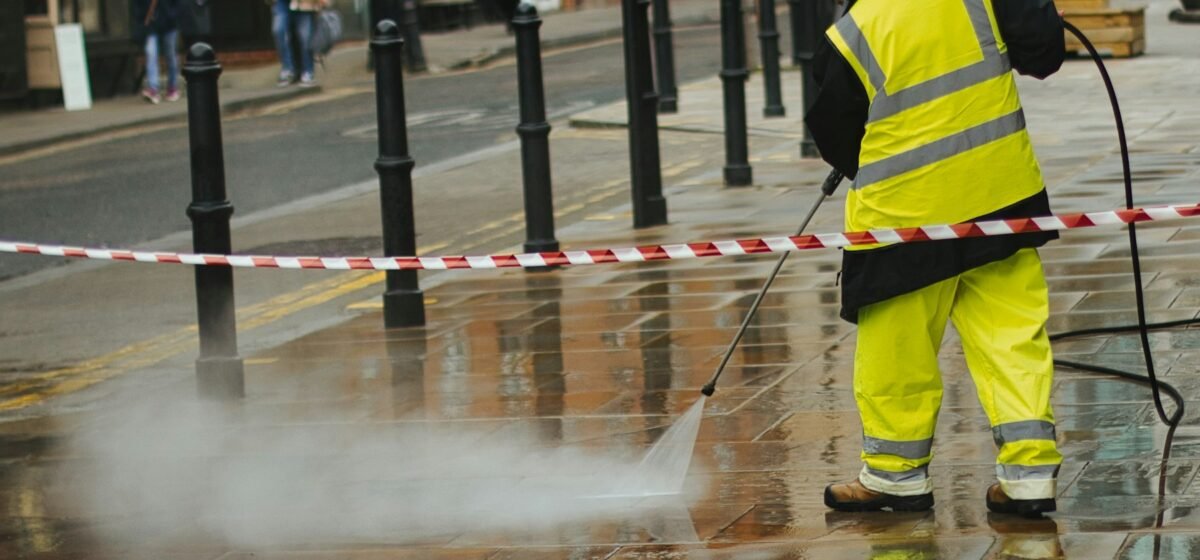
Yes, with conditions. The water itself is not the problem; it is what happens to it afterwards. A surface that is saturated and then freezes expands in every crack and joint, and a wash forces water deeper into those cracks than rain does. The rule most contractors use is a run of three or four dry days above about 5 degrees, with no frost forecast for the following two nights. In a Berkshire December that window comes round, but you may wait a fortnight for it.
The other constraint is drying. In July a washed patio dries in an afternoon. In December it can stay damp for days, which means any sealant or re-sanding cannot go on, and the algae that was just removed has ideal conditions to return. Check the Met Office warnings page for ice warnings before booking, and be ready for the contractor to move the date.
Which surfaces are fine now, and which should wait?
The answer depends on what the surface is made of and how it is jointed.
- Concrete and tarmac drives: fine in winter, as long as there is no frost in the two nights after. There are no joints to wash out.
- Natural stone and concrete flag patios with mortar joints: fine if the pointing is sound. Washing blows out crumbling pointing, and in winter it cannot be repointed until the slabs dry.
- Block paving: the one to be careful with. A wash strips the kiln-dried sand from the joints; frost then lifts the blocks and the pattern starts to move. Blocks must be re-sanded on a dry day, and that may not come for weeks.
- Render and painted masonry: never with high pressure, in any season. Render needs soft washing with a low pressure biocide, and winter is a poor time because the biocide works slowly in the cold.
- Timber decking: a light wash is fine but a high pressure lance furs the grain, and a wet deck in December stays slippery for months.
Our driveway cleaning checklist for Berkshire covers what to do on the day itself.
What does frost do to block paving after a wash?
This is the question that matters most in Berkshire, because the housing estates built since the 1990s around Reading, Wokingham, Bracknell and Thatcham have block paved drives almost without exception. Block paving is held in place by the sand in the joints and the compacted base underneath. Pressure washing removes the sand, which is the point: it takes the weeds, moss and algae with it. The joints then need refilling with kiln-dried sand and brushing in, which needs the blocks bone dry.
If the joints are left empty and it freezes, water in the open joint and in the saturated base expands. The blocks lift, tilt and rock, and once the pattern has moved the edge restraints go and the drive starts to spread. The repair is relifting and relaying, which costs more than the drive cost to clean. If a contractor says they will wash in December and come back to re-sand in March, say no.
Is moss and algae a reason to clean now?
Only when it is a safety problem. Green algae on a north-facing patio or a shaded path becomes a skating rink in frost. In that case a treatment is better than a wash. A biocide applied on a dry day kills the algae and it wears off over the following weeks without blasting water into the joints.
Moss in the joints of paving is the same: a biocide now, a wash and re-sand in April. The Royal Horticultural Society notes that moss and algae on hard surfaces are a sign of shade and damp rather than of the surface itself, which is why cutting back the shrub over the path often does more than any cleaning.
What is different about Berkshire?
The county splits between the Thames valley towns and the chalk downland to the west. The new build estates around Reading, Bracknell, Wokingham and Woodley are block paving and Indian sandstone patios, laid on gravel bases in clay ground that holds water through winter, so joints stay wet and frost does the most damage there. Windsor, Maidenhead and the older parts of Reading have brick paths and York stone, which take a wash well but have lime mortar joints that need care.
Newbury, Hungerford and the villages on the chalk drain faster and dry sooner, so the winter window is a little longer. December brings a spike in requests for drive and patio cleaning before guests arrive, and the good operators are booked. Typical prices, indicative rather than quotes, are £150 to £300 for a two car block paved drive including re-sanding, £120 to £250 for a standard patio, and £40 to £100 extra for a biocide treatment or sealant. Berkshire runs above the national average but below London. Our Berkshire hub has the other local guides.
When to call a professional
Hire a pressure washing machine rather than buy for a one-off, but hire a contractor rather than a machine for block paving, render, decking or any patio with failing joints, because the damage from getting it wrong costs more than the clean. A good operator will tell you to wait if the forecast is wrong, and will quote re-sanding and sealing as part of the job rather than as a return visit. Our exterior cleaning service page explains what the trade covers.
If you want pressure washing done before Christmas and are not sure the surface can take it, or you have a slippery patio that needs a treatment now and a proper clean in spring, our free help desk can find someone with the right equipment and insurance. Send the details through our request help page. The team reviews every enquiry and confirms availability and credentials before anything is agreed, so nothing is booked until they come back to you.
Questions people ask
Can you pressure wash a driveway in winter?
Concrete and tarmac, yes, given a few dry days above about 5 degrees and no frost forecast for the two nights after. Block paving is riskier: the wash strips the jointing sand, and if the joints are not refilled before a frost the blocks lift and move. Re-sanding needs dry blocks, so on block paving most contractors prefer to wait for a settled spell or for spring.
How much does pressure washing cost?
Indicative ranges in Berkshire are £150 to £300 for a two car block paved drive including re-sanding, £120 to £250 for a standard patio, and £40 to £100 extra for a biocide treatment or a sealant. Larger drives and heavily soiled surfaces cost more, and prices run above the national average but below London. These are typical ranges rather than quotes.
Does pressure washing damage block paving?
It can. Washing removes the kiln-dried sand from the joints, which is necessary to get the weeds and algae out, but the joints must then be refilled and brushed in on a dry day. Left empty through a frost, the blocks rock and the pattern spreads. A high pressure lance held too close also etches the block surface, so a flat surface cleaner attachment is better.
What can I do about a slippery green patio before spring?
Apply a patio biocide on a dry day. It kills the algae within a week or two and the growth wears away in the rain without forcing water into the joints. Sweep regularly and cut back anything shading the area. The patio will not look clean until it is washed in spring, but the treatment removes the slip risk through the winter.
Ready to take the next step?
Tell the household desk what has happened, where you are and when you need help. We will review it and explain your options.
Describe your job →Guidance is general and refers to the authority that sets each rule. Costs are indicative ranges; always get written quotes. Trade availability and credentials are confirmed when you enquire.