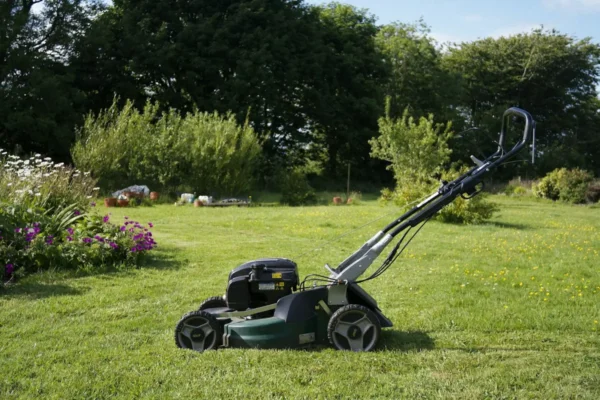

London lawns have a hard life. They are small, heavily used, shaded by neighbouring walls and trees, and sitting on soil that ranges from heavy clay south of the river to free-draining gravel in the north and west. Good lawn care in London is mostly a matter of doing the right job in the right month, and this guide sets out the calendar a gardener would follow, where you can do the work yourself and where gardening services London wide earn their fee.
Autumn: the most important season for lawn care in London
September and October are when a lawn is repaired, not spring. The soil is still warm, rain is returning and grass seed germinates quickly. The sequence a gardener follows:
- Scarify to rake out thatch and moss; on a small London lawn a spring-tine rake is enough, on anything bigger a powered scarifier.
- Aerate with a hollow-tine fork on compacted clay; London’s clay lawns suffer badly from summer foot traffic.
- Overseed bare patches, using a shade-tolerant mix for gardens walled in by neighbours.
- Feed with an autumn lawn fertiliser, which is low in nitrogen and high in potassium so it hardens the grass rather than forcing soft growth.
- Clear leaves weekly. Plane trees and limes drop a great deal, and a lawn left under wet leaves for a fortnight will yellow.
This is also the month for the last hedge trimming of the year. Searches for how to winterize garden climb through October, and the answer for a lawn is simple: raise the mower blades for the final cuts, keep off it when it is wet or frosted, and leave it alone.
Winter: leave it, but clear it
From December to February the lawn needs almost nothing except to be kept clear of debris and not walked on in frost, when footprints bruise the grass and show as brown marks for weeks. Winter is when London gardeners are least busy, which makes it the cheapest time to book the garden waste clearance London householders put off through the autumn: fallen branches, dead bedding, the pile behind the shed. It is also the right time to plan any re-turfing or drainage work for March.
Spring: feed, mow and repair
Start mowing when growth starts, usually March in London’s mild microclimate; the urban heat island the Met Office describes keeps the city a degree or two warmer than the surrounding counties. The first cuts should be high; drop the blades gradually. Apply a spring feed in April once the soil has warmed, and treat moss, which will be worst in shaded north-facing gardens. Re-turf or seed in March and April if autumn was missed. This is the busiest season for gardeners, so a gardener near me search in April will find long waiting lists; book in February.
Summer: mow high and water wisely
London summers are now regularly hot and dry, and the water companies impose hosepipe bans in drought years. A lawn cut at a higher setting shades its own roots and survives drought better than a close-cropped one. Brown grass in August is dormant, not dead, and recovers with autumn rain; do not spend money re-turfing in a heatwave. Mow weekly, edge monthly and leave the clippings on in dry spells to retain moisture. If the hedge is due a mid-summer trim, wait until August when nesting is largely over, and check first.
What is different in London
Three London factors change the calendar. The first is shade: a lawn in a Victorian terrace garden overlooked by a three-storey wall on the south side gets a few hours of direct sun and will never be a bowling green; choose a shade mix and accept thinner grass. The second is access and waste. Most terraces have no side access, so a scarifier, a dozen bags of top dressing and the resulting waste all pass through the house, and most London boroughs now charge for garden waste collection or expect you to use a reuse and recycling centre. A gardener who removes waste must be registered with the Environment Agency, and you keep a duty of care for it. The third is the number of leaseholders and renters: in a converted flat, the garden may be demised to the ground-floor lease, shared, or belong to the freeholder, and that determines who pays for lawn care at all. Parking is the last practical point: a gardener in a controlled parking zone will add the cost of a visitor permit or a meter to the quote, so ask.
When to call a professional
Lawn care is the safest garden job there is, and a householder can do everything above with hired equipment. The professional lines are around the edges. Tree work at height, including the overhanging branches that shade the lawn, needs proper access equipment and a trained operator, and many London trees are protected by Tree Preservation Orders or conservation area rules requiring the borough’s consent. Hedge trimming must respect the nesting season under the Wildlife and Countryside Act 1981. Professional moss and weed treatments need a pesticide certificate under the Plant Protection Products regulations. Garden lighting or a pump on a new circuit is notifiable under Part P of the Building Regulations in England and should be fitted by a registered electrician. If a pre-2000 shed or garage roof is coming down to make space, treat it as possible asbestos cement and use a licensed contractor.
If you want a gardener to take the lawn in hand this autumn, or a one-off scarify and overseed, describe the lawn, the access and the borough to The Household Daily’s help desk and we will help you take the next step.
Questions people ask
When is the best time to repair a lawn in London?
September and October. The soil is warm, rain is returning and seed germinates quickly, so scarify, aerate, overseed and apply an autumn feed then. Spring is the second choice.
Should I water a brown lawn in a London heatwave?
Usually not. Brown grass in August is dormant and recovers with autumn rain. Mow higher, leave clippings on in dry spells and respect any hosepipe ban from your water company.
Who pays for lawn care in a converted London flat?
It depends on the lease. The garden may be demised to the ground-floor flat, shared, or retained by the freeholder and covered by the service charge. Check before booking a gardener.
Ready to take the next step?
Tell the household desk what has happened, where you are and when you need help. We will review it and explain your options.
Describe your job →Guidance is general and refers to the authority that sets each rule. Costs are indicative ranges; always get written quotes. Trade availability and credentials are confirmed when you enquire.