
In a rented home, most London plumbing and heating faults are the landlord’s to fix, but not all, and arguments start where the line is unclear. A boiler that stops working is one thing; a sink blocked with cooking fat is another. This guide covers what the law says, who fixes what, how to report a fault so it counts, and what happens to the deposit.
What the law says
Section 11 of the Landlord and Tenant Act 1985 is the starting point for nearly every tenancy of less than seven years in England. It makes the landlord responsible for keeping in repair the structure and exterior of the property, and the installations for the supply of water, gas and electricity, for sanitation (basins, sinks, baths and toilets) and for space heating and heating water. That covers the boiler, radiators, pipework, cylinder and drains within the property, and a tenancy agreement cannot remove these duties. The Homes (Fitness for Human Habitation) Act 2018 adds a second duty: the property must be fit to live in at the start of the tenancy and throughout it, and a home with no heating, no hot water or a persistent leak causing damp can fall short, giving the tenant a route to court. Separately, the Gas Safety (Installation and Use) Regulations require the landlord to have every gas appliance checked by a Gas Safe registered engineer each year and to give the tenant a copy of the record.
London plumbing and heating: who fixes what
- Boiler breakdown, no heating or hot water: landlord. Report it before searching for repair boiler London options yourself; the landlord chooses the engineer and pays.
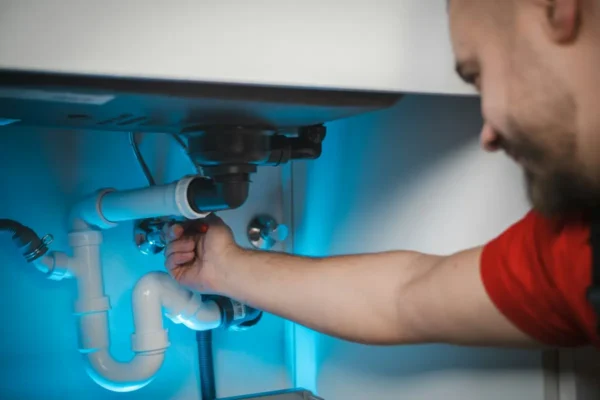
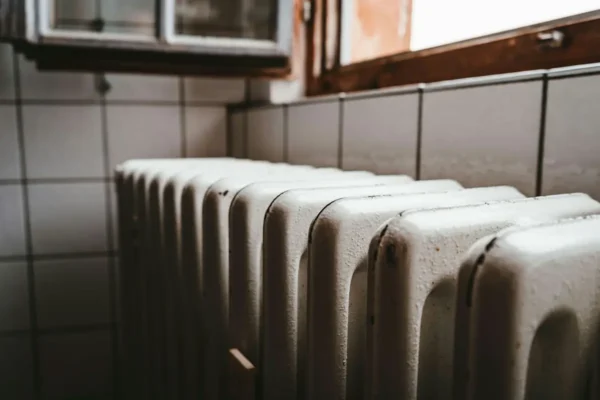
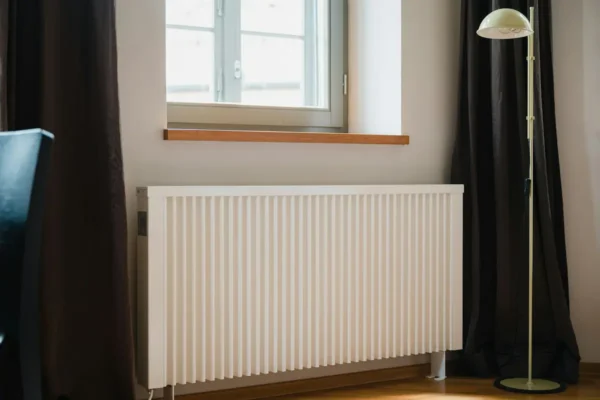
- Leaking pipe, radiator or cylinder: landlord, including the trace and access needed to find it.
- Dripping tap or running toilet: landlord, because taps and cisterns are part of the water and sanitation installations.
- Blocked sink or toilet caused by what the tenant put down it: usually the tenant. Fat, wipes and nappies are the usual culprits.
- Blocked drain caused by tree roots, collapsed pipe or a fault outside the property: landlord, or Thames Water if it is the public sewer.
- Bleeding radiators, repressurising the boiler, replacing a shower hose: tenant, as routine care.
- Frozen condensate pipe because the heating was left off in a cold snap: a grey area; the landlord may argue the tenant should have kept the home warm.
Reporting a fault so it counts
The landlord’s duty under section 11 only begins once they know about the problem, so report it in writing, by email or the agent’s portal, with photographs, and keep a copy. A phone call leaves no record. Citizens Advice suggests a landlord should deal with loss of heating or hot water within a day or two in cold weather and a serious leak immediately, while a dripping tap can wait a couple of weeks. If nothing happens, write again with a deadline, then contact your borough’s environmental health team, which can inspect under the Housing Health and Safety Rating System and serve notice. Do not withhold rent; it risks the tenancy and does not force a repair.
In a genuine emergency, water through a ceiling for example, when landlord and agent cannot be reached, a tenant may call an emergency plumber in London to make the property safe and seek to recover the cost. Keep it to making safe, keep the invoice and tell the landlord at once.
Deposits and damage
At the end of the tenancy, the deposit schemes draw a clear line between fair wear and tear, which cannot be charged for, and damage caused by the tenant. A worn washer or a boiler at the end of its life is wear and tear; a cracked basin, a kicked-in bath panel or a stack blocked with nappies is damage. Photograph everything at check-in and check-out. Staining from a leak you reported promptly is not deductible; a leak left unreported for a month may be.
What is different in London
London’s rented stock is dominated by Victorian and Edwardian terraces split into flats, purpose-built blocks and newer conversions, much of it leasehold. In a converted terrace one flat’s plumbing runs above another, so a leak from upstairs is a common dispute; your landlord must repair your flat, but the cause may lie with another landlord or the freeholder, whose managing agent usually has to coordinate. Communal boilers in purpose-built blocks are the freeholder’s to maintain, and your landlord’s duty is to pursue them. Access is a practical obstacle: controlled parking zones, the Congestion Charge and the Ultra Low Emission Zone all affect which plumber London landlords can get to a property quickly, so expect to be asked for a visitor parking voucher. Thames Water’s supply is hard across most of the capital, and scale on heat exchangers is a frequent cause of boiler repairs in London’s older rented flats. Each borough has a private sector housing team, and several run landlord licensing schemes with repair conditions.
When to call a professional
Gas work, including any boiler repair beyond the casing, must be done by an engineer on the Gas Safe Register; a landlord who uses anyone else commits an offence. Electrical work on showers and immersion heaters is notifiable in England under Part P of the Building Regulations for new circuits and most bathroom work, and the Electrical Safety Standards in the Private Rented Sector Regulations require a five-yearly inspection by a qualified person. Pre-2000 buildings, which is most of London’s rented stock, may contain asbestos in pipe lagging and boiler boards; the HSE advice is not to disturb it. A blocked public sewer is for Thames Water, not your plumber.
If you are a tenant unsure who should fix a fault, or a landlord who needs a plumber quickly, describe the situation to The Household Daily’s help desk with your borough and property type. The desk will help you take the next step and confirm availability when you enquire.
Questions people ask
Is the landlord responsible for the boiler in a London rental?
Yes. Section 11 of the Landlord and Tenant Act 1985 makes the landlord responsible for keeping the installations for space heating and heating water in repair, including the boiler, radiators and cylinder. Report the fault in writing and keep a copy.
Who pays for a blocked sink in a rented flat?
If the blockage was caused by what the tenant put down the sink, such as fat or wipes, the tenant usually pays. If it was caused by a fault in the pipework or a drain outside the property, the landlord does.
Can a tenant call an emergency plumber in London?
In a genuine emergency where the landlord and agent cannot be reached, a tenant may call a plumber to make the property safe and seek to recover the cost. Keep it to making safe, keep the invoice and notify the landlord at once.
Can the landlord deduct plumbing repairs from my deposit?
Only for damage you caused, not for fair wear and tear. A worn washer or an old boiler is wear and tear. A cracked basin or a blockage from nappies is damage. Photographs at check-in and check-out decide most disputes.
Ready to take the next step?
Tell the household desk what has happened, where you are and when you need help. We will review it and explain your options.
Describe your job →Guidance is general and refers to the authority that sets each rule. Costs are indicative ranges; always get written quotes. Trade availability and credentials are confirmed when you enquire.