Ask any plumber in Croydon what they find behind the bath panel and the answer depends on when the house was built. The borough has three dominant property types, Victorian terraces, 1930s semis and flats, and each has its own set of plumbing and heating faults. Knowing which you live in tells you what to expect and what to budget for.
Victorian terraces: lead, cast iron and original falls
The terraces of Thornton Heath, South Norwood, Broad Green and Old Town were built with lead supply pipes, cast iron soil stacks and clay drains, and plenty of that is still in place. Are lead pipes dangerous is a question Croydon plumbers hear often. The UK Health Security Agency’s answer is that lead in drinking water is a health risk, particularly for children and pregnant women, and the pipe from the boundary into the house is the homeowner’s to replace. Thames Water and SES Water, which between them supply the borough, both have schemes to replace their side of a lead communication pipe when you replace yours. A plumber will recognise lead by its dull grey colour and the way it scratches bright.
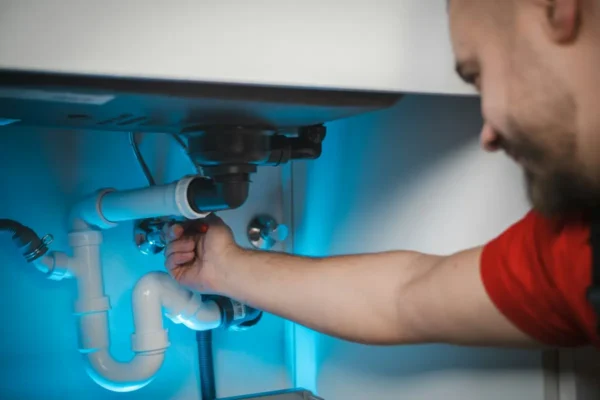
Also expect an external soil stack with a hopper head that blocks with leaves, waste pipes with too little fall, and generations of alterations where a bathroom was added in a rear extension. Heating was almost always retrofitted, so pipes run under suspended timber floors where a leak can drip unseen. If you need someone to fix a leak in Croydon’s older terraces, be prepared for the floorboards to come up.
1930s semis: gravity systems and loft tanks
The interwar semis that stretch across Shirley, Addiscombe, Purley, Coulsdon and Selsdon were plumbed with galvanised steel supply pipes, a cold water storage tank in the loft and a vented hot water cylinder in the airing cupboard. Many have since moved to combi boilers, but plenty still run on gravity hot water, and the usual complaints are poor shower pressure upstairs, a loft tank with no lid, a slow cylinder and galvanised pipe furred up until the bathroom tap runs at a trickle. A plumber in South Croydon or Purley will frequently recommend replacing the galvanised sections in copper or plastic, and will raise the question of whether to move to an unvented cylinder or a combi. Both options need the mains pressure and flow to be measured first; a combi in a four-bedroom semi with two bathrooms can disappoint.
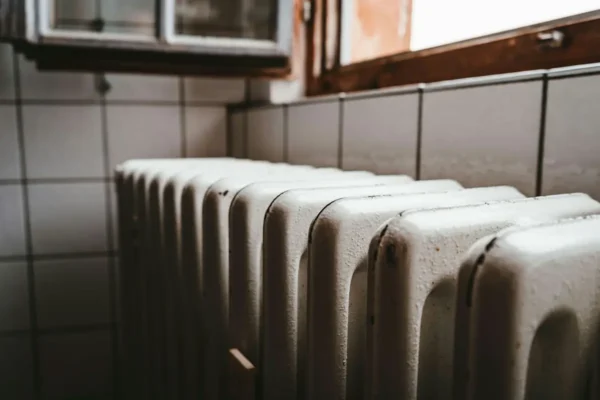
Surviving cast iron radiators are worth keeping, but the one-pipe systems feeding them often will not take thermostatic valves without rework.
Flats: shared stacks and leasehold rules
Croydon town centre has purpose-built flats from the 1960s onwards and a growing number of office-to-residential conversions. In a purpose-built block the soil stack and often the cold water riser are shared, so a blockage below your flat can back up into your bath, and the fault may be the freeholder’s to clear. Check your lease before booking plumbers in Croydon for anything beyond your own flat: pipework within the flat is usually yours; pipework serving more than one flat is usually the freeholder’s, maintained through the service charge. In converted Victorian houses the flat above’s plumbing runs through your ceiling, and leaks between flats are the most common dispute, so document everything and involve the managing agent early. Access matters too: an emergency plumber in Croydon at night needs the stopcock for your flat, which may be in a communal cupboard the agent holds the key to.
What is different in Croydon
Croydon’s water is hard, whichever company supplies you, and scale is the background cause of failed shower heads, noisy kettling boilers and immersion heaters that trip. The borough’s chalk downland to the south, around Coulsdon and Sanderstead, means some homes on higher ground see lower mains pressure than those on the flat ground north of the town centre, which affects the choice between combi and stored hot water. On many 1930s estates the front gardens were paved for parking long ago and the boundary stopcock cover is buried under them. Controlled parking zones cover much of central Croydon, Addiscombe and Thornton Heath, so tell the plumber where to stop. Croydon Council’s private sector housing team handles complaints from tenants about unrepaired plumbing, and the council’s planning rules apply if a flat conversion involves moving a bathroom or a soil stack.
What a plumber in Croydon will typically quote for
As a rough guide only:
- Replacing a lead supply pipe from the boundary to the kitchen typically costs several hundred pounds upwards, depending on length and whether a path or drive must be lifted.
- Replacing galvanised pipework in a semi is usually quoted per run.
- Clearing a shared stack is often charged to the freeholder rather than you.
Get written quotes from two or three Croydon plumbers who have seen the property, not phone estimates.
When to call a professional
In all three property types, gas work on a boiler or its flue must be done by an engineer on the Gas Safe Register. Electric showers and immersion heaters are notifiable in England under Part P of the Building Regulations for new circuits and most bathroom work, so use a registered competent person with NICEIC, NAPIT or an equivalent scheme. All three property types predate 2000, and asbestos is possible in old pipe lagging, boiler boards, soil pipe collars and textured ceilings; the HSE advice is not to disturb suspect material and to have it tested before any trade cuts into it. Lead pipe removed from the house must be disposed of properly, and any waste a plumber takes away must go with a carrier registered with the Environment Agency.
If you can tell The Household Daily’s help desk which of the three property types you live in, your part of Croydon and what is wrong, the desk will help you take the next step and confirm availability when you enquire.
Questions people ask
Are lead pipes dangerous?
Lead in drinking water is a recognised health risk, particularly for children and pregnant women. The pipe from the boundary into the house is the owner's to replace, and Thames Water and SES Water run schemes to replace their side of the connection at the same time.
Why is water pressure poor upstairs in a 1930s semi?
Most were built with a loft tank and gravity hot water, which gives low pressure at upstairs taps and showers. Furred galvanised steel pipes make it worse. Options are replacing the pipework, an unvented cylinder or a combi, each of which needs mains flow measured first.
Who is responsible for a blocked stack in a Croydon flat?
Pipework serving more than one flat is usually the freeholder's responsibility and maintained through the service charge; pipework inside your flat is usually yours. Check the lease and contact the managing agent before booking a plumber.
Could there be asbestos around my pipework?
Yes, in any home built before 2000: old lagging, boiler boards, soil pipe collars and textured ceilings are the usual places. The HSE advice is to leave suspect material undisturbed and have it tested.
Ready to take the next step?
Tell the household desk what has happened, where you are and when you need help. We will review it and explain your options.
Describe your job →Guidance is general and refers to the authority that sets each rule. Costs are indicative ranges; always get written quotes. Trade availability and credentials are confirmed when you enquire.