Roofers are busiest in January, when storms have done their damage and every call is urgent. The cheaper and calmer time to find a roofer in Birmingham is now, in autumn, when the leaves have mostly come down, the roof is still dry enough to work on and the firm has space in its diary. This guide covers what to check in October and November, what to book before winter and the small jobs that stop big ones.
Why autumn is the moment
Three things happen between October and January. Leaves and moss block gutters, so the first heavy rain overflows down the walls. Temperatures drop, so water that has got into cracked mortar or under a lifted tile freezes, expands and widens the gap. And the winter storms arrive, finding every tile that was already loose. Each of these problems is cheap to prevent in autumn and expensive to fix in February. The Met Office’s seasonal outlook for the West Midlands is almost always for wetter, windier weather from November onwards, which is reason enough to get ahead of it.
Gutter cleaning: the single most useful job
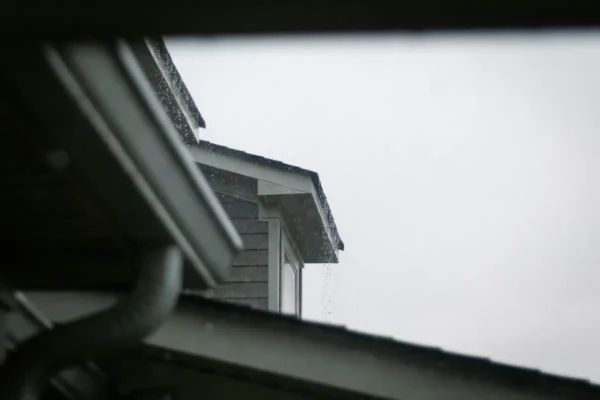
Blocked gutters are the most common cause of damp walls, rotten fascias and ruined decorating in older houses. Gutter cleaning once a year in late autumn, after the bulk of the leaves have fallen, deals with most of it. From the ground, look for grass or small plants growing in the gutter, staining or green algae on the wall beneath a joint, and water pouring over the edge rather than into the downpipe when it rains. Gutter cleaning cost for an ordinary house is modest, particularly for firms using vacuum poles from the ground, and it is far cheaper than repointing a wall. While the gutters are being cleared, ask the firm to check for cracked lengths, failed joints and brackets that have pulled away; a small gutter repair at the same visit avoids a second call-out. Gutter guards can reduce how often cleaning is needed if the house is near large trees, though they need checking themselves and do not suit every profile.
Roof checks you can make from the ground
- Slipped, cracked or missing tiles, particularly along the eaves and around the chimney.
- Moss thick enough to hold water against the tiles, which accelerates frost damage and blocks valleys.
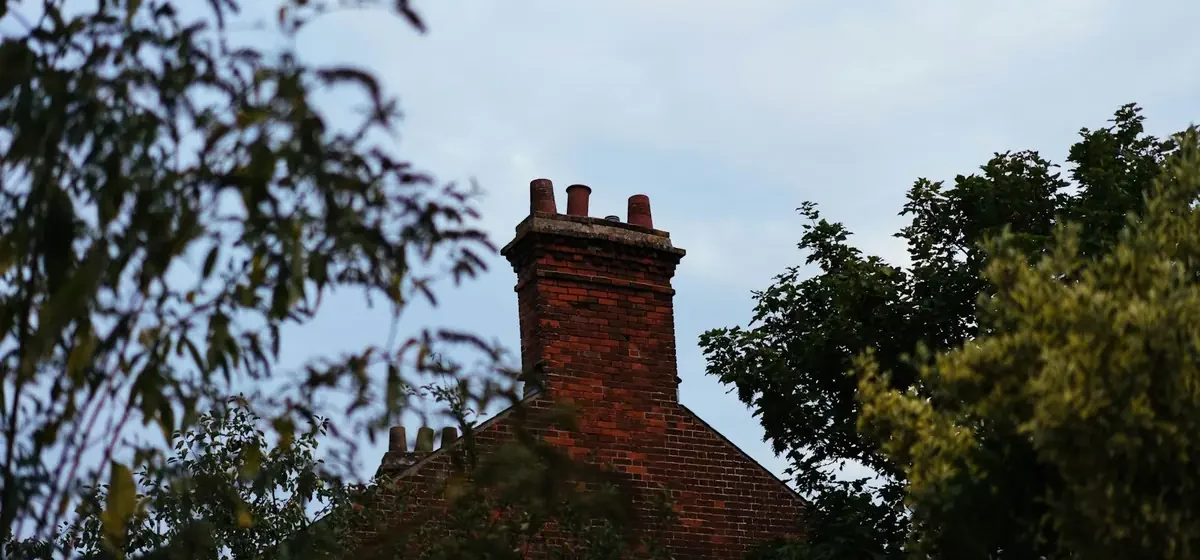
- Cracked or missing mortar on ridge and hip tiles. On interwar houses this is the most common winter failure.
- Lead flashing that has lifted or split where the roof meets a chimney or a wall.
- Flat roofs on extensions and garages: ponding water, blisters, cracked felt or exposed timber at the edges.
- Fascias and soffits that are peeling, soft or stained, which suggests the gutter above them has been overflowing.
Roof tile repair caught in autumn is often a one-visit job. The same tile left through a winter can let enough water into the timber beneath to turn it into a much larger repair in spring.
What is different in Birmingham
Birmingham has one of the largest stocks of Victorian and interwar housing in the country. The terraces of Sparkbrook, Small Heath, Handsworth and Selly Oak carry slate or clay tiles on roofs that are well over a century old, with original lime mortar and often no underfelt. The interwar semis of Hall Green, Erdington, Kings Heath and Northfield have concrete or clay tiles with cement-bedded ridges that are now at the age where the mortar fails. The city’s back-to-backs, where they survive, and its many converted houses mean that roofs are frequently shared between properties, and a leak in one often starts with a blocked valley or gutter on the neighbour’s side. Birmingham also has a very large private rented sector and tens of thousands of HMOs, where Birmingham City Council’s licensing conditions require landlords to keep the roof and gutters in repair; a landlord who waits until a tenant reports water coming in is already behind. For bulky roofing waste, the council’s household recycling centres accept small quantities from residents, but a contractor’s waste must go through a registered carrier.
When to call a professional
Anything that needs you off the ground should go to a roofer. The Health and Safety Executive’s position is that roof work, including clearing gutters from a ladder, is high risk; scaffolding, towers or ground-based equipment are the right tools. Homes built before 2000 may contain asbestos cement in soffits, garage roofs and old corrugated sheeting, which is common across Birmingham’s interwar estates; do not drill, cut or clean it, and tell any contractor it is there. Waste from roof and gutter repair must be removed by a waste carrier registered with the Environment Agency, and the householder’s duty of care means you should ask for the registration number. If a winter leak reaches a light fitting or the consumer unit, switch the circuit off and have a registered electrician check it; work on consumer units is notifiable under Part P of the Building Regulations.
A simple autumn timetable
- Early October: walk round the house after rain and note anything from the lists above.
- Late October to mid November: book gutter cleaning once most leaves are down, and have small gutter repairs done at the same time.
- November: have a roofer deal with slipped tiles, ridge mortar and flashings while the weather allows.
- December: check the loft after the first big storm for any drips or damp timber, and check the gutters are still clear.
If you want help finding a roofer in Birmingham for a pre-winter check or a gutter clean, describe the job to The Household Daily’s help desk and the team will help you take the next step.
Questions people ask
How often should gutters be cleaned?
Once a year is enough for most houses, ideally in late autumn after the leaves have fallen. Homes beneath large trees or with flat roofs that drain into a gutter may need a second clean in spring.
Are gutter guards worth fitting?
They reduce the amount of leaf debris reaching the gutter but do not eliminate cleaning, and brush or mesh types can themselves trap silt and moss. They are most useful on houses close to large deciduous trees.
Is moss on a roof a problem?
Thick moss holds water against tiles, speeds up frost damage and can block valleys and gutters when it comes loose. Light growth is harmless. Removal should be gentle; pressure washing can strip the surface of concrete tiles and force water under them.
When is the best time of year to book a roofer in Birmingham?
Late spring and early autumn are usually quietest, with the shortest waits and the most settled weather. Winter is the busiest time because of storm damage, so pre-winter checks in October and November are the sensible routine.
Ready to take the next step?
Tell the household desk what has happened, where you are and when you need help. We will review it and explain your options.
Describe your job →Guidance is general and refers to the authority that sets each rule. Costs are indicative ranges; always get written quotes. Trade availability and credentials are confirmed when you enquire.