There is no licence for repairing a washing machine or a dishwasher, which means anyone with a van and a toolbox can call themselves an appliance engineer. Most are competent and honest. A few are not, and the only protection you have is the vetting you do before they arrive. This guide sets out how to choose appliance repair engineers in Woking: what to ask, which qualifications actually mean something, and the signs that should make you put the phone down.
Independent, manufacturer or national firm
You have three broad options. A local appliance repair business run by one or two engineers is usually the cheapest and most flexible, and the best ones know the common faults on the common brands backwards. A manufacturer’s own appliance repair service is dearer but uses genuine parts and will not void a warranty. A national repair firm sits between the two, with call centres, fixed-price repairs and subcontracted engineers of varying quality. For a machine still under warranty, go to the manufacturer or retailer. For an out-of-warranty machine, a good local independent is hard to beat for value, provided you check them properly.
Qualifications and registration that matter
For most electrical appliances there is no mandatory registration, so look for evidence of training and accountability instead:
- Gas Safe Register for anything involving a gas hob, gas oven or gas cooker. This is a legal requirement, not a preference. Ask for the engineer’s Gas Safe ID card and check it lists the appliance types they are registered for; being registered for boilers does not automatically cover cookers.
- F-Gas certification for anyone working on the sealed refrigerant system of a fridge or freezer. The regulations require trained and certified people for that work, and most domestic engineers will simply tell you a refrigerant leak means replacement.
- Manufacturer training for the brands you own. An engineer trained by Bosch or Hotpoint will diagnose faster on those machines.
- Public liability insurance, which covers damage to your home. Ask for the certificate. A legitimate firm will not be offended.
- A parts and labour guarantee on the repair, typically from a few months to a year. Get it in writing.
What to ask before you book
A few questions on the phone separate the professional from the chancer. Ask what the call-out or diagnostic fee is, and whether it is deducted from the repair if you go ahead. Ask whether the fee is charged if the fault cannot be fixed. Ask whether they carry stock for your brand, because an engineer who orders every part is making two visits and charging for both. Ask for a rough idea of the cost for the fault you describe; a good engineer will give a range and the conditions under which it changes. Ask how they want paying, because a firm that only takes cash, with no receipt, is a firm you will not be able to find if the repair fails next month. Finally, ask how long they have been trading and whether they are a limited company or a sole trader. Neither is better, but the answer tells you how to check them, on Companies House or through local recommendations.
Red flags
Some patterns recur in the complaints Citizens Advice and Trading Standards see about appliance repair, and you can avoid most of them:
- No landline or trading address, only a mobile number and a first name.
- A call-out fee described as “free” that turns into a large diagnosis charge once the engineer is in your kitchen.
- Pressure to replace the machine on the spot, sometimes with a machine the engineer happens to have in the van.
- A refusal to give a written quote, or a quote with no breakdown between parts and labour.
- A repair that is “done” with no record of what part was fitted and no guarantee.
- A demand for full payment up front before any diagnosis.
Reviews help, but treat them with care. A long history of specific reviews mentioning real faults and real brands is a better signal than a wall of five-star one-liners posted in the same week.
What is different in Woking
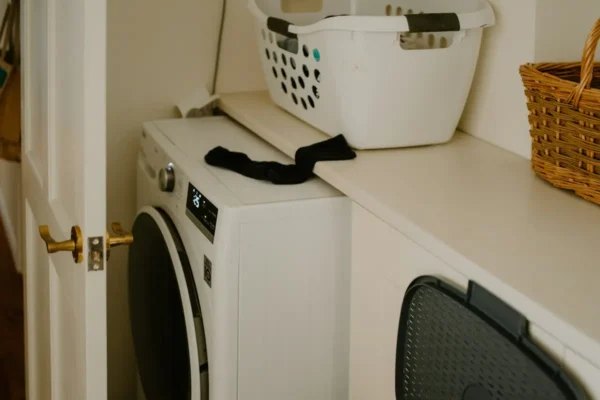
Woking is a commuter town and that shapes how engineers work here. A large share of homes are 1930s and post-war semis with kitchens that have been refitted at least once, which means integrated appliances behind unit doors and machines sitting under worktops with little clearance. Ask whether the engineer is comfortable with integrated units; some charge extra for the extra time, and a few decline the work. The newer apartment blocks around the town centre bring a different set of constraints: lifts, concierge access, parking that may need booking, and sometimes a building management rule about tradespeople signing in. Tell the engineer the floor and the parking position when you book. Woking Borough Council’s bulky waste collection can take an old machine if replacement is the verdict, and any private firm you use for removal must be registered with the Environment Agency as a waste carrier. Because Woking is close to Guildford, many engineers who advertise washing machine repair in Woking also handle dishwasher repair in Woking and the wider Surrey area, so a firm based a few miles away is not a problem as long as they do not add a large travel charge.
When to call a professional
You should not be choosing between a professional and doing it yourself for anything beyond cleaning filters, clearing a blocked hose or replacing a door seal on a fridge. Gas hob and oven work is for Gas Safe registered engineers only. Any new circuit for a cooker or an alteration at the consumer unit is notifiable under Part P of the Building Regulations in England and belongs to a registered competent person with NICEIC, NAPIT or a similar scheme. Refrigerant is for certified people only. In any home built before 2000, old panels, floor tiles and service cupboards around an appliance can contain asbestos, so do not cut into anything you cannot identify. Those lines are not optional, and a good engineer will tell you the same.
If you would like help choosing, describe your appliance, the fault and where you are in Woking to The Household Daily’s help desk and we will help you take the next step.
Questions people ask
Do appliance repair engineers need to be registered with anyone?
For electrical appliances such as washing machines and dishwashers, no registration is legally required. For any gas hob, oven or cooker work the engineer must be on the Gas Safe Register, and refrigerant work on fridges and freezers requires F-Gas certification.
Should I use the manufacturer's repair service or a local engineer in Woking?
If the machine is under warranty, use the manufacturer or retailer so the warranty is not affected. Out of warranty, a well-vetted local independent is usually cheaper and quicker, provided they carry parts for your brand and give a written guarantee.
What should a written quote for an appliance repair include?
The call-out or diagnostic fee, the labour cost, the part and its price, the guarantee period on parts and labour, and whether a second visit is charged if a part has to be ordered. A text or email is fine as long as it is in writing.
Ready to take the next step?
Tell the household desk what has happened, where you are and when you need help. We will review it and explain your options.
Describe your job →Guidance is general and refers to the authority that sets each rule. Costs are indicative ranges; always get written quotes. Trade availability and credentials are confirmed when you enquire.