The instinct in November is to cut everything to the ground and shut the door until March. It is the wrong instinct. The useful winter garden jobs are a short list that protects what you have and sets up the spring, and much of what looks untidy is doing a job. This guide covers what to prune and what to leave, how to protect pots and tender plants, the lawn, the tools, and when a day of paid help is better value than a cold weekend.
Winter garden jobs worth doing in November
November is the month for clearing and planting. Leaves off the lawn, paths and gutters come first, because a wet mat of leaves kills grass in a fortnight and blocks downpipes. Collect them into a leaf mould cage or bin bags with holes punched in, and in a year they become the best soil conditioner you did not pay for.
- Plant tulips, which go in later than other bulbs, and bare-root hedging, roses and fruit trees while the soil is still workable.
- Lift dahlias and cannas once the first frost has blackened the foliage, dry them and store in a frost-free shed.
- Prune apples and pears once the leaves are down, taking out dead, diseased and crossing wood. Leave plums and cherries alone until summer to avoid silver leaf disease.
- Cut back anything that has collapsed into a wet mush, such as hostas, and clear diseased material such as rose leaves with black spot rather than composting them.
- Empty, clean and store hoses and irrigation before a frost splits them.
What to leave standing
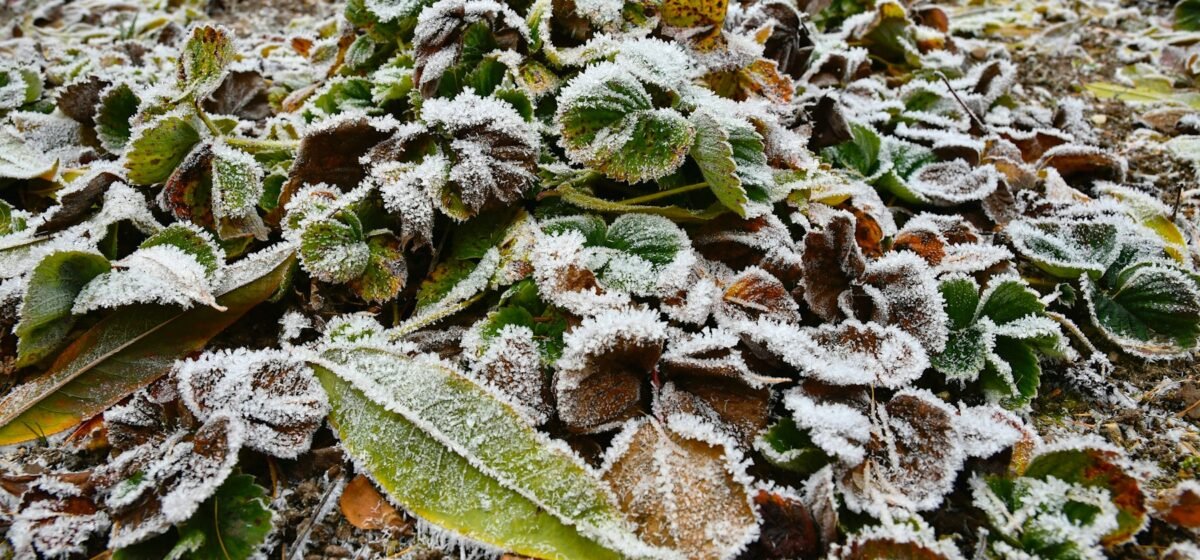
The RHS advises leaving hardy perennials, ornamental grasses and seed heads over winter. The dead stems protect the crown of the plant from frost, hold the frost in ways that make December look better than a bare bed, and feed goldfinches and other birds through the cold months. Cut them to the ground in late February, before the new growth comes through.
Leave hydrangea heads on until spring for the same reason. Leave penstemons and salvias unpruned until April, because the old growth is the plant’s own fleece. Leave spring-flowering shrubs such as forsythia and philadelphus, which are already carrying next year’s flowers. Leave the ivy on the fence until after the berries have gone. And leave the lawn, the beds and the borders alone when the ground is frozen or sodden, because a boot on waterlogged soil does more harm than a month of neglect.
Protecting pots, tender plants and taps
Terracotta cracks when the water in it freezes, and a pot that sits in a saucer of water is the first to go. Lift pots onto feet or bricks so they drain, move the tender ones against a house wall, and wrap the pots themselves in bubble wrap or hessian. Fleece goes over the plant, not the pot, and comes off on mild days so the plant can breathe.
Tree ferns, bananas and cordylines are tied up and wrapped. Olives, bay and citrus in pots come under cover or into an unheated porch. Outside taps are insulated or isolated and drained, and the garden hose is disconnected, because a frozen tap splits the pipe behind the wall. The Met Office’s first frost warnings are the cue for all of this, and in a mild year they come later than people plan for.
The lawn and the tools
The lawn needs less than you think and more than nothing. Keep leaves off it, raise the mower blades for a last cut in a dry spell, and stay off it in frost. Aerating with a fork on a dry day in November helps a compacted lawn drain. Do not feed it with a spring fertiliser; an autumn feed high in potassium is the only one worth applying now, and only if the ground is not waterlogged. Our guide to lawn care season by season goes through the calendar in detail.
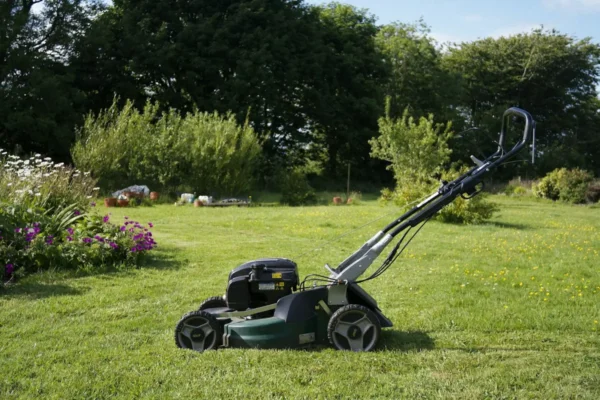
December is the month for the tools, because nobody does it in April. Clean the mower, drain the fuel or charge the battery, sharpen and oil secateurs, loppers and shears, treat wooden handles with linseed oil and hang everything up off a damp floor. A sharp pair of secateurs in February is worth an hour of a gardener’s time.
When paid help makes sense
A tidy garden needs a few hours a month in winter and most people can do it. A neglected one, a large one, or one with hedges above head height and trees that need pruning is different. A gardener charges an indicative £20 to £40 an hour or £150 to £280 for a day, higher in London and the south east, and a day in November clears more than most householders manage in a month of weekends. Green waste removal is usually on top.
Winter is also the quiet season for the trade, which means better availability and sometimes better prices than May. A hedge renovation, a border clearance or a day of pruning fruit trees are all cheaper to book in December than in spring, and the hedge work has to fall outside the nesting season anyway under the Wildlife and Countryside Act 1981. For larger gardens, the guide to what large family gardens need explains how the work is planned.
When to call a professional for winter garden jobs
Call a gardener when the leaves, hedges and borders are more than a weekend’s work, when the pruning needs a ladder, or when the garden has been left for a year. Call a tree surgeon rather than a gardener for anything above about four metres, for trees under a Tree Preservation Order or in a conservation area, which need council consent first, and for storm damage. If a tree is down on a power line, keep clear and call 105; if it is on a road or a building, call 999.
The gardening service hub explains what the trade covers. To get the winter garden jobs done by someone who has been checked, send a few photos and a list to the free help desk at thehouseholddaily.com/request-help. The team reviews each enquiry and confirms availability and credentials before anything is agreed. Nothing is booked until the team confirms.
Questions people ask
What should I do in the garden in November?
Clear leaves from the lawn and paths, plant tulips and bare-root hedging, lift and store dahlias once the frost blackens them, wrap or move tender pots, and cut back anything diseased. Prune apple and pear trees once the leaves have dropped. Leave seed heads and ornamental grasses standing for structure and wildlife, and stay off the lawn when it is frozen or waterlogged.
Should I cut everything back before winter?
No. The RHS advises leaving hardy perennials, ornamental grasses and seed heads standing until late winter, because the dead growth protects the crown from frost and feeds birds. Cut back only what is diseased, collapsed into mush or smothering a neighbour. Do not prune cherries, plums, spring-flowering shrubs or anything tender until the right season, which for most of those is spring or summer.
How much does a gardener cost for a winter tidy?
Indicative rates run from about £20 to £40 an hour for a general gardener with their own tools, with a minimum of two hours in most cases, and £150 to £280 for a full day. Green waste removal is usually extra. London and the south east sit at the top of those ranges. A winter clearance of a neglected garden is normally priced as a day or more rather than by the hour.
Can I plant anything in December?
Yes, provided the ground is neither frozen nor waterlogged. December is inside the bare-root season for hedging, roses and fruit trees, which establish better planted dormant than from a pot in spring. Tulips can still go in. Garlic and broad beans can be sown in milder areas. Leave anything tender or evergreen in a pot until March.
Ready to take the next step?
Tell the household desk what has happened, where you are and when you need help. We will review it and explain your options.
Describe your job →Guidance is general and refers to the authority that sets each rule. Costs are indicative ranges; always get written quotes. Trade availability and credentials are confirmed when you enquire.