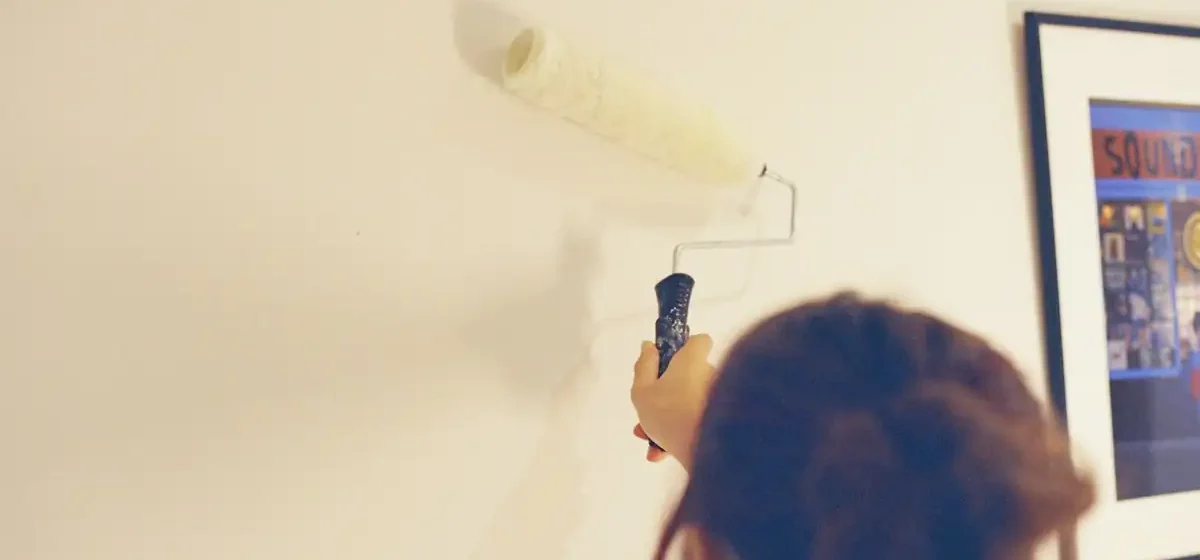
Booking a painter and decorator in Birmingham is the easy part. What decides whether the job finishes on the day promised, at the price quoted, is how ready the house is when the van pulls up. A decorator who spends the first morning moving your wardrobes and hunting for a parking space is a decorator who will either run late or charge for the time. This checklist runs from the week after booking to the final walk-round, and it applies to painters in Birmingham UK found through a recommendation just as much as to a painter decorator near me search result.
The week before: paperwork and decisions
- Confirm the written quote. Check it lists every room, the preparation, the number of coats, the paint brand and finish, who supplies materials, start and finish dates and the payment schedule. Query anything missing now, not on the morning.
- Finalise colours. Test pots on two walls in each room, look at them in morning and evening light, and send the final codes to the decorator in writing. Changing a colour after the paint is bought costs money and a day.
- Agree who buys paint. If the decorator is supplying, confirm quantities are included in the price. If you are, buy at least ten percent more than the calculation suggests and keep the receipts.
- Check insurance. Ask for the public liability certificate if you have not already seen it.
- Book any other trades first. Electrician for moved sockets, plasterer for large repairs, plumber for a leak. Decorating is the last trade in, not the first.
- Sort parking and access. See the Birmingham section below.
The day before: clear and protect
- Take down curtains, blinds, pictures, mirrors, shelves and anything on the walls. Put screws and fixings in labelled bags.
- Empty the room as far as you can. What cannot leave should be pulled to the centre; the decorator will cover it.
- Remove small items from windowsills, mantelpieces and the tops of radiators.
- Take up rugs. Decide whether fitted carpet is staying; if it is, say so and expect dust sheets and taped edges.
- Clean the surfaces to be painted if they are greasy, particularly kitchen walls and the area around light switches.
- Unplug and move electronics out of the room; fine dust from sanding gets into everything.
- Make a note of any existing damage to floors or furniture, with photographs, so there is no dispute later.
- Decide where the decorator can wash brushes and rollers. An outside tap or utility sink is ideal; a kitchen sink is acceptable if agreed.
The morning: the first ten minutes
Walk the job with the decorator before any paint is opened. Confirm the rooms, point out the test patches, hand over the colour codes and agree where equipment will be stored overnight. Show them the bathroom, the kettle and where to park. Agree a daily finish time and whether they will have a key or you will be in. Ask how they will leave the house each evening if the job runs over several days; a good decorator will clear walkways and keep wet paint away from where you need to be.
What is different in Birmingham
Birmingham’s housing stock is dominated by Victorian terraces and interwar semis, with a large rental and HMO sector in areas around the universities and the inner ring. Terraces with no off-street parking are common, so agree where the van will go; in Birmingham City Council controlled parking zones a visitor permit or paying at a meter may be needed, and that cost should be discussed rather than discovered. Victorian terraces frequently have original lath-and-plaster ceilings and high skirtings that take longer to prepare than a modern flat. The city’s back-to-back houses, where they survive as homes, have small rooms and limited ventilation, so drying times between coats are longer. For bulky waste such as old wallpaper, paint tins and worn-out furniture cleared for the job, Birmingham City Council runs household recycling centres and a bulky waste collection service; anyone taking waste away in a van must be a registered waste carrier with the Environment Agency, and you have a duty of care for your waste.
When to call a professional for the jobs around decorating
Your checklist should include knowing where the decorator’s job ends. Moving sockets, adding downlights or anything at the consumer unit is electrical work that in England is notifiable under Part P of the Building Regulations and should be carried out by an NICEIC, NAPIT or similarly registered electrician. Any gas appliance, including removing a gas fire to decorate behind it, is for a Gas Safe registered engineer. Textured ceilings in homes built before 2000 may contain asbestos and should be tested before anyone sands or scrapes them, as the HSE advises; in a Victorian terrace, old floor tiles and boarding may also contain it. Pre-1970s gloss on original woodwork can contain lead, so ask how it will be prepared. If exterior work is included, upper storeys need a tower or scaffold, not a ladder.
The last day: the walk-round
Before the final payment, walk every room in daylight. Look along walls at a low angle for misses and roller marks. Check cutting-in at ceilings, around sockets and along skirtings. Open every window and door to be sure they are not painted shut. Check that fixtures have been refitted and that the floor and furniture are clean. Agree any snags in writing with a date for them to be done, and only then pay the balance. A local painter and decorator who has done good work will expect this and welcome it.
If you are still at the booking stage, describe the rooms and your dates to The Household Daily help desk and we will help you take the next step towards a decorator in Birmingham.
Questions people ask
Do I need to be at home while the decorator works?
Not necessarily, but agree it beforehand. Many people hand over a key for the duration. Be present for the first morning walk-round and for the final inspection, and leave a phone number for questions.
Should I remove wallpaper myself before the decorator arrives?
Only if you have agreed it and know how. Stripping is slow and can damage plaster if done badly. Many decorators would rather do it themselves and price it in than repair a wall somebody else has gouged.
How much paint should I buy?
Use the coverage figure on the tin, multiply by the number of coats, and add about ten percent. Better still, let the decorator calculate it; they know how much the surfaces will absorb.
What do I do with leftover paint and old tins in Birmingham?
Keep a small amount of each colour for touch-ups and label it. Take the rest to a Birmingham City Council household recycling centre; do not pour paint down the drain. If the decorator removes it, they must be a registered waste carrier.
Ready to take the next step?
Tell the household desk what has happened, where you are and when you need help. We will review it and explain your options.
Describe your job →Guidance is general and refers to the authority that sets each rule. Costs are indicative ranges; always get written quotes. Trade availability and credentials are confirmed when you enquire.