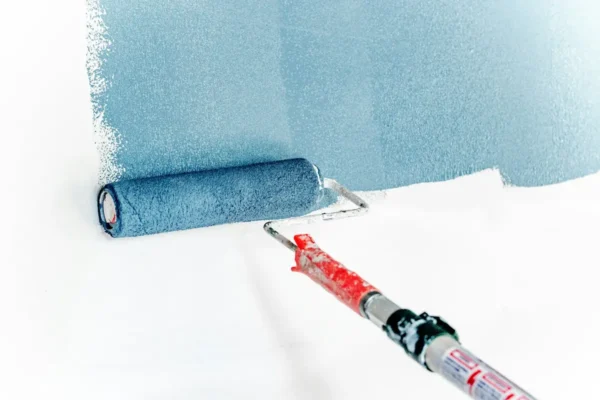

A feature wall is the most decorating that most households will take on in the weeks before Christmas: one wall, one weekend, and a room that looks finished for the holidays. It is also the job most often done badly, because the prep is skipped. This guide covers choosing a colour that suits a Kent home, the preparation that matters, how winter affects drying, and what a painter and decorator typically charges if you would rather hand it over.
Choosing the colour for a festive feature wall
Pick the wall your eye lands on when you walk in: the chimney breast in a terrace, the wall behind the sofa in a semi, or the bedhead wall upstairs. Avoid the wall with the window, because the light behind it flattens any colour you choose.
For a winter scheme, deep greens, oxblood, navy and warm terracotta all sit well against existing neutrals and against the timber and brick found in older Kent houses. Buy sample pots and paint two large patches, one near the window and one in the darkest corner, then look at them in the morning and again under lamplight. The colour that looks right at both times is the one to order. A matt emulsion forgives uneven plaster; a soft sheen shows every bump.
Preparation is where the weekend goes
Two thirds of a good decorating job is preparation, and a feature wall is no exception. The paint goes on in an hour or two; everything before it decides whether the finish lasts.
- Move furniture a metre clear and cover the floor with a dust sheet, not newspaper, which lets paint through.
- Wash the wall with sugar soap and rinse it, especially above radiators and around light switches where grime builds up.
- Fill cracks and holes with a flexible filler, let it dry fully, then sand it flush and wipe the dust off.
- Spot prime any bare filler and any stains with a stain blocking primer, or they will show through two coats of emulsion.
- Mask the skirting, the ceiling line and the adjoining walls with a good tape, pressed down firmly along the edge.
- Cut in with a brush along every edge first, then roll the field of the wall in overlapping sections while the edges are still wet.
If the wall has old water marks, do not paint over them until you know why they are there. A stain blocker hides a dry mark, but painting over active damp always fails within weeks, and the wet patch will take the new colour with it.
What is different about Kent houses
Kent housing stock is varied, and the wall under your paint depends on where you live. Victorian and Edwardian terraces in Medway, Gravesend and the Thanet towns usually have lime plaster that drinks the first coat and shows every historic repair. Interwar semis around Maidstone, Sevenoaks and Tunbridge Wells have gypsum plaster that is more forgiving but often carries decades of paint, and new builds at Ebbsfleet, Kings Hill and around Ashford have plasterboard walls that are flat but need a mist coat if a previous owner never sealed them properly.
The county’s weather matters too. Coastal properties from Whitstable round to Folkestone carry more moisture in the air, and a wall that feels cold to the touch in December will take twice as long to dry between coats. Solid-walled cottages in the Weald are the most likely to hide damp behind a chimney breast. Our Kent hub covers the other winter jobs that compete for the same weekend.
Winter drying times and ventilation
Emulsion needs the room to sit above roughly 10°C to cure properly, and it needs air moving through it. Keep the heating low and steady; heat blasted at a wall dries the surface before the paint beneath it and leaves roller marks. Open a window an inch for an hour after each coat, even on a cold day, and allow four hours between coats rather than the two the tin suggests. The Met Office publishes seasonal advice on condensation and ventilation that applies as much to a freshly painted room as to a bathroom.
Gloss and satinwood on skirting are a separate problem: cold, damp air causes blooming, a milky haze on the surface that spoils the finish. If you are doing the woodwork at the same time as the wall, leave it for a milder day or a well heated room. Our guide to finding a painter and decorator in Kent fast covers what to do if the job runs over and a deadline is close.
What a feature wall typically costs
Doing it yourself, a 2.5 litre tin of a decent emulsion runs to a typical £25 to £50 and covers one wall twice over with some left for touching up. With a roller set, tape, filler and sugar soap, materials for one wall come to an indicative £50 to £90. Wallpapering a feature wall costs more: a roll of a mid-range paper is £30 to £80 and a chimney breast usually needs two.
Hiring a painter and decorator for a single wall is normally charged as a half day or a day. Typical day rates in Kent sit around £150 to £250, with the Sevenoaks and Dartford fringe closer to London prices of £180 to £300, and these are indicative ranges, not quotes. A decorator will usually want to see the wall before pricing it, because the prep decides the time. Our Surrey day rate guide explains how decorators price a job and what drives the rate up.
When to call a professional
A single painted wall on sound plaster is well within reach of a careful householder with a free weekend. Call in a decorator when the wall is papered and you do not know what is underneath, when the plaster is blown or crumbling, when the wall is over three metres high, or when you want a wallpapered finish with a pattern to match. Any sign of damp belongs with a surveyor or a damp specialist before a decorator touches it.
If you would rather have your feature wall done by someone who does this every week, our free help desk can find a painter and decorator in your part of Kent. Tell us the room, the wall and your date through our request help page. The team reviews every enquiry and confirms availability and credentials before anything is agreed, so nothing is booked until they come back to you.
Questions people ask
Which wall should be the feature wall?
The wall you see first when you walk into the room, or the one that frames the main piece of furniture: a chimney breast, the wall behind the sofa or the bedhead wall. Avoid the window wall, because light from behind flattens the colour, and avoid a wall broken up by doors and radiators.
How long does a feature wall take to paint?
Allow a full weekend. Washing, filling, sanding and masking take most of Saturday. Two coats of emulsion with proper drying time between them fill Sunday. In a cold room in December, drying between coats can stretch to four or five hours, so do not plan to put the furniture back the same evening.
Can I paint a feature wall in winter?
Yes, as long as the room stays above about 10°C and you can ventilate it between coats. Keep the heating on low and steady rather than high, open a window briefly after each coat, and avoid gloss on woodwork on damp days, when it is prone to blooming. Exterior painting is a different matter and should wait for spring.
How much does a decorator charge for one wall?
Most decorators charge a half day or a full day for a single wall, because the preparation takes longer than the painting. In Kent a typical day rate is £150 to £250, rising towards £300 near the London border, as an indicative range. Wallpapering with a pattern match is usually a full day plus the cost of the paper.
Ready to take the next step?
Tell the household desk what has happened, where you are and when you need help. We will review it and explain your options.
Describe your job →Guidance is general and refers to the authority that sets each rule. Costs are indicative ranges; always get written quotes. Trade availability and credentials are confirmed when you enquire.