Kent has one of the widest spreads of housing age in the country, from medieval and Georgian houses in Canterbury, Rochester and Faversham to estates in Ashford and Ebbsfleet that are not yet ten years old. A locksmith in Kent therefore meets every generation of door, and the right lock, the likely fault and the realistic price all change with the property. This guide takes each type in turn.
Period and pre-war houses: timber doors and mortice locks
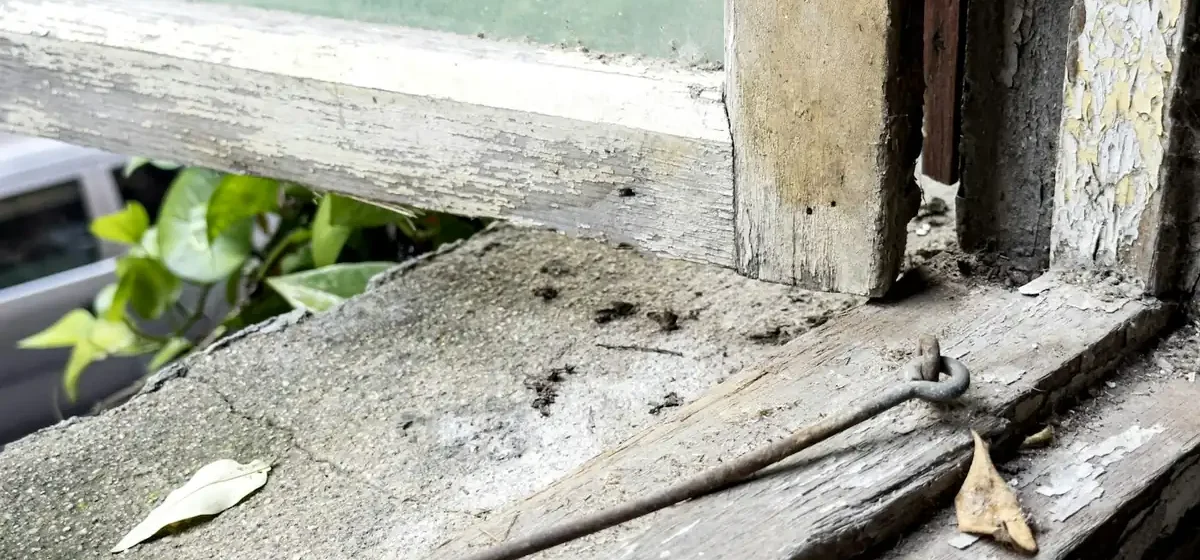
The older housing in Canterbury, Rochester, Whitstable, Deal and the villages has timber front doors, frequently original, with a mortice deadlock in the door edge and a night latch above. Timber doors swell in Kent’s wet winters and shrink in dry summers, and the standard complaint is a deadlock that binds in autumn. The locks themselves are often old three-lever patterns, which do not meet the BS3621 standard that most insurers require; upgrading to a five-lever British Standard deadlock usually means cutting the door for a larger lock case, which is routine on a solid door but needs care on a thin or panelled one. On listed buildings, which Kent has in large numbers, visible new ironmongery on a street-facing door can need listed building consent from the district council, so ask before fitting a conspicuous new escutcheon. Sash windows in these houses rarely have working locks; key-operated sash stops are a cheap fix and often an insurance condition.
Interwar and post-war semis: the uPVC generation
The 1930s semis and 1950s and 1960s estates around Maidstone, Gillingham, Gravesend, Dartford and the Medway towns have mostly had their original doors replaced with uPVC, often twenty or more years ago. These doors use a multipoint lock with a euro cylinder, and the two faults a locksmith in Maidstone, Kent sees daily are a dropped door that will not lock without lifting, and a gearbox that has broken after years of being forced. The cylinder is the security weak point: older euro cylinders can be snapped with simple tools, and the Secured by Design scheme recommends a TS007 three-star or Sold Secure Diamond cylinder as the replacement. As a rough guide, a cylinder upgrade typically costs between £60 and £120 fitted; a gearbox replacement between £120 and £250. Written quotes always.
Coastal homes: salt and corrosion
Along the coast from Margate round to Folkestone and Hythe, the enemy is salt air. Cheap zinc-plated cylinders and mild steel strips corrode, keys become stiff, and locks fail years earlier than inland. Specify stainless steel or brass furniture and marine-grade cylinders, and lubricate twice a year with a dry PTFE spray.
New-build estates: composite doors and warranties
The newer estates at Ashford, Ebbsfleet Garden City, Kings Hill and the edges of most Kent towns come with composite front doors and a multipoint lock, typically already fitted with a three-star cylinder, and with a developer’s warranty. Two cautions. First, a lock change within the warranty period should be done without damaging the door, or the warranty on the door can be voided; tell the locksmith it is a new build. Second, developers often use a construction keying system where a site key worked the lock until the homeowner’s keys were first used; if you bought second-hand within a few years of completion, a cylinder change is sensible because you cannot know how many keys exist. Apartments on these estates have fob-controlled communal doors managed by a management company, which must approve any work on the communal lock.
What is different in Kent
Beyond the housing types, three county factors shape locksmith work. Kent’s geography means long distances: an emergency locksmith or 24 hour locksmith travelling from Maidstone to Deal at night will charge for it, so a locksmith genuinely based in your town is worth finding rather than trusting the first locksmith near me result. The county’s commuter towns, Sevenoaks, Tonbridge, Tunbridge Wells and the high-speed line stations, have a high proportion of owner-occupied family houses with several external doors and a market for moving-in lock changes every spring. And housing is a district responsibility: Kent County Council does not run housing or HMO licensing, the twelve district and borough councils do, so a tenant in a licensed HMO in Canterbury, Thanet or Medway reports lock problems to the relevant district’s housing team. Parking is rarely a constraint outside the town centres and the seafront, which is one reason locksmith call-outs in Kent tend to be cheaper than inside the M25.
When to call a professional
Lubrication, lifting a dropped door, and checking which keys exist are householder jobs. Cutting a timber door for a new mortice case, replacing a gearbox, opening a failed composite door and anything on a listed building are jobs for a locksmith. The trade is unregulated in the UK, so look for Master Locksmiths Association membership, ask for the number and expect a request for identification before a door is opened. If an old timber door or frame is being replaced rather than repaired, a joiner or a FENSA or Certass registered installer is the trade. Any wiring for an intercom, electric strike or alarm in England is notifiable under Part P of the Building Regulations and needs a registered competent person such as an NICEIC or NAPIT electrician. Pre-2000 properties can contain asbestos in older boards and panels, so a locksmith cutting into an unfamiliar door panel should stop if the material looks unusual.
Quick reference by property type
- Period timber door: upgrade to BS3621 five-lever deadlock; check listed status first.
- Interwar semi with uPVC: realign early, fit an anti-snap cylinder, budget for a gearbox eventually.
- Coastal home: stainless or brass fittings, marine-grade cylinders, twice-yearly lubrication.
- New-build composite: protect the warranty, change the cylinder if bought second-hand.
Whatever kind of house you have, describe the door and the problem to The Household Daily help desk on WhatsApp and the team will help you take the next step towards a locksmith in your part of Kent.
Questions people ask
Do I need listed building consent to change the lock on a period door in Kent?
Possibly, if the building is listed and the new ironmongery is visible from the street. Internal lock cases are rarely an issue; a conspicuous new escutcheon or night latch can be. Ask the district council's conservation officer before fitting.
Why do locks fail faster on the Kent coast?
Salt air corrodes zinc-plated cylinders and mild steel lock strips. Specify stainless or brass fittings and marine-grade cylinders, and lubricate with a dry PTFE spray twice a year.
Should I change the locks on a new-build house I bought second-hand?
Yes, at least the cylinder. Developers often use construction keying and you cannot know how many keys the first owner cut. Tell the locksmith it is a new build so the door warranty is not voided.
Ready to take the next step?
Tell the household desk what has happened, where you are and when you need help. We will review it and explain your options.
Describe your job →Guidance is general and refers to the authority that sets each rule. Costs are indicative ranges; always get written quotes. Trade availability and credentials are confirmed when you enquire.