Manchester’s red-brick terraces, interwar semis and city-centre apartments all have their own pest habits, and its wet climate adds damp to the mix. These are the questions people searching for pest control in Manchester ask most often, answered as plainly as the facts allow. Where costs appear, they are rough guides only; get written quotes before you commit.
How much is pest control in Manchester?
It depends on the pest and the property more than the postcode. As a rough guide, a wasp nest typically costs tens of pounds to around a hundred for a single visit; a course of treatment for rats or mice over two or three visits typically falls between about £100 and £250 for a house; bed bugs start at a few hundred pounds per room and can reach four figures for heat treatment of a whole property. People asking how much is pest control for mice specifically should expect the lower end for a flat and more for a terrace where the loft and party walls need proofing. Always ask what the price includes: number of visits, proofing, a guarantee period and VAT.
Does Manchester City Council offer pest control?
Manchester City Council publishes its current pest control arrangements and any charges on its website, and so do the other nine Greater Manchester boroughs, each separately: Salford, Trafford, Stockport, Tameside, Oldham, Rochdale, Bury, Bolton and Wigan. Policy differs between them, so check the council you actually pay council tax to. Councils have duties for rats and mice under the Prevention of Damage by Pests Act 1949, which is why rodent treatment is the service most commonly offered, sometimes at a lower charge than a private firm. Wasps and insects are more often referred to private contractors.
Does ultrasonic pest control work?
The independent evidence is weak. Devices that emit high-frequency sound may disturb rodents for a short time, but animals habituate and the sound does not pass through walls or furniture, so the loft and the cavity remain untouched. The BPCA does not recommend relying on them, and no reputable technician will offer one as a treatment. Money spent on proofing, meshing air bricks and sealing gaps around pipes, does more than any plug-in device.
Does home insurance cover pest control?
Usually not. Most home insurance policies treat infestations as a maintenance matter and exclude damage caused by vermin and insects, in the same way they exclude gradual deterioration and rising damp. Some policies offer a pest cover add-on, and some home emergency cover includes a limited number of call-outs for rats, mice and wasps. Sudden damage that follows from an infestation, such as a fire caused by chewed wiring, may be covered. Read the policy wording or ask the insurer before assuming either way.
What are the 3 methods of pest control?
Textbooks group them as physical, chemical and biological. Physical means proofing, trapping and removing the conditions pests need: food, water, shelter and a way in. Chemical means baits, gels and insecticides, which in professional hands are targeted and regulated. Biological means using natural predators or pathogens, which has little domestic application beyond nematodes for garden pests. Good domestic pest control is mostly the first method with a precise use of the second; a technician who only lays bait and never looks for the route in is doing half the job.
What is different in Manchester
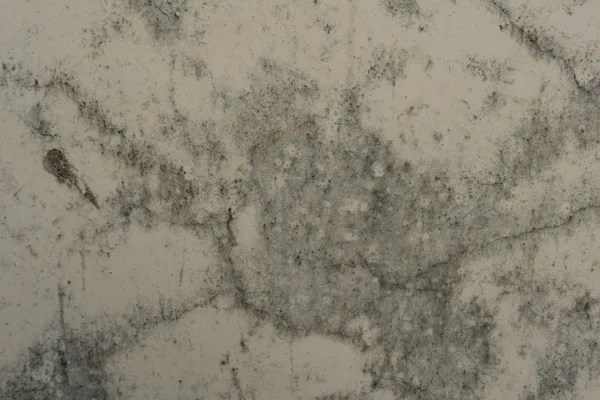
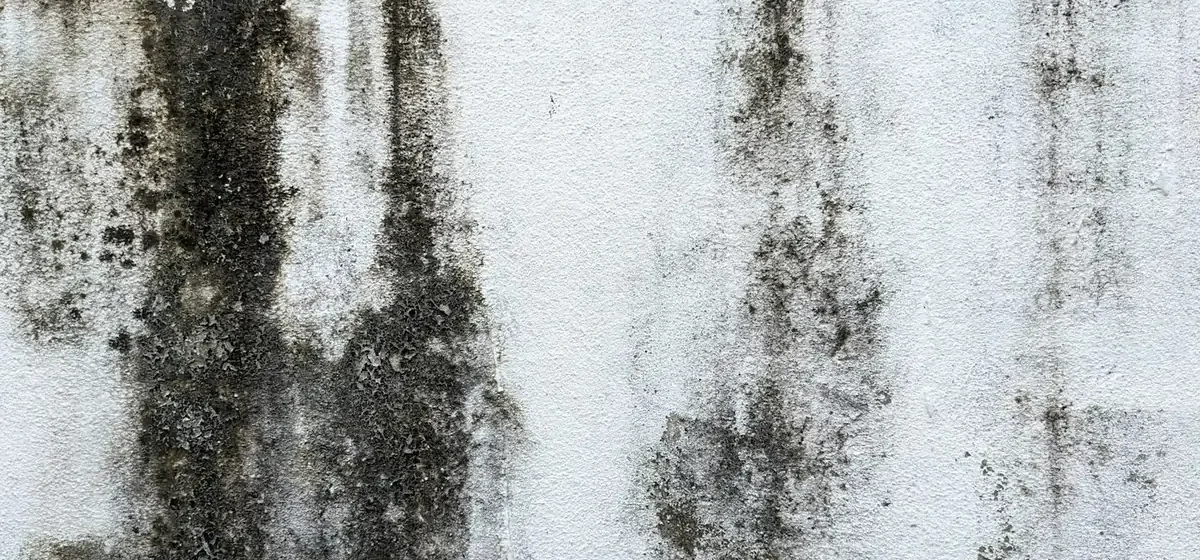
Manchester is wet, with rain on a high proportion of days, and that shapes its pest problems. Damp walls in the older red-brick terraces of Levenshulme, Gorton, Moss Side and Old Trafford attract silverfish, booklice and woodlice, so a persistent crop of small insects low on a wall is a damp question before it is a pest question. Rising damp is over-diagnosed here as everywhere, but penetrating damp through weathered brick and condensation in poorly ventilated terraces are genuinely common, and both feed mould and insect life. The terraces also have shared roof voids and cellars, so mice and rats move along rows, and treatment works best when neighbours act together. The interwar semis of Didsbury, Chorlton, Prestwich and Sale have the suburban pattern: wasps in summer, rodents from the garden in autumn. City-centre apartment blocks in Ancoats, Castlefield and around Deansgate see cockroaches and bed bugs moving between flats, and canal-side blocks see rats. Permit parking covers much of the inner city, so ask whether a firm adds parking to a city-centre quote.
Who should I call and what should they hold?
Pest control professionals should hold RSPH or BPCA qualifications, and the BPCA keeps a public register of member companies. Professional-strength rodenticides may only be used by people who can prove that competence. Ask any firm for the technician’s qualification, public liability insurance and a written treatment plan. Chewed cables need a registered electrician before power is restored. Asbestos is possible in homes built before 2000, including textured coatings and old insulation in lofts and cellars, so proofing work should avoid disturbing those materials. Contaminated insulation and carcasses must leave with a waste carrier registered with the Environment Agency, and you keep a duty of care for the waste until it does.
Is it a pest problem or a damp problem?
In Manchester, often both. If the insects are silverfish, booklice, woodlice or mould mites rather than ants or cockroaches, treat the moisture first: fix leaks, clear gutters, run extractor fans and consider a damp survey from a surveyor holding the CSRT qualification. The insects leave when the wall dries. If you are not sure which problem you have, or want help finding a qualified firm in your part of Greater Manchester, describe what you are seeing and the type of property to The Household Daily’s help desk and we will help you take the next step.
Questions people ask
How much is pest control for rats in Manchester?
As a rough guide, a private course of two or three visits typically costs somewhere between £100 and £250 for a house, with proofing quoted on top. Manchester City Council and the other Greater Manchester boroughs publish their own rodent treatment charges, which may be lower. Get written quotes.
Does ultrasonic pest control work on mice?
Independent evidence is weak. Rodents habituate quickly and the sound does not reach lofts, cavities or behind furniture. The BPCA does not recommend relying on these devices. Proofing and professional baiting are the proven approaches.
Does home insurance cover pest control?
Most policies exclude infestations and vermin damage as maintenance matters, though some offer pest cover as an add-on and some home emergency products include a limited number of call-outs. Check the wording or ask the insurer.
Why do I have silverfish in my Manchester terrace?
Silverfish, booklice and woodlice need damp. In Manchester's older terraces they usually signal penetrating damp or condensation in the wall or floor. Fix the moisture source and the insects go; spraying alone does not last.
Which council do I contact in Greater Manchester?
The one you pay council tax to. Manchester City Council and each of the nine other boroughs run their own arrangements and charges, so check the right website.
Do I need a professional for a wasp nest?
Yes, if it is active and near doors, windows or play areas, or if anyone in the house has a sting allergy. A qualified technician usually deals with a nest in one visit. Nests found in late autumn die off and do not need treating.
Ready to take the next step?
Tell the household desk what has happened, where you are and when you need help. We will review it and explain your options.
Describe your job →Guidance is general and refers to the authority that sets each rule. Costs are indicative ranges; always get written quotes. Trade availability and credentials are confirmed when you enquire.