Carbon monoxide has no smell, no colour and no taste, and the first sign of a leak is often a headache that lifts when you leave the house. A carbon monoxide alarm is the only reliable warning, and in Richmond’s period houses and flats above shops it is doing a harder job than most. This checklist covers where to fit one, which rooms need one by law in a rented home, when to test it, and what to do if it sounds.
Which rooms need a carbon monoxide alarm
The rule of thumb is one alarm in every room with a fuel-burning appliance. That means the room with the boiler, any room with a gas fire, an open fire or a wood-burning stove, a room with an oil or solid fuel appliance, and, if the boiler is in a bedroom or a bedroom cupboard, that bedroom. A gas hob on its own is the one exception the regulations make, although many people fit an alarm in the kitchen anyway.
Work through the house once with this checklist.
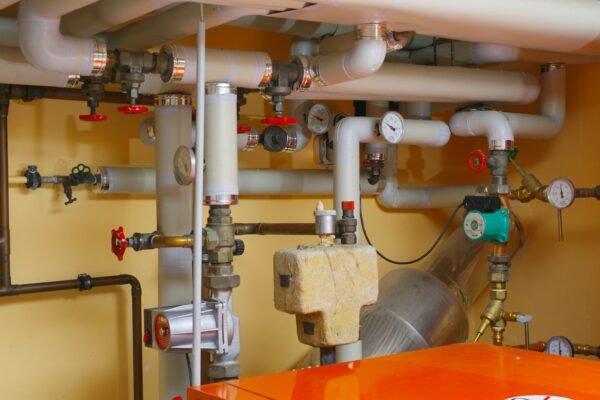
- List every fixed combustion appliance: boiler, gas fire, stove, open fire, water heater, warm air unit.
- Note the room each one is in, and whether the flue runs through any other room on its way out.
- Check each of those rooms has an alarm marked BS EN 50291 and that the date on the back has not passed.
- Add a second alarm on the landing outside bedrooms if a flue passes through the loft or an upstairs cupboard.
- Replace any alarm older than its stated life, usually seven to ten years, even if it still beeps on test.
Where exactly to fit it near a boiler or fire
A carbon monoxide alarm goes where the gas would reach it before it reaches you, not tucked out of sight. Manufacturers’ instructions follow the British Standard and are consistent on the main points. Mount it between one and three metres horizontally from the appliance. On a ceiling, keep it at least 300 millimetres from any wall. On a wall, fit it above the height of doors and windows, or at breathing height if the room is where people sleep.
Keep it away from draughts: not next to a window, an extractor fan, a door or an air vent, and not inside a sealed boiler cupboard. Do not fit it directly above a cooker, sink or kettle, where steam and grease will shorten its life. A boiler in a kitchen cupboard is best covered by an alarm on the kitchen wall outside the cupboard, in the same room.
What landlords in Richmond must do
If you let a property in England, the Smoke and Carbon Monoxide Alarm (Amendment) Regulations 2022 require a carbon monoxide alarm in any room used as living accommodation that contains a fixed combustion appliance, with gas cookers the only appliance excluded. The same regulations require a smoke alarm on every storey with living accommodation, and they oblige you to repair or replace any alarm a tenant reports as faulty. The government’s explanatory booklet for landlords sets out the detail, and local councils can issue penalties for breaches.
Alongside the alarms, the Gas Safety (Installation and Use) Regulations 1998 require an annual gas safety check of every gas appliance and flue by a Gas Safe registered engineer, with a copy of the record, the CP12, given to tenants within 28 days. The two duties work together: the check reduces the chance of a leak and the alarm catches one if it happens. Our guide to plumbing and heating in London rentals covers the rest of the landlord’s repairing duties.
What is different in Richmond
The borough’s housing stock makes alarm placement more awkward than a new build. Victorian and Edwardian terraces in Richmond, Kew, Twickenham and Teddington often have a boiler in a first-floor airing cupboard or a loft, with a flue running through a bedroom ceiling, which is a strong reason for an alarm on the landing as well as in the appliance room. Many of these houses still have working fireplaces, and wood-burning stoves have become common; a stove needs its own alarm, and Approved Document J of the Building Regulations has required one with any new solid fuel installation since 2010.
Flats above shops along George Street, Hill Street and the Twickenham and Sheen high streets are a particular concern. Commercial kitchens and boilers below can share flues or ducts with the flats above, so a carbon monoxide alarm in a flat above a restaurant is not optional even if the flat itself is all electric. Richmond upon Thames Council’s private sector housing team enforces the alarm regulations for rented homes in the borough. Other local guides are on our Richmond hub, and our plumbing and heating service page covers boiler checks.
When to test, and what to do if it sounds
Press the test button once a month and after any work on the boiler or flue. Replace the batteries when the low-battery chirp starts, or at least once a year on alarms without sealed batteries. Replace the whole unit by the expiry date printed on it. Keep a note of the test dates if you are a landlord; the regulations expect alarms to be working on the first day of each new tenancy, and a dated record is the easiest proof.
If the alarm sounds, open doors and windows, turn off the appliance if you can do so quickly, get everyone out and call the National Gas Emergency Service on 0800 111 999. Anyone with a headache, dizziness, nausea or breathlessness should get medical help, and 999 is the right call if someone has collapsed. Do not go back in until an engineer has checked the appliance.
When to call a professional
Fitting a battery carbon monoxide alarm is a job for any householder. Finding the cause once one has sounded is not: only a Gas Safe registered engineer may work on a gas appliance or flue, and you should check the ID card and the Gas Safe Register before letting anyone start. Our free help desk can find a registered engineer to inspect a boiler or fire or carry out the annual landlord check. Send the details through our request help page. The team reviews every enquiry and confirms availability and credentials before anything is agreed, so nothing is booked until they come back to you. The desk is not an emergency service: for a sounding alarm or a smell of gas, leave and call 0800 111 999 first.
Questions people ask
Where should a carbon monoxide alarm be placed in a room with a boiler?
Between one and three metres horizontally from the boiler, on the ceiling at least 300 millimetres from the wall, or on the wall above door and window height. Keep it clear of windows, vents, extractor fans and the inside of a sealed cupboard. If the boiler lives in a kitchen cupboard, fit the alarm on the kitchen wall outside the cupboard.
Do landlords have to provide carbon monoxide alarms in England?
Yes. Since October 2022 the Smoke and Carbon Monoxide Alarm (Amendment) Regulations require landlords in England to fit a carbon monoxide alarm in any room used as living accommodation with a fixed combustion appliance, gas cookers excepted, and to fix or replace any alarm reported as faulty. Councils, including Richmond upon Thames, can fine landlords who do not comply.
How often should I test a carbon monoxide alarm?
Press the test button monthly, and again after any work on the boiler, fire or flue. Replace batteries when the unit chirps, and replace the whole alarm by the expiry date printed on it, usually seven to ten years after manufacture. Landlords should test at the start of every new tenancy and keep a dated record as evidence.
What should I do if my carbon monoxide alarm goes off?
Open windows and doors, switch off the appliance if it is quick to do, leave the building and call the National Gas Emergency Service on 0800 111 999. Seek medical help for anyone with a headache, dizziness or nausea, and call 999 if someone has collapsed. Do not use the appliance again until a Gas Safe registered engineer has inspected it.
Ready to take the next step?
Tell the household desk what has happened, where you are and when you need help. We will review it and explain your options.
Describe your job →Guidance is general and refers to the authority that sets each rule. Costs are indicative ranges; always get written quotes. Trade availability and credentials are confirmed when you enquire.