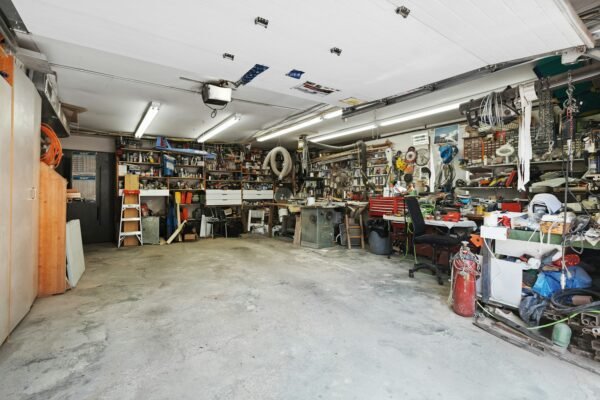
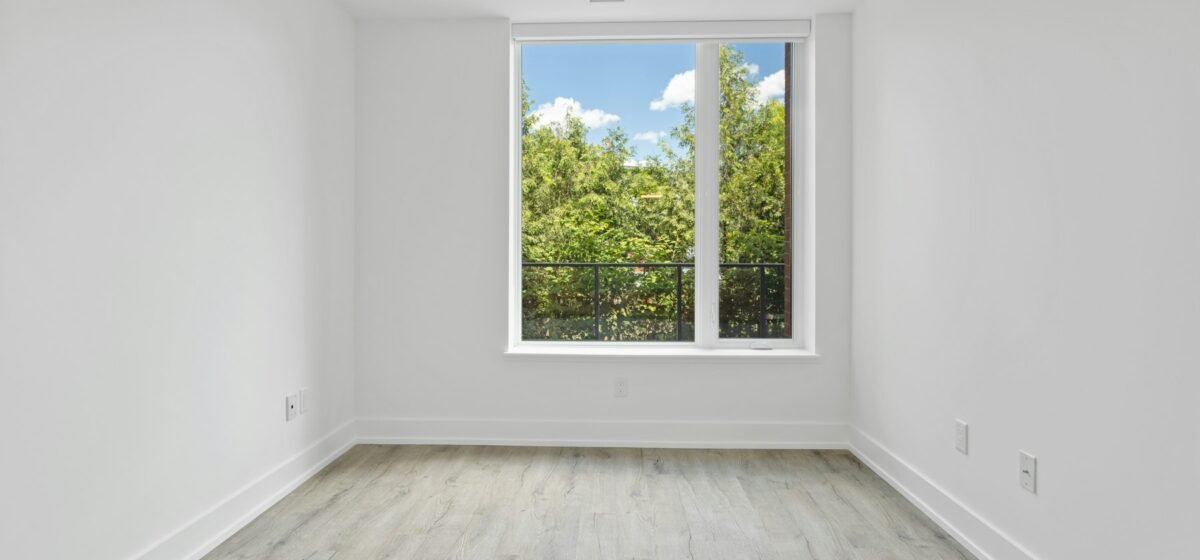
The gap between one tenant leaving and the next moving in is where London landlords lose money, and a flat full of abandoned furniture is the most common reason the gap stretches from days to weeks. A flat clearance in London is a different job from clearing a house: lifts, parking, concierge desks and shared stairwells all shape the price and the timetable. This explainer covers timing, access, what it typically costs and what landlords and agents need to check first.
Why flat clearance London jobs take longer than houses
In a house the van parks on the drive and the crew walks items straight out. In a London flat the van may be fifty metres away on a loading bay with a twenty-minute limit, the lift may be too small for a sofa, and the building may only allow moves between 9am and 5pm on weekdays. Each of those adds labour hours, and labour is most of the bill.
A good clearance firm will ask about all of this before quoting. The questions to expect are: which floor, is there a lift and what size, where can a van legally stop, is there a concierge or building manager to notify, and are there restrictions on moving hours.
Timing a clearance between tenancies
The clearance should sit between the check-out inspection and the first cleaning visit. Clearing before check-out muddles the deposit position, because the inventory clerk needs to record what the tenant left. Clearing after the cleaners means they have to come back. The sequence that works is check-out and inventory first, clearance the next working day, deep clean after that, then any repairs and redecoration.
- Check-out inspection and inventory report, with photographs of anything abandoned.
- Written notice to the former tenant about items left behind, with a reasonable deadline to collect them.
- Clearance crew booked for the day after that deadline passes.
- Deep clean, then repairs, then the new inventory.
Abandoned goods are the legal snag. Under the Torts (Interference with Goods) Act 1977 a landlord cannot simply bin a former tenant’s belongings; you need to give notice and a reasonable period to collect before disposal. Keep a copy of the notice and the photographs. Deposit deductions for clearance must be evidenced, and the deposit scheme adjudicator will want the inventory, the notice and the clearance invoice; gov.uk sets out the deposit protection rules.
Access: lifts, parking and the concierge
Lifts are the first constraint. A standard residential lift takes boxes, chairs and flat-packed items but not a three-seater sofa or a wardrobe, which go down the stairs with two people and a lot of care. Ask the building manager whether there is a goods lift or whether the passenger lift can be reserved with protective padding on moving days. Many newer blocks in Canary Wharf, Nine Elms and Stratford require a booked slot and a copy of the firm’s public liability insurance before a crew is allowed in.
Parking is the second constraint and the one most likely to add cost. A crew on a yellow line with a loading restriction will be ticketed, and the firm will pass that on. Check whether the block has a loading bay, whether a parking suspension can be bought from the borough (typically £40 to £100 a day depending on the council) and whether there is a service road at the rear. For a mansion block in Kensington or a converted Victorian house in Hackney with no off-street parking, a suspension is often cheaper than paying a crew to shuttle items by hand.
The concierge, where there is one, is an ally. Tell them the date, the firm’s name and the expected van, and ask what the building’s rules are on lift protection and corridor carpets. Breaking the building’s rules can cost the landlord a fine from the managing agent.
What a flat clearance costs in London
Price follows volume and access. A studio or one-bedroom flat with a modest amount of furniture typically runs from £250 to £500. A two-bedroom flat with full contents is usually £450 to £900, and a large three-bedroom or a flat that has been used for storage can exceed £1,200. These are indicative ranges; London prices sit at the top of the national scale and central boroughs cost more than outer ones. Add £50 to £150 for each of the following: no lift above the second floor, no parking within thirty metres, or a restricted moving window that stretches the job across two days.
Ask for an itemised written price after photographs or a visit. Check the firm’s waste carrier registration with the Environment Agency, because under section 34 of the Environmental Protection Act 1990 the landlord has a duty of care for waste leaving the property, and fly-tipped waste traced back to the flat can bring a fixed penalty. Our guide on choosing a clearance company in Richmond covers the vetting steps in detail.
What is different about flats across London
London’s flats fall into a few types, and each clears differently. Purpose-built blocks from the 1960s and 1970s usually have a lift, a service entrance and a residents’ car park, which makes them the easiest. Victorian and Edwardian conversions in Islington, Lambeth and Haringey have narrow stairs, tight turns at half-landings and no parking, so the crew carries everything by hand. New-build towers have good lifts but strict booking systems and often charge a move-in and move-out fee through the managing agent. Flats above shops in Croydon, Ealing or Walthamstow are often reached only by a side door onto a loading bay shared with the shop, so timing around deliveries matters.
Winter adds its own friction: shorter daylight, wet stairwells and the Christmas period when many blocks stop all moves between mid-December and early January. Visit the London area hub for more guides to household jobs across the capital.
When to call a professional
A single bag of rubbish and a broken chair is a trip to the recycling centre. A flat with a bed, a sofa, kitchen appliances and the contents of every cupboard is a flat clearance London crews do in a morning, and trying to do it yourself with a hired van usually takes a weekend and costs more in parking fines. Our free help desk reviews your enquiry, confirms the firm’s waste carrier registration, insurance and availability, and only then puts you in touch; nothing is booked until the team confirms. Send the details through the request help page and we will come back to you.
Questions people ask
How much does a flat clearance in London cost?
A studio or one-bedroom flat typically costs £250 to £500 and a two-bedroom flat with full contents £450 to £900. Large or heavily loaded flats can exceed £1,200. These are indicative ranges. Expect £50 to £150 extra for no lift, no nearby parking or a restricted moving window, and get an itemised written price before booking.
Can a landlord throw away a tenant's belongings after they leave?
Not immediately. Under the Torts (Interference with Goods) Act 1977 the landlord must give the former tenant written notice and a reasonable period to collect their goods before disposing of them. Keep the notice and photographs, because a deposit scheme adjudicator will ask for them if you claim clearance costs.
How long does it take to clear a flat?
A one-bedroom flat with a lift and parking takes a two-person crew two to four hours. A two or three-bedroom flat, or one on an upper floor without a lift, usually takes a full day. Restricted moving hours in managed blocks can push the job into a second day, so confirm the building's rules first.
Do I need to tell the building manager or concierge?
Yes. Most managed blocks require notice of the date, the firm's name and sometimes a copy of its public liability insurance before a crew is let in. Many also require the lift to be booked and padded. Skipping this can mean the crew is turned away or the landlord is fined by the managing agent.
Ready to take the next step?
Tell the household desk what has happened, where you are and when you need help. We will review it and explain your options.
Describe your job →Guidance is general and refers to the authority that sets each rule. Costs are indicative ranges; always get written quotes. Trade availability and credentials are confirmed when you enquire.