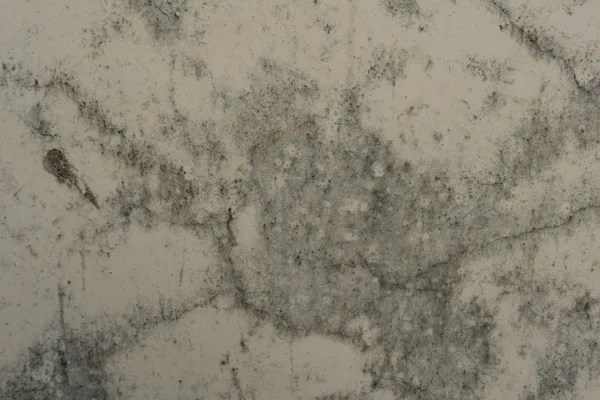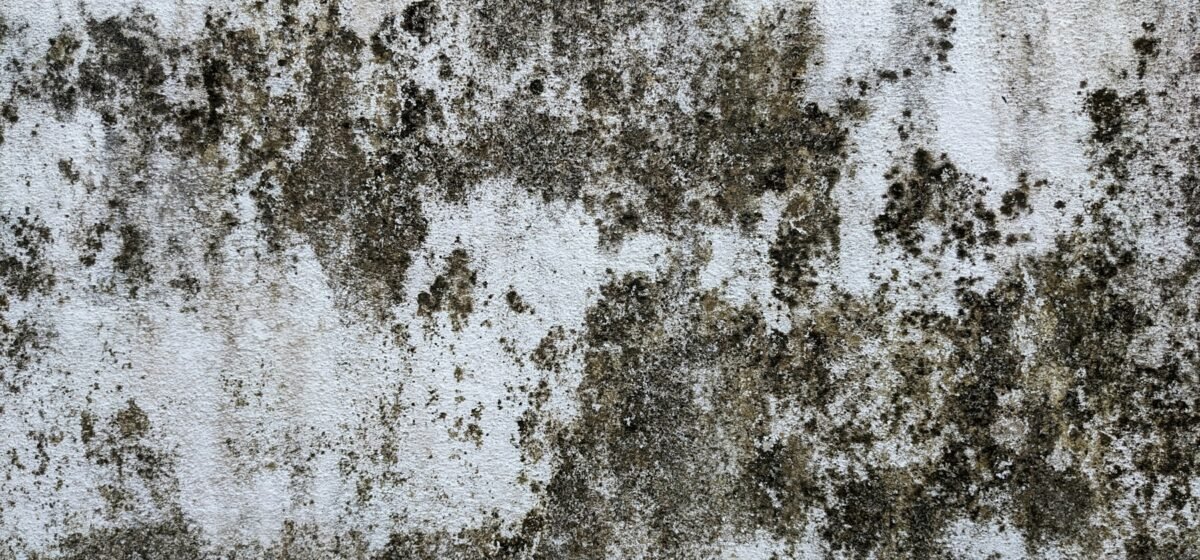
Black mould appears in London flats every winter, usually in the same places: the corner of a bedroom ceiling, the window reveals, the wall behind a wardrobe. It is unsightly, it affects breathing, and for tenants it raises the question of who has to fix it. This explainer covers what causes it, how to remove small patches safely, what the law now expects of landlords, and when the problem needs a damp specialist rather than another bottle of spray.
What black mould actually is
The dark speckled growth most people call black mould is a group of common fungi that colonise damp surfaces. They need two things: a food source, which paint, wallpaper paste and plaster dust provide, and sustained moisture. Relative humidity above about 60 per cent for days at a time is the point at which growth starts, and a cold wall in a warm, steamy room reaches that threshold easily.
Mould is a health hazard rather than a cosmetic one. The Housing Health and Safety Rating System, which councils use to inspect homes, treats damp and mould as a hazard they can enforce against. Spores irritate airways, and people with asthma, young children and older residents are most affected.
Why London flats grow black mould
Most mould in the capital is caused by condensation, not by water coming in from outside. A flat produces litres of water vapour a day from cooking, showering, breathing and drying washing on radiators. If that moisture has nowhere to go, it condenses on the coldest surfaces, and in London those are plentiful.
- Single-glazed sash windows in Victorian and Edwardian conversions, where the glass and reveals run cold all winter.
- Solid brick walls with no cavity, common across inner London, which lose heat quickly and sweat on the inside.
- Post-war council blocks with concrete panels and cold bridging at floor slabs and balcony edges.
- Flats above shops or restaurants, where ground floor extraction is poor and moisture rises through the building.
- Rooms that are shut up and unheated to save money, which cool below the dew point every night.
Leaks do happen too. A failed shower tray, a dripping overflow from the flat above or a blocked gutter can soak a wall and grow mould in a distinct patch. The difference matters because the fixes are different. Condensation mould is spread thinly across cold corners; leak damage is localised, often with a tide mark, and stays wet to the touch after a dry week.
Removing black mould safely
A patch smaller than about a square metre is a reasonable job to do yourself, provided nobody in the flat has a respiratory condition. Open the window, wear gloves and a disposable mask, and keep children out of the room.
- Wipe the growth with a cloth soaked in a proprietary mould remover or diluted household bleach. Do not brush it dry, which spreads spores.
- Rinse with clean water and dry the surface with a separate cloth. Bag both cloths and bin them.
- Leave the area to dry completely, with heating on and the window open, before redecorating.
- Repaint with an anti-mould paint, which contains a fungicide that slows regrowth for a year or two.
Removal treats the symptom. If the room is still cold and wet a month later, the mould will be back, and no paint will stop it for long. The lasting fix is managing moisture: heat steadily rather than in short bursts, run the extractor fan during and after showers, keep lids on pans, open trickle vents, and dry clothes outside or in a room with the door shut and a window open.
Landlord duties and Awaab’s Law
If you rent, you are not expected to live with it. Section 11 of the Landlord and Tenant Act 1985 obliges landlords to keep the structure and exterior in repair, which covers leaks, failed pointing and broken gutters. Where the mould comes from the building’s condition rather than how it is used, that duty applies.
Awaab’s Law, brought in by the Social Housing (Regulation) Act 2023, went further. From October 2025 social landlords in England must investigate reported damp and mould hazards within fixed timescales and make the property safe within set deadlines, with emergency hazards dealt with faster. The government has said similar duties will be extended to private landlords through the Renters’ Rights Act, so private tenants in London should report mould in writing and keep dated photographs. Guidance on Awaab’s Law is published on gov.uk, and if a landlord does nothing, the local council’s environmental health team can inspect under the Housing Health and Safety Rating System and serve notice.
Tenants also have obligations. Heating and ventilating the flat reasonably is part of using it in a tenant-like manner, and a landlord can fairly point to a bathroom fan switched off at the isolator or washing dried on every radiator.
When a damp specialist is worth the fee
Some situations are beyond cleaning and better habits. Mould that returns within weeks despite good ventilation, a wall that is wet to the touch, a musty smell with no visible source, or plaster that is blowing off in sheets all point to a building fault. A specialist survey, typically £150 to £350 in London and the south east, which run higher than the rest of the country, should identify whether you are dealing with condensation, a leak, penetrating damp through the walls or, more rarely in flats, rising damp at ground level.
Be wary of anyone who diagnoses rising damp from the doorway and sells a chemical injection the same afternoon. Our guide to choosing a damp specialist explains the questions to ask. Fixes range from a new extractor fan at £150 to £400 fitted, through positive input ventilation units at £400 to £900, to repointing that can run into thousands for a whole elevation. In a leasehold block the freeholder usually pays for the latter, so check your lease.
When to call a professional
Call for help when black mould covers more than a square metre, keeps returning, sits on a wall that stays wet, or affects anyone in the flat with a chest condition. Renters should report it in writing first so the landlord’s timescales under Awaab’s Law or the Landlord and Tenant Act start running.
Across London, our help desk reviews damp and mould enquiries, confirms availability and checks credentials before anything is agreed. It is free, and nothing is booked until the team confirms. Request help here.
Questions people ask
Is black mould dangerous to live with?
It can be. Mould spores irritate the airways and worsen asthma, and the Housing Health and Safety Rating System treats damp and mould as a hazard councils can enforce against. Healthy adults usually get a cough or sore eyes; babies, older people and anyone with a chest condition are at greater risk. Small patches cleaned promptly are low risk, but persistent growth should be reported and fixed.
Can I refuse to pay rent because of mould in my flat?
Withholding rent is risky and can lead to eviction proceedings, so it is not recommended. Report the mould in writing with photographs, give the landlord a reasonable time to respond, and if nothing happens contact your council's environmental health team or Shelter for advice. Compensation is sometimes available after the fact, but through proper channels rather than by stopping payments.
Does bleach kill black mould permanently?
No. Bleach or a mould remover kills the surface growth and lightens the stain, but spores remain in the plaster and regrow as soon as the wall is damp again. Permanent removal depends on keeping the surface dry: steady heating, working extractor fans, less moisture from drying clothes indoors, and repairs to any leak or cold bridge that is feeding the problem.
How long does a landlord have to fix mould under Awaab's Law?
For social landlords in England, from October 2025 the rules require damp and mould hazards to be investigated within fixed days of a report, with written findings and repairs completed within set timescales, and emergency hazards acted on within 24 hours. Private tenants are not yet covered, though the government has said the Renters' Rights Act will extend similar duties to them.
Ready to take the next step?
Tell the household desk what has happened, where you are and when you need help. We will review it and explain your options.
Describe your job →Guidance is general and refers to the authority that sets each rule. Costs are indicative ranges; always get written quotes. Trade availability and credentials are confirmed when you enquire.