Mice in a Woking flat, a wasp nest on a rented semi, black mould on damp walls in a town-centre apartment: the first argument is always about who pays. The question is landlord responsible for pest control has no single answer, because the law turns on what caused the problem and whether the property was in repair. This guide sets out the rules that apply in England, how they play out for the common pests, and what each side should do to avoid a dispute at the end of the tenancy.
Is landlord responsible for pest control? What the law says
Three things decide it. First, section 11 of the Landlord and Tenant Act 1985 obliges a landlord to keep the structure and exterior of the property in repair, along with installations for water, gas, electricity, heating and sanitation. If pests get in because of a disrepair, such as a hole in the wall, a broken air brick, a rotten door, a cracked drain or a leaking pipe, the landlord must fix the defect and, in practice, deal with the infestation it caused. Second, the Homes (Fitness for Human Habitation) Act 2018 requires rented homes in England to be fit for human habitation throughout the tenancy. Pest infestation and damp and mould are both among the hazards the courts consider, so a property with an established rat problem or persistent mould may be unfit regardless of who caused it. Third, the tenant’s own obligation to use the property in a tenant-like manner: keeping it reasonably clean, storing food properly, reporting problems promptly and not creating conditions that attract pests.
The practical rule that follows: if the pests arrived because of the building, the landlord pays; if they arrived because of how the property was lived in, the tenant may be liable; and if the property was infested at the start of the tenancy, that is the landlord’s problem whatever the cause.
Pest by pest
- Rats and mice. Nearly always a building issue: gaps, drains, roof voids. Landlord. Rat pest control requests should go to the landlord in writing first.
- Bed bugs. The hardest case. They travel in luggage and furniture. If the flat was let furnished and bugs were present at the start, landlord. If they arrive mid-tenancy, many landlords argue the tenant brought them; many tenancy agreements say so. Bed bug pest control is expensive and needs repeat visits, so the agreement wording matters.
- Wasps and bees. A nest in the structure, roof or garden is the landlord’s, as it is part of the exterior.
- Ants, fleas and cockroaches. Fleas usually follow a tenant’s pet, so tenant. Cockroaches in a block often come through shared ducts and are the landlord’s or the freeholder’s. Ants depend on whether they are nesting in the structure.
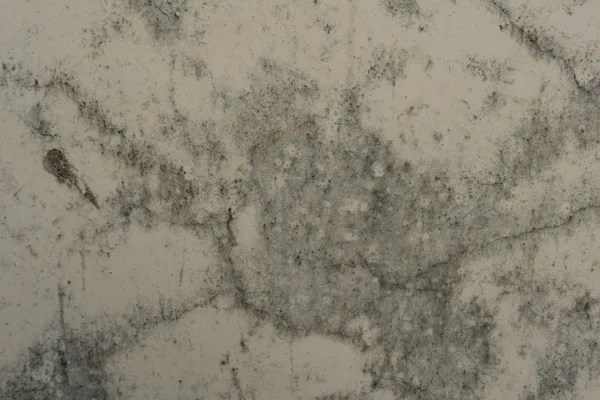
- Damp and mould. If caused by disrepair (leaks, failed damp proof course, penetrating damp), landlord. If caused purely by drying washing indoors with windows shut and extractor fans switched off, the tenant shares responsibility, but a landlord who has not provided working ventilation will struggle to make that argument. Since October 2025 social landlords in England must investigate and fix damp and mould within fixed timescales under Awaab’s Law, and the Renters’ Rights Act 2025 provides for similar duties to be extended to private tenancies as its provisions are brought into force; check GOV.UK for the current position.
What is different in Woking
Woking’s rental stock splits into two kinds of property with different pest patterns. The 1930s and post-war semis and terraces in Maybury, Sheerwater, Knaphill and Horsell have gardens, suspended floors, old drains and roof voids, which means rats, mice and wasps, and the usual cause is a maintenance defect the landlord is responsible for. The newer town-centre apartment blocks around the station bring different problems: bed bugs introduced through furnished lets and short stays, ants and cockroaches moving through service risers, and condensation mould in well-sealed flats where extractor fans are weak or switched off. In a block, the freeholder or managing agent often has to treat the common parts, and a landlord of one flat cannot solve a building-wide problem alone. Woking Borough Council publishes whether it offers a treatment service, so the question how much do the council charge for pest control is answered on its website; its private sector housing team can inspect a rented home and require a landlord to act where it finds a hazard.
Deposits and disputes
At the end of a tenancy, a landlord can only deduct for damage beyond fair wear and tear and for breaches of the agreement, and the deposit must be in a government-approved scheme whose dispute service decides contested claims. A landlord claiming the cost of pest treatment from a deposit needs evidence that the tenant caused the problem: inventory photographs, dated reports, a technician’s written finding on the likely source. A tenant resisting such a claim needs their own record: the date they first reported the problem, the landlord’s response, photographs. Both sides are far better off with written reports to the landlord or agent from the first sighting. Citizens Advice publishes guidance on repairs and deposit disputes.
When to call a professional
Whoever pays, the work should be done by a technician holding RSPH or BPCA qualifications; local pest control firms that are BPCA members can be found through its register. Rodent-chewed cables need a registered electrician. Damp investigations in homes built before 2000 should take account of possible asbestos before plaster is disturbed. Any contaminated insulation or carcasses must leave with a waste carrier registered with the Environment Agency.
Taking the next step
Tenants: report in writing and keep a copy. Landlords: respond promptly, get a professional diagnosis of the cause and keep the report. If either side wants help finding pest control in Woking for a rented home, describe the property, the pest and the tenancy position to The Household Daily’s help desk and we will help you take the next step.
Questions people ask
Is landlord responsible for pest control if mice get in through a gap?
Yes. Gaps, broken air bricks, damaged doors and defective drains are structure and exterior, which the landlord must keep in repair under section 11 of the Landlord and Tenant Act 1985. The landlord should fix the defect and arrange treatment.
Who pays for bed bugs in a Woking flat?
If the flat was let furnished and the bugs were present at the start, the landlord. If they arrive mid-tenancy, the landlord may argue the tenant introduced them, and many agreements say so. Check the tenancy agreement and keep dated records of when the problem was first noticed and reported.
Can my landlord deduct pest control from my deposit?
Only with evidence that you caused the problem or breached the agreement. Deposits must be protected in an approved scheme and disputes go to its free adjudication service. Keep your written reports and photographs.
What can Woking Borough Council do if my landlord ignores rats or mould?
The council's private sector housing team can inspect under the Housing Act 2004 and serve notice requiring the landlord to remove a hazard. Report to the landlord in writing first and keep copies, then contact the council if nothing happens.
Ready to take the next step?
Tell the household desk what has happened, where you are and when you need help. We will review it and explain your options.
Describe your job →Guidance is general and refers to the authority that sets each rule. Costs are indicative ranges; always get written quotes. Trade availability and credentials are confirmed when you enquire.